The accuracy of rapid diagnostic tests (RDTs) is crucial for global buyers in healthcare markets. Understanding how accurate are rapid diagnostic tests helps assess their effectiveness in various settings. Many countries depend on RDTs for quick disease detection. However, the quality and reliability of these tests can vary significantly.
Factors such as manufacturing standards and regulatory oversight affect accuracy. Some tests may yield false positives or negatives, impacting patient care. Buyers must navigate this complex landscape, aware that not all RDTs perform equally well.
Health professionals often question the reliability of these tests. They seek data to support claims of accuracy. Recognizing limitations in RDTs is essential for informed decision-making. Awareness and scrutiny can enhance the overall efficiency of diagnostic processes worldwide.
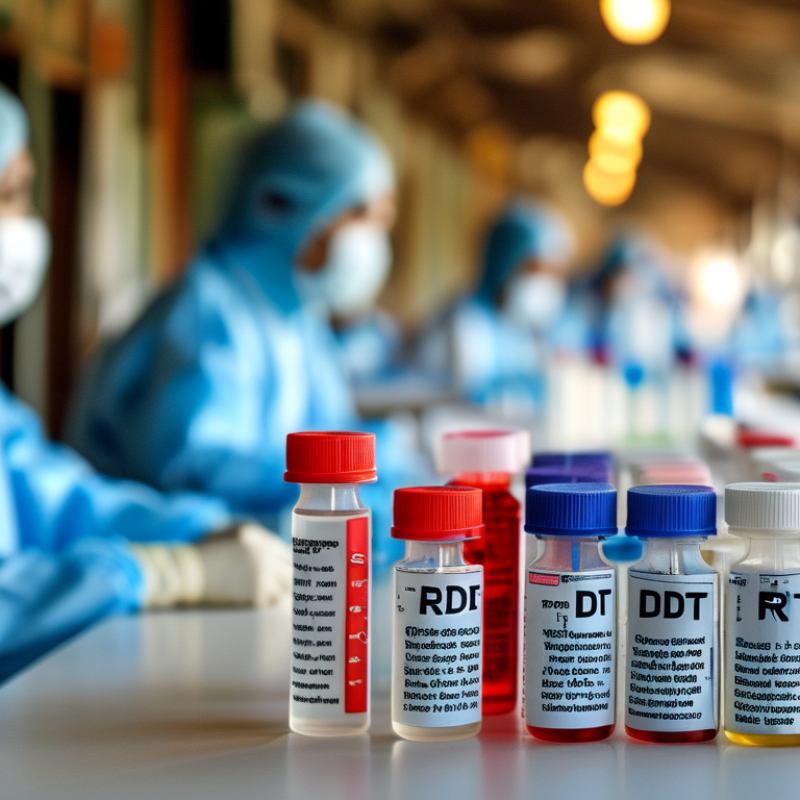
Rapid diagnostic tests (RDTs) have transformed healthcare, providing quick results and facilitating timely decisions. However, their accuracy can vary significantly across different markets. A recent report by the World Health Organization (WHO) indicated that while many RDTs boast sensitivity rates above 90%, actual performance can dip below this threshold in real-world settings. Factors such as storage conditions and user expertise can all impact results.
In low-resource settings, accuracy is often compromised. Studies reveal that some tests yield false negatives in up to 30% of cases. This is concerning when critical diseases are at stake. For instance, malaria RDTs show varying accuracy, with some regions reporting as low as 70% sensitivity. Market buyers must understand the limitations of these tests before implementation. Accurate identification of RDTs is crucial, especially in global markets where disease prevalence can differ.
Furthermore, the regulatory landscape surrounding RDTs is inconsistent. A fragmented approach can lead to the circulation of subpar tests. Stakeholders must prioritize rigorous evaluation protocols. Ensuring high-quality standards is essential for maintaining trust in rapid diagnostics, and buyers should demand transparency on test accuracy. A more informed approach will foster better health outcomes globally.
| Test Type | Sensitivity (%) | Specificity (%) | Average Cost (USD) | Market Availability |
|---|---|---|---|---|
| Antigen Test | 85 | 90 | 10 | Widely Available |
| PCR Test | 95 | 98 | 50 | Limited Availability |
| Serology Test | 80 | 85 | 15 | Moderately Available |
| Lateral Flow Test | 75 | 80 | 5 | Widely Available |
| Nucleic Acid Test | 90 | 95 | 70 | Limited Availability |
: RDTs are medical tests that provide quick results for various health conditions, improving decision-making in care.
The accuracy of RDTs can significantly vary, with some reporting sensitivity below 90% in practice.
Factors like storage conditions and the expertise of users can impact the accuracy of RDTs.
In some cases, RDTs can yield false negatives in up to 30% of tests, posing risks for critical diseases.
Buyers must understand limitations and demand transparency regarding the accuracy of tests before implementation.
Proper training for healthcare professionals is essential; misinterpretation of results can lead to negative outcomes.
Logistical issues and lack of follow-up care can hinder effective test deployment, despite high test sensitivity.
Engaging locals in education and awareness can build trust, enhancing the acceptance of RDTs.
Regularly assessing local healthcare systems helps identify gaps that may affect the successful implementation of RDTs.
The circulation of low-quality tests can undermine trust and impact health outcomes, making rigorous evaluation crucial.
The article "How Accurate Are Rapid Diagnostic Tests for Global Buyers?" delves into the critical evaluation of rapid diagnostic tests (RDTs) in various global markets. It highlights the essential metrics—sensitivity and specificity—that are pivotal in assessing the accuracy of these tests. The discussion also uncovers the significant regional variability in test performance, prompting buyers to consider local factors that may influence accuracy. Additionally, the article examines the role of regulatory standards in shaping the reliability and adoption of RDTs, indicating that adherence to stringent regulations can enhance public trust and usability.
Furthermore, the article presents case studies that illustrate both successful implementations and the challenges faced in deploying rapid diagnostic tests. By exploring these real-world examples, readers gain a comprehensive understanding of how accurate these rapid diagnostic tests can be and the various factors that impact their effectiveness in diverse settings.

 Medvok Medical