In today's healthcare landscape, automated diagnostic systems have emerged as powerful tools. These systems leverage advanced technology to improve patient outcomes. Many professionals ask, what are the benefits of automated diagnostic systems? The answer lies in their ability to increase efficiency, enhance accuracy, and reduce costs.
Automated diagnostic systems streamline processes. They significantly cut down the time required for diagnosis, allowing healthcare providers to focus on patient care. Additionally, these systems minimize human error, which is a critical aspect in clinical settings. However, reliance on technology can also introduce challenges. Dependence on automated systems may lead to oversights if professionals do not verify results.
Furthermore, the cost-effectiveness of automated diagnostic systems can revolutionize how healthcare facilities operate. By reducing diagnostic errors, these systems lower the need for repeat tests. Yet, striking the right balance between technology and human intuition remains essential. The implementation of these systems is not without its concerns, emphasizing the need for continuous evaluation and adjustment.
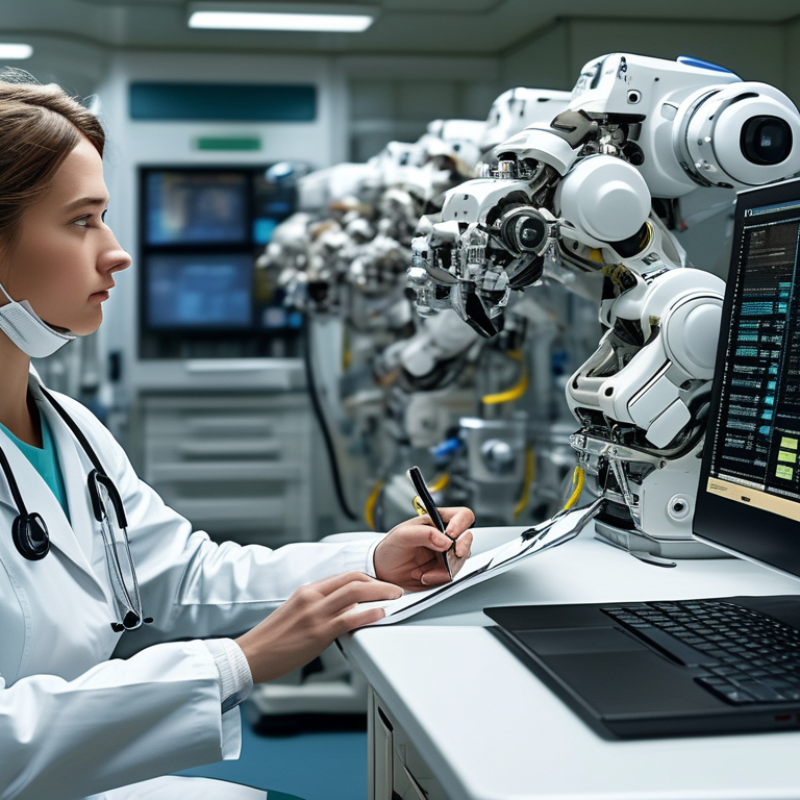
Automated diagnostic systems are transforming healthcare efficiency. These systems reduce the burden on healthcare professionals by streamlining the diagnostic process. When a patient presents symptoms, the system analyzes data swiftly. This allows for quicker identification of potential conditions. In a busy hospital environment, time is critical. A faster diagnosis can lead to timely treatment, ultimately improving patient outcomes.
Despite these benefits, some challenges exist. Implementation of such systems requires significant training. Healthcare professionals must adapt to new technologies. This transition can cause initial frustration. Additionally, there is a reliance on technology that poses risks. If systems fail or provide incorrect information, it can lead to severe consequences. Continuous evaluation and reflection on these systems are necessary to ensure their reliability and effectiveness.
Furthermore, the systems must integrate seamlessly with existing healthcare workflows. A disjointed process can negate the advantages. Patient data security is another concern. With automation comes the responsibility to protect sensitive information. Addressing these issues is vital to maximize benefits while minimizing risks. The journey towards fully automated diagnostics is a complex one, warranting careful consideration and ongoing dialogue within the healthcare community.
Automated diagnostic systems bring a transformative change to the medical field. One of the primary benefits is the reduction of human error. Traditional diagnosis relies heavily on human judgment, which can be flawed due to stress or fatigue. Automation eliminates many of the variables that lead to mistakes, creating a more reliable diagnostic process. Errors in crucial moments can result in serious consequences for patients. With automated systems, the chance of misdiagnosis decreases significantly.
Incorporating automated diagnostic tools can enhance decision-making. These systems analyze vast amounts of data quickly and accurately, providing healthcare professionals with insights that humans might overlook. This boosts confidence in the diagnoses and treatment plans suggested by the systems. However, it’s crucial to recognize that these tools are not infallible. Continuous training and updates to the algorithms are necessary to ensure they remain effective.
When considering automation, prioritize systems with robust support and user-friendly interfaces. Regularly review the output for accuracy and bias. This can help maintain the system's reliability and efficacy. Engaging with the technology through ongoing education enhances user skills. Be mindful that while automated systems are powerful, they should complement, not replace, human expertise.
Automated diagnostic systems are reshaping patient care. Timely diagnostics lead to better outcomes, as data shows a 20% reduction in mortality rates when diagnoses are fast-tracked. For instance, studies highlight that a delay in diagnosis can worsen conditions, increasing hospital stays by an average of three days. While automation speeds up this process, it raises the need for human oversight.
Patients experience improved satisfaction with quicker results. Research indicates that 80% of patients prefer automated reports over manual interpretations. This shift enhances transparency and builds trust. However, it is crucial to reflect on the importance of balancing technology with clinical judgment. Automated systems are not infallible, and errors can occur. Acknowledging these imperfections is vital for patient safety.
In the realm of diagnostics, the integration of automation is an ongoing journey. While advancements offer undeniable benefits, gaps in accuracy must be addressed. Continuous training and updates for both machines and staff are essential. As healthcare evolves, the focus should remain on improving outcomes while ensuring reliability in every automated process. As automation improves diagnostics, the ultimate goal is to enhance the human experience in medical care.
Automated diagnostic systems have significantly changed the landscape of diagnostic laboratories. Their cost-effectiveness is particularly noteworthy. By reducing the need for manual labor, these systems help labs lower staffing costs. This efficiency allows laboratories to allocate funds to other essential areas, such as research and technology improvements.
Moreover, automated systems minimize human error. This leads to more accurate test results and reduces the risk of costly mistakes. Fewer errors also mean fewer repeat tests, which saves time and resources. However, there is a need for continuous training. Staff must be familiar with both the technology and its limitations.
While automated systems offer remarkable advantages, they are not flawless. Initial setup costs can be significant. Labs need to weigh these upfront costs against long-term savings. It’s essential to monitor the performance of automation to ensure that it consistently meets quality standards. Regular assessments can help identify areas for improvement, enhancing overall efficiency.
Automated diagnostic systems are transforming healthcare. They leverage big data for improved accuracy. By analyzing vast amounts of patient information, these systems identify patterns undetectable by human experts. This enhances decision-making and reduces diagnostic errors. Moreover, they can manage real-time data from multiple sources, ensuring that clinical professionals have the most current information.
Incorporating big data into diagnostics can raise questions. Relying solely on automated outputs may overlook the human touch. Healthcare is as much about empathy as accuracy. Clinicians must review automated suggestions critically. This mix of technology and personal expertise may produce the best outcomes.
Utilizing automated systems requires a strategic approach. Start by ensuring data integrity. Poor data quality can lead to errors in diagnosis. Training the healthcare team on interpreting automated results is crucial. Ensuring clear communication between systems and staff builds trust. This encourages a collaborative atmosphere where technology supports rather than replaces human expertise.
: Timely diagnostics from these systems can reduce mortality rates by 20%. Faster diagnoses lead to better patient outcomes.
Around 80% of patients prefer automated reports over manual interpretations. Quicker results enhance transparency and build trust.
No, errors can occur in automated systems. It’s important to balance technology with human clinical judgment for safety.
Big data helps identify undetectable patterns in patient information. It enhances accuracy and reduces diagnostic errors.
Initial setup costs can be high. Labs must consider these costs against potential long-term savings and benefits.
Staff need to be familiar with technology and its limitations. Ongoing training helps ensure accurate use of automated systems.
Poor data quality can lead to diagnostic errors. Ensuring data integrity is crucial for reliable outcomes in automated systems.
Regular assessments identify performance gaps. They help maintain quality standards and enhance overall lab efficiency.
Clinicians should critically review automated suggestions. This collaboration promotes better patient care through technology and empathy.
While automation offers benefits, acknowledging its imperfections is vital. Balancing technology with human expertise is essential for safety.
Automated diagnostic systems are revolutionizing healthcare by significantly enhancing efficiency and accuracy. One of the primary benefits of automated diagnostic systems is their ability to streamline processes, which reduces the time taken for diagnoses and subsequently improves patient outcomes. By minimizing human error through automation, these systems mitigate the risks associated with manual diagnostics, leading to more reliable results.
Another key advantage is the cost-effectiveness of automated systems in diagnostic laboratories. They reduce labor costs and resource expenditure while increasing throughput. Furthermore, the integration of big data allows for enhanced accuracy, as patterns can be analyzed more rapidly than ever before. In summary, when considering what are the benefits of automated diagnostic systems, it becomes evident that they provide a comprehensive solution to improve healthcare delivery.

Medvok Medical