Ensuring Safety in Medical Testing Environments Best Practices?

Time:2026-06-29 Author:Amelia
0%

In the realm of healthcare, safety in medical testing environments is paramount. This involves various elements that require keen attention and implementation of best practices. Understanding how to ensure safety in medical testing environments is crucial for protecting both patients and healthcare staff.

Medical testing can involve numerous risks. These include exposure to harmful substances, equipment malfunctions, and procedural errors. Each of these risks poses potential threats. Therefore, maintaining a safe environment demands a comprehensive approach. Staff training and awareness are key factors that can’t be overlooked. Regular drills and updates create a culture of safety that is essential for effective testing.

While many facilities strive for optimal safety, challenges persist. Equipment may not always function correctly. Staff might not remember protocols under pressure. Continuous evaluation and proactive adjustments are necessary to enhance safety standards. Acknowledging these imperfections is the first step toward improvement. Engaging all stakeholders in discussions about safety can lead to innovative solutions.
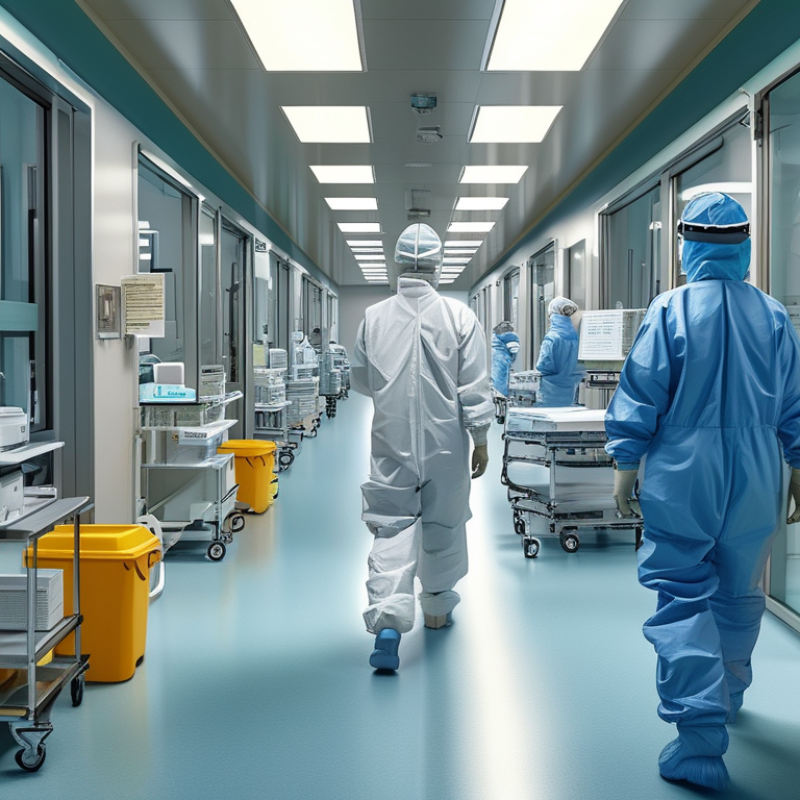
Ensuring Safety in Medical Testing Environments Best Practices?

Best Practices for Safety in Medical Testing Facilities

In medical testing facilities, ensuring safety is paramount. According to the World Health Organization, about 66% of adverse events in healthcare are preventable. Hence, implementing best practices is crucial for protecting both patients and staff.

A fundamental practice is regular training for all personnel. Staff should be updated on safety protocols quarterly. This decreases the likelihood of accidents. Encourage open discussions about safety concerns. A culture of transparency leads to fewer errors, as reported by the Institute for Healthcare Improvement.

Tips: Always inspect equipment before use. Unchecked machines can lead to severe incidents. Limit access to testing areas to authorized personnel only. This minimizes risks and enhances security. Regular audits can identify potential hazards. These steps contribute significantly to a safer testing environment.

Identifying Common Hazards in Medical Testing Environments

In medical testing environments, identifying common hazards is crucial for ensuring safety. One significant hazard is biological exposure. Lab personnel may come into contact with pathogens. Proper precautions, like using personal protective equipment, are essential. Yet, some staff may overlook this, putting themselves at risk.

Another common hazard is chemical exposure. In labs, reagents and solvents may be toxic. It's not uncommon for employees to mishandle these substances. Training sessions on safe handling can mitigate these risks. However, the challenge remains in ensuring all staff adhere to safety protocols consistently.

Physical hazards also exist. This includes slips and falls within testing facilities. Cluttered workspaces can lead to accidents. Regular inspections and proper storage practices help reduce these risks. Yet, even with the best practices, complacency can set in, bringing serious consequences. Continuous awareness and training are vital to foster a safe working atmosphere.

Identifying Common Hazards in Medical Testing Environments

Implementing Effective Safety Protocols and Procedures

In medical testing environments, safety is paramount. Implementing effective safety protocols and procedures helps protect both patients and staff. Clear guidelines should be crafted to ensure everyone understands their roles and responsibilities. Regular training sessions are vital. These sessions reinforce safety measures and address updates in practices.

Facility layout also plays a crucial role in maintaining safety. Proper signage directs individuals to the right areas. Emergency exits must be clearly marked and unobstructed. Equipment should be organized to prevent accidents. Creating a calm and efficient workspace reduces the likelihood of errors occurring.

Sometimes, protocols fall short. Regular audits help identify gaps in safety measures. Open communication encourages staff to report near misses. Reflecting on incidents enables teams to improve. It’s essential to engage everyone in the journey toward safety. Encouragement fosters a culture of vigilance. Every voice matters in creating a secure testing environment.

Training Staff on Safety Measures and Emergency Response

Training staff on safety measures is crucial in medical testing environments. Knowledgeable personnel can effectively manage risks and respond to emergencies. Regular training sessions keep everyone informed. These sessions should include hands-on practice with equipment. Simulation scenarios can prepare staff for real-life situations. Practical drills enhance retention and build confidence.

Emergency response training is equally important. Staff must know evacuation routes and emergency contacts. Role-playing can help staff react quickly. They also need to understand the specific hazards in their work area. This includes biological risks and chemical safety protocols. Missed training sessions can lead to gaps in knowledge. Overlooking refresher courses leaves staff unprepared.

Feedback is essential for improvement. After training, staff should discuss what went well and what didn't. This reflection can highlight areas for growth. Engaging staff in the training process fosters a culture of safety. Encouraging questions and concerns strengthens understanding. Regular evaluations can ensure the training remains relevant and effective.

Regularly Assessing and Updating Safety Standards in Testing Labs

Regular assessment and updating of safety standards in medical testing labs is crucial. Every lab faces unique challenges, but all share a common goal: ensuring safety for personnel and patients. A safety audit should be conducted routinely, examining equipment, protocols, and chemical handling procedures. This helps identify potential hazards and areas needing improvement.

Moreover, engaging staff in safety discussions fosters a culture of awareness. Training sessions can spotlight new regulations or technologies that enhance safety. Regular feedback from staff can reveal overlooked issues, providing an opportunity for growth. Labs must not only comply with existing standards but also innovate and adapt.

It’s important to remember that safety is not static. As technology evolves, so do the risks. Frequent updates to safety protocols ensure that best practices are always in place. While striving for excellence, labs may find inconsistencies or outdated practices. This ongoing reflection is key to maintaining a safe testing environment. Emphasizing safety is not just about compliance; it’s about creating a proactive mindset that prioritizes well-being at all times.

Ensuring Safety in Medical Testing Environments Best Practices? - Regularly Assessing and Updating Safety Standards in Testing Labs

Safety Standard Frequency of Assessment Last Updated Responsible Personnel Status
Chemical Safety Protocols Quarterly 2023-07-15 Lab Manager Active
Biological Safety Guidelines Biannually 2023-05-10 Safety Officer Updated
Equipment Maintenance Procedures Monthly 2023-10-01 Technician Team Active
Emergency Response Plan Annually 2023-09-20 Emergency Coordinator Pending Review
Data Handling and Privacy Guidelines Semiannually 2023-06-25 Data Protection Officer Active

FAQS

: What is a common hazard in medical testing labs?

: Biological exposure is a significant hazard. Personnel may accidentally come into contact with pathogens.

How can chemical hazards be managed?

Proper training on handling toxic substances is essential. Yet, not all employees follow safety protocols.

What leads to physical hazards in testing environments?

Slips and falls often happen due to cluttered workspaces. Regular inspections can help prevent these accidents.

Why are safety protocols important?

Effective safety protocols protect both patients and staff. Everyone must clearly understand their roles.

How can complacency affect safety?

Complacency can lead to serious consequences. Continuous training and awareness are crucial to counter this risk.

What can be done if safety protocols are lacking?

Regular audits help find gaps in safety measures. Open communication allows staff to report issues.

Why is facility layout important for safety?

A well-organized layout and clear signage prevent accidents. Emergency exits should always be marked and accessible.

How can staff contribute to a safe environment?

Engagement and open discussions foster a safety culture. Every team member's input is valuable for improvement.

Conclusion

Ensuring safety in medical testing environments is crucial for protecting both staff and patients. Best practices involve identifying common hazards unique to these facilities, such as biological, chemical, and physical risks. Implementing effective safety protocols and procedures is essential for mitigating these hazards, ensuring that all processes comply with established safety standards.

Moreover, training staff on safety measures and emergency response plays a key role in fostering a culture of safety. Regular assessments and updates to safety protocols are necessary to adapt to evolving standards and innovations in medical testing. By focusing on these areas, facilities can enhance safety and reduce the risk of incidents, demonstrating how to ensure safety in medical testing environments effectively.

Amelia

Amelia

Amelia is a seasoned marketing professional with a wealth of expertise in our company’s core offerings. With an unwavering passion for driving growth and innovation, she plays a pivotal role in shaping our marketing strategies and enhancing brand visibility. A key aspect of her responsibilities......