In the rapidly evolving field of medical diagnostics, understanding what are the regulatory requirements for diagnostic equipment is vital. These regulations ensure that devices are safe, effective, and reliable for healthcare professionals and patients alike. China's regulatory landscape is particularly complex due to its stringent standards and oversight.
Navigating the top regulatory requirements can be daunting. Manufacturers must be aware of certification processes, quality control measures, and post-market surveillance obligations. For instance, the China Food and Drug Administration (CFDA) mandates rigorous testing of diagnostic devices before they reach the market. This emphasis on thorough evaluation can delay product launches but ultimately enhances patient safety.
Moreover, staying compliant with these regulations requires ongoing education and adaptation. Organizations must continually monitor changes in policies and incorporate them into their practices. This can be a challenge, as the regulatory environment is ever-changing. Companies must strike a balance between innovation and adherence to regulations, reflecting the need for both creativity and caution in the development of diagnostic technologies.
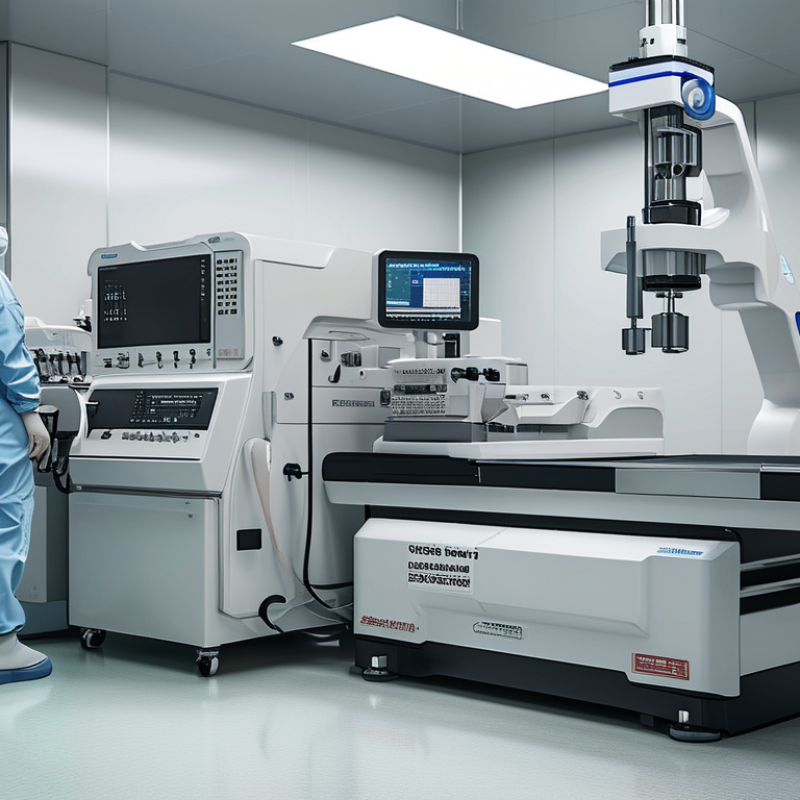
Overview of China’s Regulatory Framework for Diagnostic Equipment
China has a complex regulatory framework for diagnostic equipment, crucial for ensuring safety and efficacy. The National Medical Products Administration (NMPA) oversees these regulations. They require extensive documentation, including clinical trial data and equipment specifications. This process can be lengthy and demands precision.
Importantly, understanding the specific requirements can be challenging for foreign manufacturers. Each category of diagnostic equipment has unique protocols. For instance, in vitro diagnostic devices must go through stringent evaluations. This includes both pre-market assessments and post-market surveillance. Adhering to these guidelines is vital for market entry.
Furthermore, regulatory changes often occur, requiring continuous learning. Companies might face unexpected hurdles during registration. They should stay updated on local regulations, which can be intricate and fluctuate. Close collaboration with local experts can mitigate risks. Navigating this landscape demands both diligence and a willingness to adapt.
Key Regulatory Authorities Governing Diagnostic Equipment in China
In China, several key regulatory authorities oversee diagnostic equipment. The National Medical Products Administration (NMPA) is the primary body responsible for regulating medical devices. They set requirements for product registration and safety assessments. The NMPA also ensures compliance with the country's stringent health standards.
Another critical authority is the Ministry of Health. They focus on the implementation of policies related to public health. Their regulations impact how diagnostic equipment is utilized within healthcare settings. Ensuring that products meet these guidelines is essential for market access.
It is important to note that compliance can be complex. Manufacturers may find navigating the regulatory landscape challenging. Uncertainties can arise during the approval process. Sometimes guidelines change, leading to confusion. Companies must stay informed and be proactive in understanding these requirements to avoid delays.
China Top 10 Regulatory Requirements for Diagnostic Equipment
Essential Registration Processes for Diagnostic Equipment in China
Navigating the registration processes for diagnostic equipment in China is intricate. Companies must adhere to strict regulations ensuring quality and safety. The first step is to prepare a comprehensive application, including technical documentation and clinical evaluations. This documentation must prove the device's efficacy and safety in real-world settings.
Tips: Engage local consultants. They understand unique regional requirements and can expedite processes. Their insights save time. Local knowledge is invaluable.
Next, the application undergoes review by the National Medical Products Administration (NMPA). They check compliance with national standards. Expect to provide all necessary data to support your claims. Lack of clarity can lead to rejection.
Tips: Create a checklist of required documents. Staying organized helps prevent missed submissions. Consistency in documentation builds trust with regulators.
Finally, post-registration obligations include continuous monitoring. After approval, companies must ensure ongoing compliance with evolving regulations. The landscape for diagnostic equipment is continually changing. Awareness and adaptability are crucial.
Tips: Regularly update your knowledge. Attend workshops and engage in industry forums. Networking enhances understanding of regulatory updates.
China Top 10 Regulatory Requirements for Diagnostic Equipment
| Requirement |
Description |
Regulatory Body |
Documentation Required |
| Medical Device Registration |
Mandatory registration for all diagnostic equipment. |
NMPA |
Application form, product documents, and clinical data. |
| Quality Management System Certification |
Compliance with ISO 13485 is required. |
NMPA |
QMS documentation and audit reports. |
| Clinical Evaluation |
Evidence of product safety and effectiveness. |
NMPA |
Clinical trial data and reports. |
| Labeling Requirements |
Labels must meet specific standards including language and content. |
NMPA |
Label samples and documentation. |
| Post-market Surveillance |
Monitoring of product performance after market release. |
NMPA |
Surveillance plans and reports. |
| Safety and Risk Management |
Assessment of potential risks associated with the product. |
NMPA |
Risk management report and documentation. |
| Inspection and Testing |
Mandatory testing for performance and safety standards. |
NMPA |
Testing reports and certifications. |
| Distribution License |
Required for lawful distribution within China. |
NMPA |
Application and proof of compliance. |
| Product Recall Procedures |
Established protocols for product recalls if necessary. |
NMPA |
Recall plan and communication strategies. |
Compliance Standards for Quality and Safety in Diagnostic Equipment
Diagnostic equipment plays a critical role in modern healthcare. Ensuring that this equipment meets compliance standards is essential for quality and safety. In China, regulatory requirements are stringent. Manufacturers must navigate a complex landscape to achieve compliance. Key areas include safety, efficacy, and user accessibility. Each piece of diagnostic equipment must undergo rigorous testing. Evaluations should cover design, manufacturing processes, and intended use.
Quality management systems are also vital. They guide the development and manufacturing stages. Adhering to national standards can be challenging. Documentation must be precise and thorough. Every test result requires clear reporting. Many manufacturers find it difficult to maintain consistently high standards. There can be gaps in knowledge and practice, leading to compliance challenges.
Manufacturers must stay updated on evolving regulations. Continuous education is critical for all involved. Implementing robust training programs can help bridge knowledge gaps. Innovation should not compromise safety or quality. Balancing efficiency with regulatory compliance remains a constant challenge in the industry. A proactive approach can address potential shortcomings.
Post-Market Surveillance and Reporting Obligations in China
Post-market surveillance (PMS) is vital for diagnostic equipment in China.
It ensures products remain safe and effective after they enter the market.
Manufacturers must continuously monitor device performance. They should collect data on adverse events and any product shortcomings.
A robust PMS system helps identify potential issues early, reducing risks to patients.
Reporting obligations are strict in China. Companies must report adverse events within specified time frames.
Delays or inadequate reporting can lead to severe penalties.
Manufacturers need to maintain detailed records of complaints and investigations. Providing timely updates to regulatory authorities is essential for compliance.
Tip: Regularly review your PMS processes. Ensure staff are trained on reporting protocols.
Foster an open culture where employees feel empowered to report issues without fear. It enhances safety and improves product reliability.
Having a clear strategy for post-market activities is necessary.
Businesses sometimes overlook the importance of PMS. Neglecting this can lead to significant challenges down the line.
Review your practices; they should evolve with the regulatory landscape. Adaptability can be your strongest asset in the dynamic healthcare market.
Conclusion
In navigating the landscape of diagnostic equipment in China, understanding what are the regulatory requirements for diagnostic equipment is crucial for compliance and market entry. The regulatory framework encompasses oversight from key authorities that govern the approval and registration of such devices, ensuring that they meet essential safety and quality standards. Manufacturers must familiarize themselves with the registration processes, which include detailed submissions and evaluations by the regulatory bodies.
Furthermore, compliance with established safety and quality standards is mandatory, ensuring that the products not only function correctly but also protect public health. After market introduction, surveillance and reporting obligations require continuous monitoring of the equipment's performance and quick reporting of any adverse events. Overall, adherence to these regulatory requirements is vital for successful market operations of diagnostic equipment in China.

 Medvok Medical