In the medical field, reliable diagnostic equipment is vital. Choosing the right suppliers can impact patient care. Understanding how to choose reliable diagnostic equipment suppliers is essential for healthcare providers.
Look for experienced suppliers with a solid track record. Their expertise in the field lends credibility. Trust is built over time. Also, consider suppliers who provide transparent information. This fosters a reliable partnership.
Be cautious, though. Not all suppliers meet high standards. Reviews can guide your choices, but be wary of biased feedback. Keep an open mind and research thoroughly. Engaging with multiple suppliers can reveal strengths and weaknesses. Aim for clarity in your decisions, balancing both cost and quality.
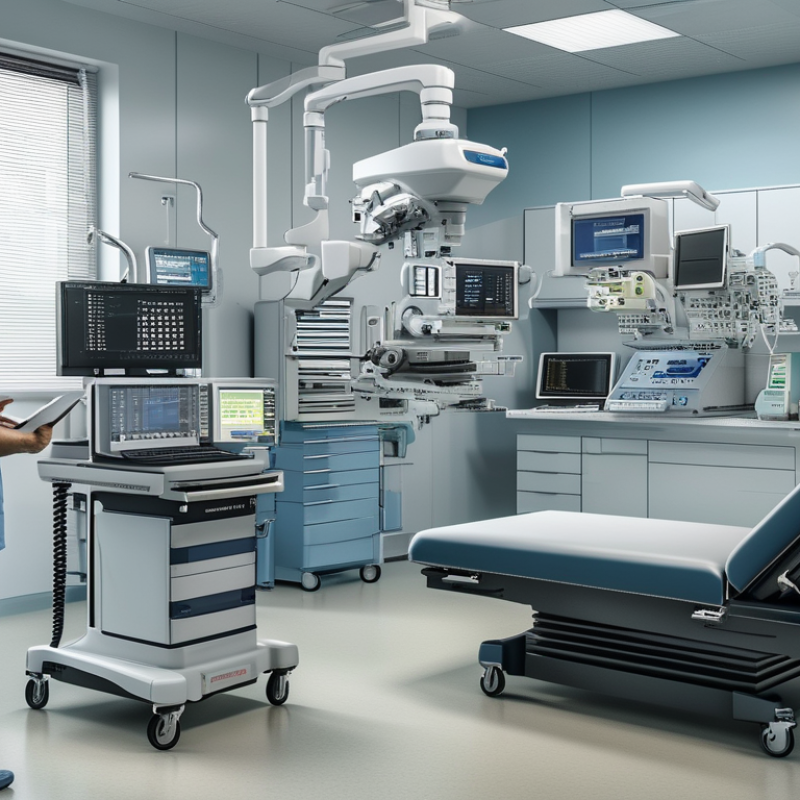
Selecting reliable diagnostic equipment suppliers involves several critical factors. Firstly, assess the supplier's experience in the industry. Years of service often translate into a deeper understanding of equipment and customer needs. A reputable supplier should have a track record of success. They should provide references from healthcare professionals who have used their equipment. This feedback can offer insights into reliability and performance.
Evaluate the quality of the products offered. Reliable suppliers invest in high-quality diagnostic tools, ensuring accuracy and efficiency. Look for certifications that demonstrate adherence to industry standards. Moreover, it's essential to check warranty and support terms. An effective supplier should provide robust after-sales service, including technical support. This support can make a significant difference in the longevity of the equipment.
Don't overlook the importance of communication. A supplier who actively engages and responds promptly indicates a commitment to customer service. Consider their willingness to customize solutions for your specific needs. Suppliers should be adaptable, yet some might stick rigidly to standard offerings. Such inflexibility can create issues later. Reflecting on these details can guide you to a more informed choice.
When selecting a reliable diagnostic equipment supplier, assessing their credentials and industry experience is crucial. According to a recent industry report by Research and Markets, the global diagnostic equipment market is projected to reach $72 billion by 2026. Such growth underscores the importance of establishing relationships with experienced suppliers who understand the trends and complexities of this evolving field.
Tips: Always verify supplier certifications and compliance with quality standards like ISO 13485. Look for suppliers that demonstrate consistent engagement with regulatory changes.
Examine the supplier's track record in the industry. A company with over 15 years of experience is likely more adept at navigating challenges. In addition, check references. Feedback from other customers can provide insights into the supplier's reliability and service quality.
Stay cautious, however. Just because a supplier has been in business for a long time does not guarantee quality. Assess their innovations and adaptations in response to technological advancements. An experienced supplier should exhibit continuous improvement in their equipment and services. It’s vital to ensure they evolve with industry needs.
When selecting diagnostic equipment suppliers, assessing their product quality is paramount. Reliable suppliers often adhere to stringent industry standards. According to the FDA, 70% of medical device recalls are due to quality issues. This raises concerns about the reliability of suppliers. Ensuring compliance with relevant certification, such as ISO 13485, is crucial. This standard emphasizes a high level of quality management in the manufacturing process.
Tip: Always request documentation that demonstrates compliance with quality standards. Review their history of product recalls and customer feedback. These insights can reveal underlying patterns in product reliability. Moreover, consider the durability of the equipment. Long-lasting, consistent performance is a hallmark of quality diagnostic tools, reducing maintenance costs over time.
It’s essential to evaluate the supplier's commitment to innovation. Reports indicate that suppliers investing in R&D often deliver higher-quality products. However, not every innovative solution proves effective; many can be untested. Engaging with a supplier's product development team can uncover their approach to quality control and testing procedures. As you navigate supplier choices, weigh the benefits of innovation against established reliability.
Choosing diagnostic equipment suppliers requires a keen understanding of their customer support and after-sales services. Poor support can lead to significant downtime. In healthcare, every minute counts. A study by the American Medical Association found that equipment failures can cost hospitals an average of $1.5 million per year in additional labor costs and lost revenue. Ensuring reliable support can save both time and money.
Additionally, consider the responsiveness of the supplier. A quick response rate means they value your needs. A survey by Healthcare Purchasing News revealed that 72% of facilities listed poor support as a reason for switching suppliers. After-sales services should not be an afterthought; they should include regular maintenance and training for staff. Regular check-ins can help avoid issues. However, it is important to verify if these services are consistently available.
Many companies boast robust support services. Yet, testimonials can be misleading. Real-world feedback from current users provides the best insight. Engaging with online forums or professional networks can uncover genuine experiences. Reliability in diagnostic equipment is crucial. Building a solid relationship with your supplier's support team can mitigate future challenges and enhance your overall operational efficiency.
When comparing diagnostic equipment suppliers, pricing is a key factor. It’s essential to gather price quotes from multiple suppliers to understand the market range. Look for transparency in pricing structures. Some suppliers may have hidden fees or additional costs that aren't apparent upfront. Evaluate how these costs align with your budget and intended use.
Terms of service are equally important. Read the fine print carefully. Some suppliers offer favorable terms but may lack in areas like warranty or support. Understand refund policies and service agreements. Poor terms can lead to unexpected expenses later. Ask suppliers about their service responses and turnaround times for repairs. This information can reveal a supplier’s reliability.
Consider the overall value, not just the price. Cheaper isn’t always better. Suppliers with comprehensive training resources or better customer service may be worth the investment. Analyze reviews and testimonials. Conversations with other professionals can offer deeper insights. While this evaluation can feel overwhelming, aim to prioritize crucial elements that align with your needs.
: Assessing credentials and experience ensures the supplier understands industry trends and complexities. This is vital for reliable partnerships.
Always request certifications like ISO 13485. Review their compliance documentation to ensure they maintain high quality standards.
A supplier with over 15 years of experience is more adept at navigating challenges. Check references and customer feedback for reliability insights.
Not necessarily. Experience does not guarantee quality. Examine their innovations and how they adapt to technological advancements.
Review quality compliance documentation and the history of product recalls. This can reveal patterns in reliability and performance.
Durable equipment signifies consistent performance and reduces maintenance costs. It's a key aspect of assessing overall product quality.
Commitment to innovation can lead to higher-quality products. However, not all new solutions are effective, so caution is needed.
Investigate their approach to quality control and testing. Many innovations may be untested and could carry risks.
Customer feedback is vital, but it’s not infallible. Look for underlying patterns and consider all feedback holistically.
Weigh innovation against established reliability. Engage with the supplier to understand their commitment to quality and service improvements.
Choosing reliable diagnostic equipment suppliers is crucial for ensuring quality healthcare outcomes. To make an informed decision, it is essential to identify key factors such as the suppliers' credentials and industry experience. Evaluating the supplier's track record helps ascertain their reliability and reputation in the market.
Moreover, assessing product quality and reliability standards should be a priority to ensure the efficacy of the diagnostic equipment. Understanding the level of customer support and after-sales services can significantly enhance the overall experience. Finally, comparing pricing and terms of service among different suppliers allows for a better evaluation of value for money. By following these guidelines on how to choose reliable diagnostic equipment suppliers, healthcare providers can make informed choices that align with their operational needs.

Medvok Medical