Maintaining diagnostic equipment correctly is crucial in any medical or technical environment. Proper maintenance ensures reliability and accuracy in results. Knowing how to maintain diagnostic equipment properly can prevent costly downtime and improve patient outcomes.
Diagnostic tools are intricate devices that require careful handling. Regular maintenance checks are essential to identify issues before they escalate. Equipment should be cleaned and calibrated routinely to sustain optimal performance. However, many users overlook these practices.
The complexity of diagnostic tools can lead to confusion. Understanding the specific needs of each device is essential. Resources for proper maintenance often exist but may not be utilized effectively. Engaging with experienced professionals can provide valuable insights. It’s also vital to establish a culture of accountability and regular training on maintenance best practices. The investment in maintaining equipment pays off in efficiency and accuracy over time.
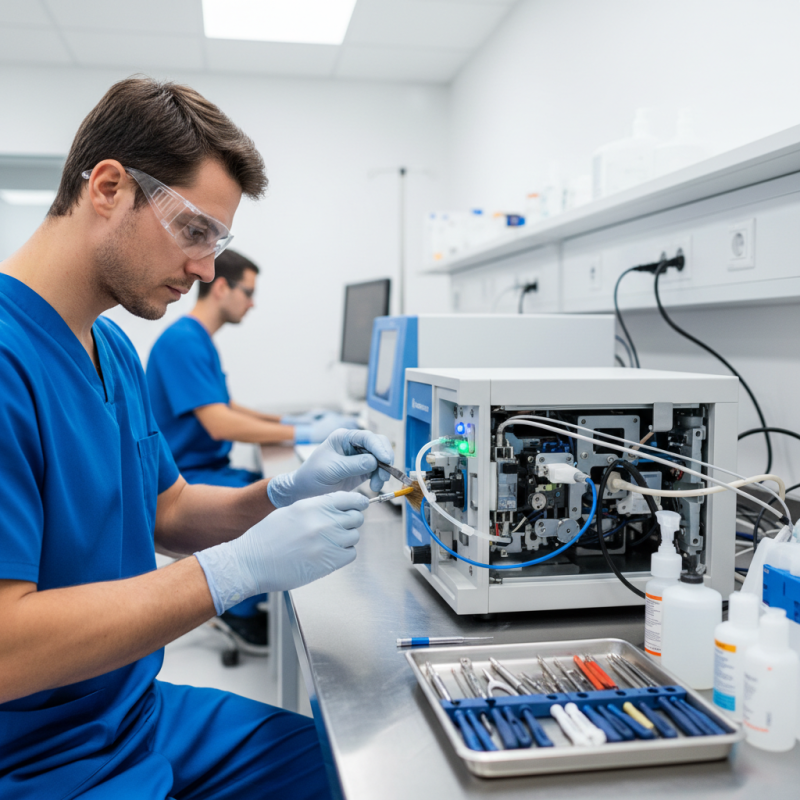
Proper maintenance of diagnostic equipment is crucial. High-quality equipment ensures accurate results and safety in medical settings. According to recent reports, up to 30% of diagnostic errors can be traced back to equipment malfunction. These failures not only endanger patient safety but also increase healthcare costs significantly. Regular maintenance helps mitigate these risks.
Neglecting equipment care can lead to unforeseen issues. Many operators lack the training to recognize early signs of wear or malfunction. In a study, 20% of surveyed facilities reported inadequate maintenance techniques. This oversight demonstrates a need for better training and awareness because proper care enhances equipment lifespan.
Moreover, outdated manuals and practices can perpetuate mistakes. Equipment should be regularly calibrated and serviced according to manufacturer guidelines. Accurate data shows that facilities adhering to a rigorous maintenance schedule experience a 15% reduction in operational downtime. Prioritizing maintenance is a step that can make a difference, not just in performance, but in patient outcomes as well.
| Tip Number | Maintenance Tip | Description | Frequency |
|---|---|---|---|
| 1 | Regular Calibration | Ensure that diagnostic equipment is calibrated according to manufacturer specifications. | Monthly |
| 2 | Clean Equipment | Regularly clean the surfaces of the equipment to prevent contamination. | Weekly |
| 3 | Software Updates | Keep the diagnostic software updated to enhance performance and security. | Quarterly |
| 4 | Inspect Cables and Connectors | Check cables and connectors for wear and tear to ensure safe operation. | Bi-Monthly |
| 5 | Battery Maintenance | Monitor battery health and replace when necessary. | Monthly |
| 6 | Environmental Controls | Maintain appropriate temperature and humidity levels in storage areas. | Ongoing |
| 7 | Document Maintenance | Keep detailed records of all maintenance activities for accountability. | Ongoing |
| 8 | User Training | Ensure all users are trained on proper operation and care of equipment. | Annually |
| 9 | Emergency Procedures | Establish and review emergency procedures for equipment failure. | Semi-Annually |
| 10 | Professional Servicing | Schedule regular professional servicing by certified technicians. | Annually |
: Maintenance ensures accuracy and safety, reducing diagnostic errors and operational costs.
Neglected equipment may malfunction, leading to patient safety risks and increased healthcare expenses.
Poor maintenance can shorten equipment lifespan and lead to diagnostic inaccuracies.
First, check for loose connections or low battery levels to resolve issues quickly.
High humidity and extreme temperatures can negatively affect equipment performance and reliability.
A log helps track recurring issues, revealing patterns that indicate deeper problems requiring professional help.
Equipment should be serviced according to manufacturer guidelines for optimal performance.
Facilities with a strict maintenance schedule may experience reduced operational downtime by 15%.
Regular cleaning helps prevent dust buildup, which can lead to equipment malfunctions.
Yes, many operators lack training, making it difficult to spot these signs promptly.
Maintaining diagnostic equipment properly is crucial for ensuring accurate results and optimal performance in healthcare settings. Understanding the importance of regular maintenance sets the foundation for efficiency and reliability. Key practices include routine cleaning procedures for diagnostic instruments, which help prevent contamination and malfunctions. Additionally, regular calibration ensures that the equipment produces precise measurements, aligning with quality standards.
Furthermore, identifying common issues and employing effective troubleshooting techniques can minimize downtime and extend the lifespan of the equipment. Establishing a consistent maintenance schedule allows for proactive management of diagnostic tools, ultimately leading to better healthcare outcomes. By following these essential tips, healthcare professionals can ensure their diagnostic equipment remains in peak condition, thereby safeguarding patient care.

 Medvok Medical