The realm of diagnostic technology is rapidly evolving, raising intriguing questions about what is the future of diagnostic technology. Innovations in artificial intelligence and machine learning are changing how we approach diagnostics. These advancements promise greater accuracy and efficiency, transforming patient care.
As we delve into future trends, it's essential to recognize both potential benefits and challenges. Emerging technologies might improve disease detection, yet they could also lead to ethical dilemmas. For instance, data privacy concerns are becoming increasingly relevant, and maintaining patient trust is crucial.
Moreover, while technologies like telemedicine are reshaping diagnostics, access remains an issue. Not everyone has the same level of access to these advancements. It’s vital to address such disparities to ensure equitable healthcare for all. Understanding what is the future of diagnostic technology involves considering not just innovations but their implications for society.
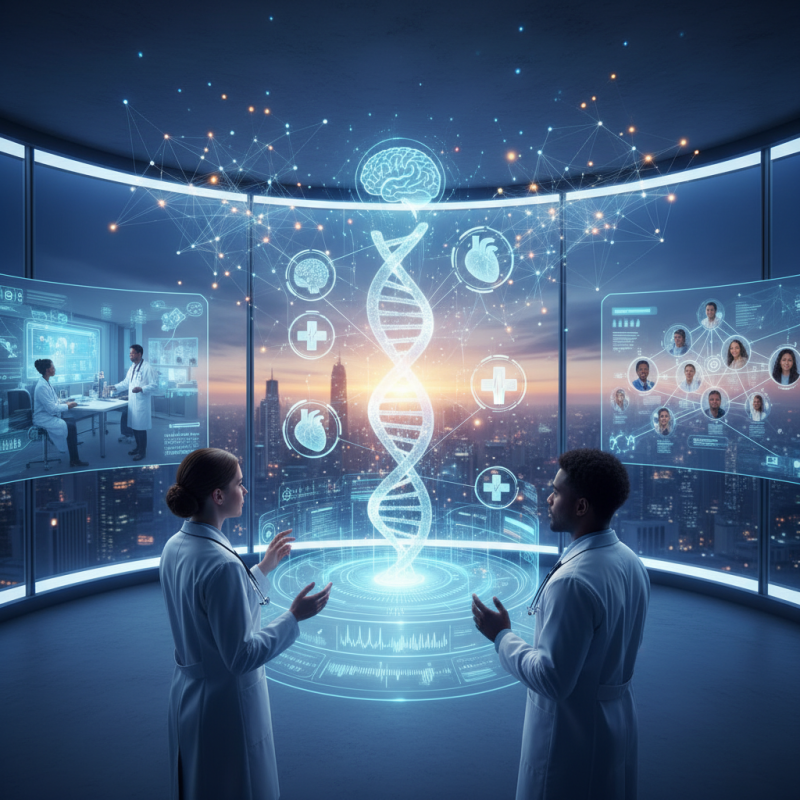
The landscape of diagnostic tools is rapidly shifting with new technologies. Emerging trends like artificial intelligence, biomarker analysis, and telemedicine are transforming how we diagnose diseases. According to a recent report by Grand View Research, the global market for diagnostic imaging is expected to reach over $26 billion by 2028. This growth highlights a demand for innovations that can enhance accuracy and efficiency in diagnosing health conditions.
AI-driven diagnostic tools are one of the most significant advancements. They analyze vast datasets to identify patterns that are often missed by human practitioners. For instance, AI can assess medical images in seconds, reducing the time to diagnosis. However, reliance on algorithms raises concerns about accuracy and data integrity. It's crucial to balance technology with human expertise to prevent misdiagnoses.
Telemedicine is another frontier. With the COVID-19 pandemic, remote consultations surged. Research from McKinsey indicates that up to 20% of outpatient visits could be conducted remotely in the future. This approach increases access but may overlook the nuances of in-person examinations.
Tip: Stay informed about these emerging trends by following scientific journals and attending industry conferences. Engage with experts to enhance your understanding of these technologies. Remember, while innovation is exciting, maintaining a critical perspective is essential as the field evolves.
Artificial Intelligence (AI) and Machine Learning (ML)
are revolutionizing the diagnostic technology landscape. Reports indicate that the global AI in healthcare market is projected to reach $45.2 billion by 2026.
These technologies enhance diagnostic accuracy and improve patient outcomes. For instance, AI algorithms can analyze medical images and detect anomalies.
Some studies suggest they achieve up to 94% accuracy in identifying conditions like breast cancer.
However, the integration of AI in diagnostics is not without challenges. Data quality and representativeness remain significant concerns.
Algorithms trained on biased data might lead to misdiagnoses. Furthermore, the interpretation of AI results requires human oversight. Physicians must navigate between
algorithmic suggestions and clinical judgment. Continuous education becomes essential for healthcare professionals
to effectively use these tools.
Ethical considerations also arise with AI usage. Patient privacy and consent must be prioritized. Many healthcare providers grapple with how to ethically implement AI
while ensuring patient trust. As AI technology evolves, the need for regulatory frameworks increases. Balancing innovation
with patient safety and ethics requires constant reflection. This ongoing dialogue will ultimately shape the future of diagnostics.
Wearable devices have revolutionized health monitoring. These gadgets offer real-time data about a user’s health and wellness. According to a report by Grand View Research, the global wearable technology market is expected to reach $62 billion by 2025. This growth is driven by the increasing demand for remote patient monitoring tools. Wearables can track heart rates, activity levels, and even sleep patterns.
However, while the technology is promising, there are challenges. Data accuracy remains a concern. A study published in the Journal of Medical Internet Research highlighted that many wearable devices display discrepancies in health metrics. This can lead to misinterpretations of a user’s health status. Users rely heavily on this data, making improved accuracy essential.
Privacy is another issue to consider. Many devices collect sensitive personal information. The potential for data breaches raises concerns about security. Users must be made aware of these risks while adopting these technologies. Balancing the benefits with the drawbacks is crucial. As we delve deeper into this digital health era, ongoing evaluation is essential for maintaining trust in wearable technology.
Telemedicine has transformed diagnostic procedures. It allows patients to consult healthcare providers from home. This convenience can lead to quicker diagnoses. However, it raises questions about the depth of these assessments. Remote evaluations often rely on patient-reported symptoms. There is a risk of missing subtle signs that a physician might catch in person.
The integration of technology into diagnostics can be a double-edged sword. While telemedicine increases access to care, not all patients are comfortable using it. Older adults might struggle with technology. Their reluctance could lead to delays in diagnosis. Further, telehealth limits physical examinations. This limitation can affect the accuracy of certain diagnoses.
Moreover, reliance on technology can create disparities. Not every patient has access to quality internet or devices. This can widen the gap in healthcare quality across different populations. The challenge lies in ensuring telemedicine complements, rather than replaces traditional methods. Ongoing research is needed to refine these practices and address their limitations effectively. Balancing innovation with thoroughness remains a key focus in evolving diagnostic technology.
The future of genetic and molecular diagnostics is promising. Advanced techniques are making it easier to analyze DNA and RNA. These technologies provide insights into diseases at a molecular level, leading to personalized treatment options. As precision medicine grows, the ability to understand individual genetic profiles becomes vital.
Tips: Stay updated on emerging trends in diagnostics. Follow reputable sources. Understanding these advancements could help in early disease detection.
Crucially, ethical implications must be considered. Gene editing and data privacy raise concerns. Misuse of genetic information could lead to discrimination. Serious conversations about regulations need to unfold.
Another aspect is accessibility. Cutting-edge diagnostics may not reach everyone equally. Disparities in healthcare can limit benefits for underprivileged groups. It’s essential to advocate for equal access to these life-saving technologies. These challenges call for reflection and dialogue among stakeholders in the medical community.
I in diagnostics?
Yes, challenges include data quality and potential biases. Misdiagnoses can occur if algorithms are trained poorly.
Human oversight is crucial. Physicians must balance algorithm suggestions with their clinical judgment.
Ethical concerns include patient privacy and consent. Trust between patients and providers must be maintained.
Wearables provide real-time data on health metrics. They can track heart rates, activity levels, and sleep patterns.
Wearable devices collect sensitive data. The risk of data breaches poses significant security concerns for users.
Genetic diagnostics are advancing. Understanding individual genetic profiles is essential for precision medicine.
Gene editing raises concerns about misuse. Discrimination based on genetic information is a valid fear.
Not everyone has equal access to cutting-edge diagnostics. Healthcare disparities can limit benefits for underprivileged groups.
Continuous evaluation helps maintain trust in technologies. Balancing benefits and drawbacks is a constant challenge.
The future of diagnostic technology is poised for significant transformation, driven by emerging technologies that promise enhanced accuracy and efficiency in medical assessments. Innovations such as artificial intelligence and machine learning are revolutionizing diagnostics by enabling predictive analytics and personalized treatment plans, leading to better patient outcomes. Moreover, wearable devices are becoming integral to health monitoring, allowing for continuous data collection and real-time health insights.
Telemedicine is also reshaping diagnostic procedures by facilitating remote consultations and diagnostics, making healthcare more accessible. Additionally, advancements in genetic and molecular diagnostics hold the potential to tailor treatments based on individual genetic profiles. As these technologies evolve, they will redefine how we approach health care, emphasizing preventive measures and early interventions. Ultimately, what is the future of diagnostic technology is a question that points towards a more integrated, personalized, and proactive healthcare landscape.

Medvok Medical