Top 10 Ways Diagnostic Technology Impacts Patient Care?

Time:2026-09-17 Author:Henry
0%

Diagnostic technology now shapes many moments of patient care, from the first blood test to long-term disease monitoring. It helps clinicians detect illness earlier, compare treatment responses, and make decisions using measurable evidence. A scan can reveal a small lung lesion. A rapid infection test can guide treatment before symptoms worsen. These examples show why patients and healthcare teams ask, “how does diagnostic technology impact patient care?”

Its influence reaches beyond faster results. Modern imaging, molecular testing, wearable devices, and point-of-care tools can improve diagnostic accuracy and support more personalized care. They may reduce unnecessary procedures, shorten hospital stays, and help doctors identify patients who need urgent attention. However, technology is not a substitute for clinical judgment. A test result still requires context, careful communication, and professional interpretation. A machine can detect an abnormal pattern, but it cannot fully understand a patient’s fears, history, or living conditions.

This article examines ten practical ways diagnostic technology affects patient care. It considers earlier detection, treatment planning, monitoring, safety, accessibility, and communication. It also addresses limitations, including false positives, equipment costs, data privacy, and unequal access between communities. Results are not always perfect. Even experienced clinicians can misread incomplete information. Reliable care depends on validated tools, trained professionals, transparent evidence, and meaningful patient involvement. The strongest systems combine technical precision with human attention. That balance matters.
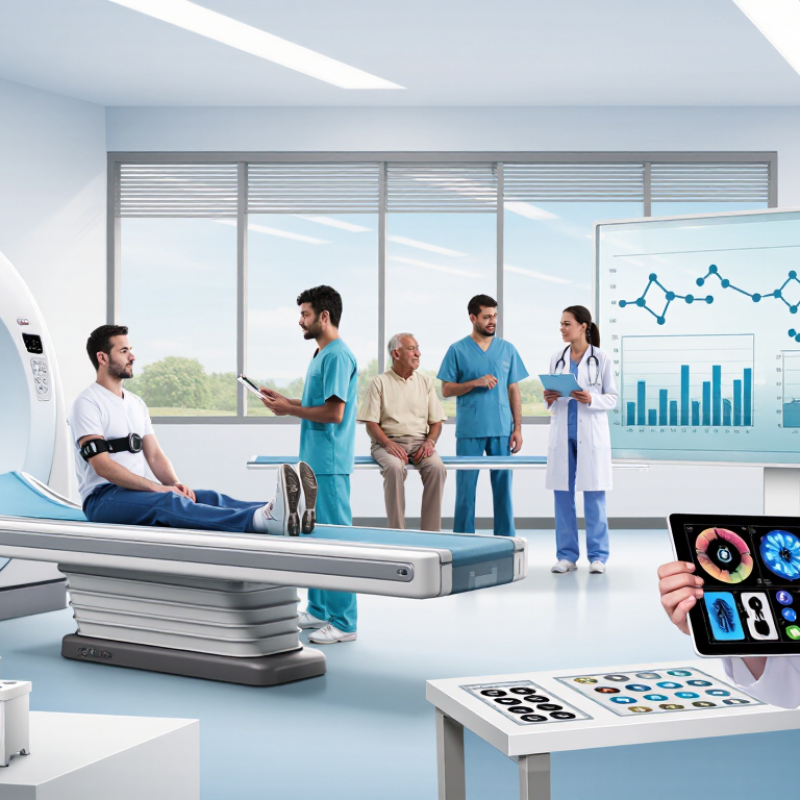
Top 10 Ways Diagnostic Technology Impacts Patient Care?

Early Detection & Screening: 47% Lack Essential Diagnostics (WHO, 2023)

Early detection is one of diagnostic technology’s most important effects on patient care. Yet access remains uneven. The World Health Organization reported in 2023 that approximately 47% of people lack access to essential diagnostic services. This gap can delay treatment for tuberculosis, diabetes, cancer, and pregnancy complications.

A reliable blood test can change a consultation within minutes. It may prevent unnecessary antibiotics, identify high-risk patients, and guide referrals before symptoms become severe. The Lancet Commission on Diagnostics estimated that 4.7 billion people lack timely access to accurate diagnostic testing.

In rural clinics, the problem is often practical: limited equipment, unstable electricity, and too few trained technicians. Advanced technology cannot solve every barrier by itself.

Screening programs also need careful design. A positive result can create anxiety when follow-up care is unavailable. False reassurance can be equally dangerous. Clinicians must explain uncertainty, confirm abnormal findings, and connect patients with treatment.

WHO’s 2023 Essential Diagnostics List supports this approach by identifying tests needed across primary and hospital care. However, implementation is not automatic. Some health systems still measure devices purchased rather than patients correctly diagnosed. That is a weakness worth admitting. Better diagnostics should mean earlier, safer, and more equitable decisions at the bedside.

Accuracy & Safety: AHRQ Estimates 12M U.S. Diagnostic Errors Yearly

Top 10 Ways Diagnostic Technology Impacts Patient Care

Accuracy and safety remain urgent concerns in modern healthcare. AHRQ-supported research estimates that about 12 million U.S. adults experience outpatient diagnostic errors each year. Nearly half may cause harm. These figures make every test result matter, especially when symptoms are vague or changing.

Diagnostic technology can improve care by combining imaging, laboratory data, and clinical history. Automated checks may identify unusual results before a clinician closes the record. Faster reporting can reduce delays in treatment. The National Academies’ 2015 report, Improving Diagnosis in Health Care, found that most people are likely to experience at least one diagnostic error during their lifetime. Technology cannot remove that risk. It can make warning signs easier to see.

Safety still depends on human judgment. False positives may trigger unnecessary tests, anxiety, or invasive procedures. Poorly trained systems can also overlook patients whose symptoms differ from common patterns. The World Health Organization identifies diagnostic errors as a major source of avoidable harm worldwide. This supports stronger validation, transparent performance data, and regular review in real clinical settings. A quiet alert is easily missed. An excessive alert becomes background noise. Healthcare teams should track missed diagnoses, delayed results, and patient outcomes, not only software speed. Progress is measurable, but it is not perfect.

Top 10 Ways Diagnostic Technology Impacts Patient Care

Accuracy & Safety: An estimated 12 million U.S. adults experience outpatient diagnostic errors each year.

Ten Patient-Care Impacts

1. Earlier detection: Supports faster recognition of abnormal findings.
2. Safer triage: Helps prioritize patients according to clinical risk.
3. More accurate differentials: Compares symptoms, history, and test results.
4. Improved imaging interpretation: Highlights findings that may require review.
5. Better laboratory interpretation: Connects results with reference ranges and context.
6. Fewer missed follow-ups: Tracks pending tests and abnormal results.
7. Stronger clinical communication: Shares diagnostic information across care settings.
8. More personalized care: Incorporates longitudinal patient data into decisions.
9. Reduced repeat testing: Makes prior results easier to locate and evaluate.
10. Continuous safety improvement: Enables monitoring of diagnostic delays and discrepancies.

The chart uses published U.S. outpatient estimates: approximately 12 million adults experience diagnostic errors annually, and about half of these errors may cause harm. The 6 million figure is calculated from the reported 50% estimate.

Sources: Agency for Healthcare Research and Quality, Diagnostic Safety resources; National Academies of Sciences, Engineering, and Medicine, Improving Diagnosis in Health Care.

Speed & Workflow: FDA Listed 950+ AI/ML Devices in 2024

Diagnostic technology is reshaping patient care through faster detection, clearer triage, and smoother clinical workflows. In 2024, the U.S. Food and Drug Administration reported more than 950 authorized AI/ML-enabled medical devices. Most were concentrated in radiology, where algorithms can flag suspected findings while images are still in the worklist.

That changes the first few minutes. A chest scan marked “urgent” can move higher in a radiologist’s queue. A result can reach the emergency team sooner. The FDA’s 2024 device list shows how quickly these tools have entered routine clinical pathways. The AMA’s 2024 physician survey also found that many doctors see augmented intelligence as useful for improving diagnostic efficiency, although trust remains uneven.

Workflow gains are real, but they are not automatic. A 2024 report from the National Academies stresses the importance of validation, monitoring, and human oversight when AI supports clinical decisions. Hospitals still need clean data, trained staff, and clear escalation rules. Otherwise, an alert may become another interruption. Too many alerts.

There is also a practical weakness. Performance can vary across populations, equipment, and care settings. A model that works well in one imaging department may need adjustment elsewhere. Clinicians must check the output against symptoms, history, and image quality. Speed matters, but speed without context can create rework, anxiety, or delayed care. The best systems reduce clicks and waiting time while keeping responsibility visible.

Top 10 Ways Diagnostic Technology Impacts Patient Care? — Speed & Workflow: FDA Listed 950+ AI/ML Devices in 2024

Evidence-based dimensions for evaluating how diagnostic technology changes speed, workflow, safety, access, and clinical decision-making.

No. Impact area How diagnostic technology affects patient care Recommended data dimension Evidence-based data point Patient-care implication
1 AI/ML adoption AI-assisted diagnostic tools can prioritize images, waveforms, and other clinical data for professional review. Number of FDA-listed AI/ML-enabled medical devices; annual growth in listings. 950+ devices were listed in the FDA AI/ML-enabled device inventory during 2024. A larger regulated technology base increases the potential for faster prioritization and decision support, while clinical validation remains essential.
2 Faster diagnostic triage Algorithmic worklists can flag potentially urgent findings before routine cases are reviewed. Time from examination completion to urgent-case review; percentage of urgent cases correctly prioritized. No universal pooled time-saving value exists. The appropriate benchmark is a local before-and-after comparison using the same clinical pathway. Shorter review delays may support earlier treatment, but false alerts and missed cases must be monitored.
3 Reduced turnaround time Automation can assist with image processing, measurements, structured reporting, and result routing. Median test-to-report time; 90th-percentile turnaround time; percentage meeting service targets. There is no single technology-independent turnaround benchmark. Turnaround varies by modality, staffing, urgency, and care setting. Reliable measurement can identify bottlenecks and improve the speed of treatment decisions.
4 Diagnostic-error reduction Decision-support systems can provide reminders, differential diagnoses, image comparisons, and consistency checks. Diagnostic-error rate; delayed-diagnosis rate; potentially harmful error rate; time to diagnostic correction. Approximately 5% of U.S. adults experience an outpatient diagnostic error each year; about half of these errors may cause harm. Technology can add a safety layer, but it should support—not replace—clinical judgment and follow-up.
5 Earlier detection of deterioration Continuous monitoring and predictive analytics can identify changes that may require earlier clinical assessment. Time from physiological change to escalation; unplanned intensive-care transfers; rapid-response events. There is no universal reduction percentage across settings. Performance should be assessed prospectively with calibration, sensitivity, specificity, and alert-burden measures. Earlier escalation may reduce avoidable deterioration when alerts are clinically actionable and appropriately staffed.
6 More consistent interpretation Standardized measurements and structured outputs can reduce variation in documentation and review. Inter-reader agreement; repeat-test rate; report completeness; variance in key measurements. Agreement should be reported with sensitivity, specificity, predictive values, or concordance statistics rather than with a single universal improvement claim. Greater consistency can improve care continuity, especially across shifts and care locations.
7 Lower clinician workload Automation can reduce repetitive measurements, data entry, result sorting, and administrative coordination. Hands-on review time; documentation time; after-hours work; alert volume; override rate. No general workload-reduction percentage applies to all diagnostic tools. Net benefit must include setup, verification, and exception-handling time. Effective workflow design can return clinician time to communication, examination, and complex decision-making.
8 Expanded access to diagnosis Remote acquisition, digital transmission, and automated pre-screening can extend specialist-supported services to underserved locations. Travel distance; waiting time; referral completion; geographic coverage; time to specialist review. WHO reports that about half of the world's population lacks access to essential health services. Diagnostic technology can help address access gaps but cannot replace clinical infrastructure. Improved access may support earlier diagnosis, particularly where specialist capacity is limited.
9 Safer result communication Automated routing, critical-result alerts, and closed-loop acknowledgment can reduce communication gaps. Time from result verification to acknowledgment; unacknowledged critical results; repeat-contact rate. Performance is workflow-specific; the core safety measure is documented acknowledgment and action for every critical result. Closed-loop communication can reduce delays between diagnosis, treatment, and patient notification.
10 More equitable diagnostic performance Subgroup monitoring can identify differences in accuracy, calibration, and access across age, sex, ethnicity, language, and clinical-risk groups. Sensitivity and specificity by subgroup; calibration; rejection rate; missing-data rate; access and waiting-time gaps. No single overall fairness score is clinically sufficient. FDA guidance emphasizes representative data, subgroup evaluation, and ongoing performance monitoring. Transparent subgroup evaluation helps prevent unequal diagnostic performance and supports safer deployment.

Sources and measurement notes

  1. U.S. Food and Drug Administration. Artificial Intelligence and Machine Learning (AI/ML)-Enabled Medical Devices.
  2. Singh H, et al. The global burden of diagnostic errors in primary care. BMJ Quality & Safety.
  3. World Health Organization. Patient safety.
  4. World Health Organization. Universal health coverage.

Note: Except for the published reference statistics, operational values should be calculated from local pre-implementation and post-implementation data. FDA listing indicates regulatory listing or authorization status; it does not establish that every device improves outcomes in every clinical setting.

Personalized Treatment: FDA Lists 300+ Pharmacogenetic Drug Associations

Diagnostic technology can change patient care by showing how inherited DNA may influence medication response. The FDA lists more than 300 pharmacogenetic drug associations, linking specific genetic variants with possible differences in drug effectiveness, metabolism, or side effects.

A clinician may order a cheek swab or blood test before selecting treatment. Results can help explain why a standard dose caused dizziness, bleeding, or poor symptom control. They may also support a safer starting dose or encourage closer monitoring. A result is not a prescription. Medical history, kidney function, age, other medicines, and pregnancy status still matter.

The evidence is not equally strong for every association. Some findings guide well-established decisions, while others remain limited or uncertain. Genetic tests can miss rare variants, and results may take days to return. Representation in research also deserves scrutiny, because populations are not studied equally. Care teams should review the laboratory method, evidence level, and date of interpretation before acting. Patients deserve plain explanations, not just a dense report. My concern is simple: precision can improve care, but false confidence can harm it. A careful conversation remains essential.

Data Integration & Continuity: 96% of U.S. Hospitals Use Certified EHRs (ONC)

Certified electronic health records now serve nearly 96% of U.S. hospitals, according to national health information reporting. This coverage strengthens diagnostic continuity across emergency rooms, clinics, and specialist offices. A patient’s prior scans, allergy history, and laboratory trends can appear before a new decision is made. That context reduces repeated testing and helps clinicians notice changes earlier.

However, data integration is not automatically reliable. Records may arrive late, use different terms, or omit important details. A physician might see a normal result without seeing when it was collected. Small gaps can change clinical judgment. In my experience, the best systems support careful review rather than replace it. Clinicians still need to confirm identity, timing, symptoms, and unusual findings with the patient. Technology helps, but it can also create false confidence.

Tips: Encourage patients to keep an updated medication list and ask whether outside records were received. Care teams should verify imported results, document corrections, and explain unclear findings. Test the handoff.

Continuous training also matters. Staff need practical workflows for correcting duplicate records and reporting missing information. Health leaders should measure turnaround times, repeat tests, and diagnostic delays. The 96% figure shows broad adoption, not perfect performance. Better-connected records are valuable only when accurate data supports thoughtful human care.

FAQS

Why is early diagnostic testing important?

Early testing can identify tuberculosis, diabetes, cancer, and pregnancy complications before symptoms become severe. A test may change a consultation within minutes. Not always.

How widespread is limited access to essential diagnostics?

Nearly 47% of people lack access to essential diagnostic services. About 4.7 billion people may lack timely, accurate testing. Rural clinics often face weak electricity, limited equipment, and too few technicians.

Can a blood test reduce unnecessary treatment?

A reliable blood test can guide referrals and reduce unnecessary antibiotic use. It may also identify patients needing urgent care. Results still require clinical judgment.

What risks can screening programs create?

A positive result may cause anxiety when follow-up care is unavailable. A false negative can create dangerous reassurance. Clinicians should confirm abnormal findings and explain uncertainty clearly.

How can artificial intelligence improve diagnostic workflow?

An algorithm can flag a suspicious scan while images remain in the worklist. An urgent case may move higher in the radiologist’s queue. This can shorten waiting time.

Can artificial intelligence replace clinicians?

No. Clinicians must compare algorithmic outputs with symptoms, history, and image quality. Human oversight remains necessary. Too many alerts.

Why might diagnostic technology perform differently between hospitals?

Performance can vary across populations, equipment, data quality, and care settings. A system working well in one department may need adjustment elsewhere. Context still matters.

How can genetic testing support personalized treatment?

Genetic testing may show how inherited variants affect drug effectiveness, metabolism, or side effects. A cheek swab or blood sample can support safer dosing decisions. A result is not a prescription.

What should clinicians consider before using genetic test results?

They should review medical history, kidney function, age, pregnancy status, and other medicines. Evidence strength differs between genetic associations. False confidence remains a real concern.

What makes diagnostic technology equitable and useful?

Success should mean more correctly diagnosed patients, not merely more devices purchased. Health systems need trained staff, reliable follow-up, and clear escalation rules. The weak point is implementation.

Conclusion

Diagnostic technology plays a central role in improving modern patient care. But how does diagnostic technology impact patient care? It supports earlier detection and screening, helping healthcare professionals identify diseases before symptoms become severe, especially as 47% of people worldwide still lack access to essential diagnostics. More accurate testing can also improve clinical decision-making and reduce preventable harm, an important benefit given the estimated 12 million diagnostic errors reported each year in the United States.

In addition, faster digital tools and artificial intelligence can streamline workflows, reduce delays, and help clinicians manage growing workloads. With more than 950 AI and machine-learning medical devices listed in 2024, these technologies are increasingly supporting diagnosis and monitoring. Diagnostic data can also guide personalized treatment, including medication choices based on genetic information and more than 300 documented drug–gene associations. Finally, integrated electronic health records, used by 96% of U.S. hospitals, improve information sharing and continuity of care, enabling providers to make better-informed decisions across different stages of a patient’s healthcare journey.

Henry

Henry

Henry is a dedicated marketing professional with a profound expertise in the company's offerings. With years of experience in the industry, he possesses an impressive understanding of the market dynamics and consumer behaviors that drive success. Henry is committed to sharing his insights through......