The field of medical diagnostics is rapidly evolving, driven by technological advancements and innovative approaches. As we approach 2026, one pressing question arises: what are the latest trends in medical diagnostics? This inquiry is essential for healthcare professionals, patients, and researchers alike.
Innovations such as artificial intelligence and machine learning are transforming diagnostic processes. These technologies enhance accuracy and efficiency in identifying diseases at early stages. However, their implementation raises concerns about data privacy and reliability. Will machines effectively complement human expertise, or could they overshadow it?
Additionally, wearable health devices are gaining popularity. They enable real-time monitoring and proactive health management. Yet, the accuracy of data collected from these devices sometimes sparks debate. As we explore these trends, it's crucial to reflect on how they shape our understanding of health. Balancing innovation with ethics will be key in shaping the future of medical diagnostics.
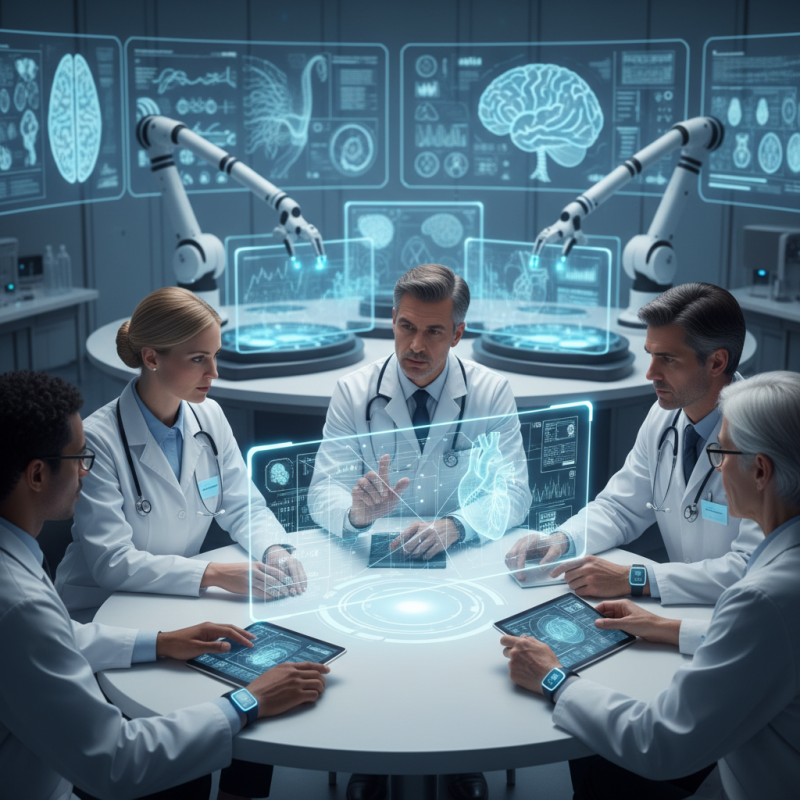
Emerging AI Technologies in Medical Diagnostics for 2026
The landscape of medical diagnostics is rapidly evolving, especially with the
emergence of AI technologies. By 2026, we expect AI to redefine how we
approach patient screening and disease detection. Machine learning algorithms can analyze vast amounts of data
more efficiently than any human. These systems learn from past diagnoses, improving their accuracy over time.
Exciting innovations will include AI-driven imaging techniques. For
example, algorithms may identify subtle patterns in X-rays or MRIs that human eyes could miss. This capability
could lead to earlier detection of diseases, improving treatment outcomes. However, reliance on AI raises
questions about accountability. Who is responsible if an AI makes a mistake? This uncertainty necessitates
robust guidelines and oversight.
Another trend is the integration of AI chatbots in patient interaction.
These tools can pre-screen patients based on symptoms, streamlining the diagnostic process.
Nonetheless, there is a risk of
over-reliance on technology. Patients might miss out on the empathy and intuition a healthcare professional
provides. Balancing technology and human touch will be crucial as we
advance toward 2026.
Integration of Telemedicine in Diagnostic Processes by 2026
Telemedicine is transforming the landscape of medical diagnostics as we move towards 2026. The integration of technology into healthcare allows for remote consultations and diagnostic assessments. This shift enhances access to care, particularly for patients in remote areas. Using video conferencing, patients can connect with physicians and get timely evaluations. However, this convenience comes with challenges.
Many healthcare providers still face connectivity issues, especially in rural locations. Not all patients have access to reliable internet. This can delay diagnoses and treatment. Furthermore, there are concerns about the accuracy of remote diagnostics. Physical examinations and in-person tests often yield more precise results.
The potential for telemedicine is immense. It can streamline diagnostic processes and reduce patient wait times. Yet, the reliance on virtual consultations may compromise the thoroughness of some assessments. Balancing convenience with comprehensive care remains a significant hurdle. As we advance, finding effective solutions will be essential for truly enhancing the diagnostic experience.
Advancements in Biomarker Discovery and Genomic Testing
The landscape of medical diagnostics is evolving rapidly. Advances in biomarker discovery are at the forefront of this transformation. According to a recent report by the Global Biomarker Development Association, the market for biomarkers is poised to reach $150 billion by 2026. This growth reflects the increasing reliance on personalized medicine, which utilizes specific biological markers to tailor treatments.
Genomic testing is a key component of this trend. A study published in the Journal of Genetic Medicine noted that over 60% of patients who undergo genomic testing receive actionable insights for their care. This not only improves patient outcomes but also streamlines clinical decision-making. However, the integration of genomic data into routine practice is still a work in progress. Many healthcare providers face challenges in interpreting complex results.
Additionally, despite the excitement surrounding these innovations, there remain gaps in access and education. A survey by the Health Information Institute found that nearly 40% of physicians feel unprepared to discuss genomic testing results with their patients. This indicates a need for ongoing training and resources. As the field progresses, bridging these gaps will be essential for maximizing the benefits of biomarker discovery and genomic testing in diagnostics.
Impact of Point-of-Care Testing on Patient Outcomes by 2026
Point-of-Care Testing (POCT) is reshaping medical diagnostics. By 2026, the integration of POCT will likely revolutionize patient care. These tests allow immediate diagnosis at or near the site of patient care. Patients will experience faster results and treatment decisions. This shift reduces wait times significantly, impacting overall patient outcomes positively.
Tips: Ensure you understand the range of POCT available. Discuss testing options with healthcare providers to determine the best fit for your needs.
However, despite the advances, challenges remain. Not all POCT devices are created equal. Some may lack sensitivity or specificity. Physicians need to be cautious, ensuring tests used are reliable. Trust in the results is crucial for effective patient management.
Incorporating POCT will also require proper training. Healthcare professionals should stay updated with emerging technologies and protocols. Continuous education will enhance the testing process and patient safety.
Tips: Regularly review clinical guidelines on POCT. Engaging in workshops may help in mastering the use of these novel testing methodologies.
Latest Trends in Medical Diagnostics for 2026: Impact of Point-of-Care Testing on Patient Outcomes
This chart illustrates the expected growth in the adoption of Point-of-Care Testing (POCT) from 2023 to 2026 and its projected impact on patient outcomes. The data shows a notable increase in diagnostics conducted at the point of care, which is anticipated to enhance the speed and efficiency of medical decision-making.
Future Trends in Wearable Health Monitoring Devices and Their Accuracy
The future of wearable health monitoring devices looks promising as innovations unfold. Industry reports forecast that the global wearable healthcare market will reach approximately $60 billion by 2026. These devices provide continuous data on heart rate, activity levels, and sleep patterns, allowing users to make informed health decisions. However, the accuracy of these devices is still an area of concern. While some wearables claim up to 95% accuracy, studies suggest that their real-world performance often falls short.
In recent surveys, nearly 30% of users reported discrepancies between wearable data and clinical assessments. This gap highlights the need for improved calibration and validation of devices. Clinicians warn that overreliance on these gadgets could lead to misinterpretation of health signals. Standards for accuracy and reliability are crucial as we advance. Innovations in sensor technology and data analytics are key focus areas for developers. Improved algorithms may enhance performance, but the validation process can lag behind innovation.
The integration of artificial intelligence into wearables holds potential. AI can enhance data interpretation, but there are challenges. For instance, ensuring patient data privacy remains paramount. As the market grows, collaboration between tech manufacturers and healthcare providers will be vital. By addressing these complexities, the future of wearable health monitoring can become more robust and reliable.
Conclusion
The article titled "Latest Trends in Medical Diagnostics for 2026 Innovations" explores several cutting-edge developments shaping the future of medical diagnostics. Key areas of focus include emerging AI technologies that enhance diagnostic accuracy and efficiency, the integration of telemedicine to streamline diagnostic processes, and significant advancements in biomarker discovery and genomic testing. These innovations aim to improve patient outcomes and personalize treatment approaches.
Furthermore, the impact of point-of-care testing is examined, highlighting its role in delivering timely results directly to patients, thus transforming traditional diagnostic landscapes. Lastly, future trends in wearable health monitoring devices are discussed, emphasizing their expected enhancements in accuracy and the ongoing shift towards proactive health management. In summary, the article addresses what are the latest trends in medical diagnostics, painting a picture of a more connected and technologically advanced healthcare system by 2026.

 Medvok Medical