


In the modern healthcare environment, the speed, precision, and accuracy of clinical diagnostics constitute the foundation of patient care, therapeutic monitoring, and disease prevention. The global medical market is witnessing an unprecedented shift toward automation and point-of-care testing (POCT), requiring diagnostic equipment manufacturers to deliver systems that integrate cutting-edge biotechnology with reliable mechanical execution.
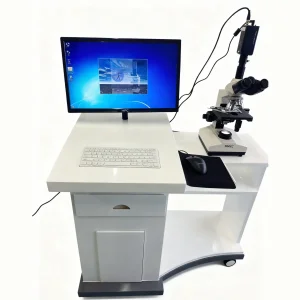
From high-throughput atomic absorption spectroscopy (AAS) detecting heavy metals in human serum, to automated gynecological secretion analyzers employing advanced digital microscopy, the variety of assessment tools continues to expand. These instruments allow laboratory professionals to deliver consistent results under tight turnaround times, reducing human error and improving patient outcomes.
Selecting the right manufacturer goes beyond identifying a machinery provider; it demands an evaluation of their molecular and biochemical research capabilities. A robust diagnostic system is only as reliable as its biological components—namely, the high-affinity antigens and antibodies that run in its assays.

Ningbo Medvok Medical Co., Ltd. stands at the forefront of the high-tech biotechnology sector. Focused intensely on the research, development, and high-volume production of premium antigens, antibodies, and downstream detection reagents, the company delivers integrated diagnostic pathways. Medvok's product pipelines are comprehensive, covering critical clinical segments such as cardiovascular and cerebrovascular health, inflammation monitoring, infectious diseases, oncology markers, and endocrine hormone tracking.
Unlike typical hardware-focused assemblers, Medvok retains full upstream control of the diagnostic workflow. By manufacturing its own high-specificity raw biological materials, Medvok guarantees batch-to-batch consistency and minimizes reagent cross-reactivity. This vertical integration is vital for high-throughput analyzers where reagent stability directly dictates diagnostic specificity and sensitivity.
Innovation is embedded in Medvok's DNA. Through continuous methodology enhancements—ranging from recombinant protein expression platforms to hybridoma cell lines—the company adapts rapidly to emerging global pathogens and chronic disease profiles. Currently, Medvok’s solutions serve healthcare institutions, reference laboratories, and distributor networks across more than 60 countries and major international metropolitan centers.
Operating strictly under the ISO 13485 quality management system, the company implements end-to-end traceablity for all diagnostic assays. This ensures that every test cassette, analyzer cartridge, and immunoassay reagent kit meets stringent domestic and international regulatory standards, earning the confidence of clinical pathologists worldwide.
Assay development spanning oncology, cardiovascular, hormones, and highly infectious diseases (e.g., Syphilis, bovine viral diarrhea).
Standardized manufacturing protocols ensuring reliable, reproducible clinical data across all downstream laboratory instruments.
Strategic shipping network providing diagnostics, laboratory solutions, and customer support to 60+ countries.
Traditional vaginal secretion analysis relies on manual slide preparation and visual verification under standard light microscopes. This methodology introduces operator subjectivity and limits patient turnaround speed. By employing the Automated Vaginal Secretion Analyzer for Candidiasis and Trichomoniasis, hospitals utilize digital microscopy and intelligent recognition software to automate cell counting and morphological pathogen detection. This localized innovation increases testing throughput, limits cross-infection hazards, and establishes digital records for clinical monitoring.
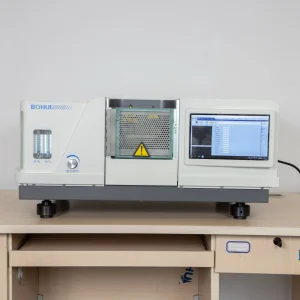
Industrial regions require routine biosurveillance of occupational safety indicators. High-Throughput AAS (Atomic Absorption Spectroscopy) systems play a key role in automated clinical labs for detecting trace elements, including lead and cadmium. These tools allow regional laboratories to handle heavy screening demands while maintaining low cost-per-test metrics, ensuring regulatory compliance and safeguarding public health.
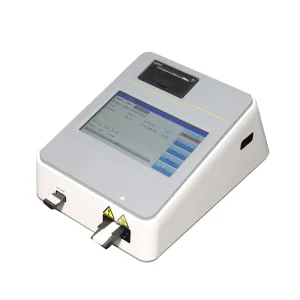
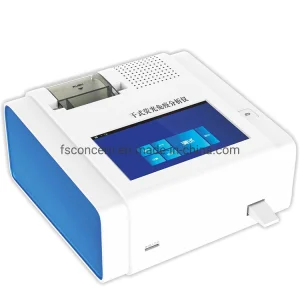
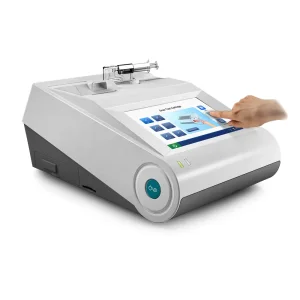
Emergency clinics and remote diagnostic centers require rapid analyte quantification without the infrastructure of a centralized facility. Dry-type fluorescence immunochromatographic systems deliver laboratory-grade results for cardiac biomarkers, hormones, and infectious diseases in under 15 minutes. The simple operation profile makes these tools critical for emergency rooms and mobile health fleets.
Behind the analytical assays lies a structured manufacturing backend. Heavy-duty material sorters, such as the Tyxc Linear Vibrating Screen, are integrated within pharmaceutical raw material lines. They ensure proper particle sizing for chemical excipients, powder-based medical consumables, and bulk diagnostics processing before final assay packaging.
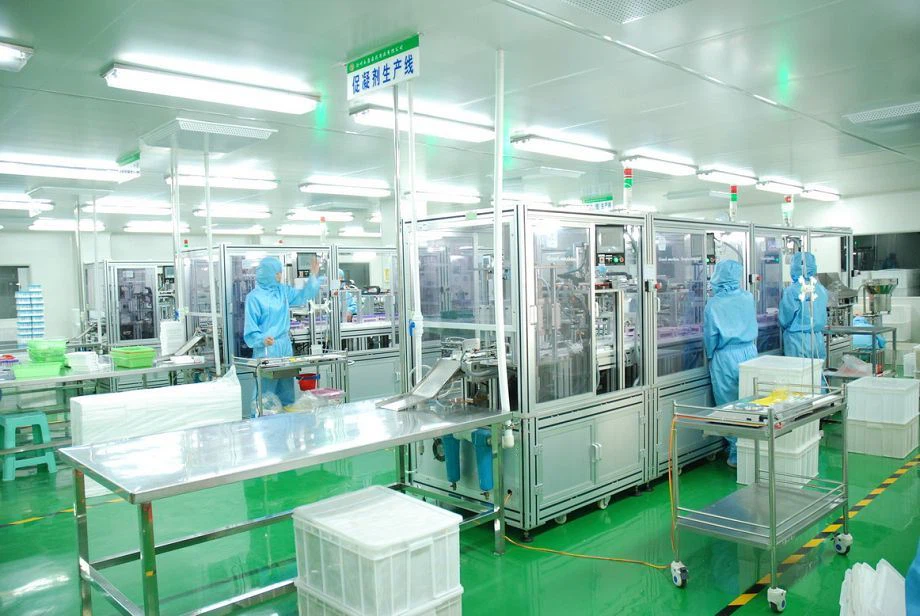
China's diagnostics manufacturing network provides more than just cost-competitive assembly; it delivers a mature ecosystem of precision machining, optoelectronic integration, and biochemical reagent formulation. By operating in proximity to these supply chain resources, companies like Ningbo Medvok can accelerate prototype cycles, transition from pilot designs to full-scale production, and manage component availability.
Key competitive factors of this ecosystem include:
The clinical diagnostics industry is progressing toward digital pathology systems integrated with cloud-based diagnostic networks. By linking automated instrumentation with cloud infrastructure, medical clinics can conduct remote diagnostic assessments, utilize machine-learning image confirmation, and monitor disease trends in real-time.
Simultaneously, a convergence is occurring between traditional clinical diagnostics and wearable health monitoring systems (such as smartwatches with ECG and biometric parameters). While POCT devices offer precise diagnostic windows, wearable biosensors support long-term trend analysis. Developing technologies that bridge these platforms is key to the next generation of patient care.
Furthermore, sustainable development is critical. Medvok supports eco-friendly manufacturing by utilizing bio-derived reagents, minimizing single-use plastic waste, and deploying energy-efficient water purification systems (e.g., custom pharmaceutical purified water solutions) across production sites. This balance of technology and sustainability ensures clinical tools protect patient health and limit environmental impact.
The accuracy of diagnostic equipment depends on the quality of its biological components. Controlling raw materials allows manufacturers to optimize reagent affinity and specificity, reducing batch-to-batch variation. This directly impacts baseline stability and prevents false positives/negatives in patients.
ISO 13485 is the international quality standard for medical devices. Certification guarantees that every stage of product design, manufacturing, inspection, and delivery meets strict quality control measures, ensuring consistent performance and patient safety.
Point-of-Care Testing (POCT) bypasses the need for sample transportation, centrifugation, and complex processing. It delivers diagnostic results in minutes at the point of care, making it essential for emergency situations and decentralized clinics.
Yes. Advanced manufacturers provide comprehensive OEM/ODM services, including customization of hardware housing, localized language integration, packaging modifications, and custom antibody formulation.
All biological products, such as diagnostic test kits and antibody solutions, are shipped under monitored cold chain conditions (typically 2-8°C or below -20°C depending on stability requirements) to preserve active proteins and enzyme activities during transport.

 Medvok Medical