In an era of unprecedented global connectivity, the speed at which pathogens travel has outpaced traditional clinical diagnostic models. Infectious Disease Surveillance has shifted from a reactive healthcare function to a proactive, technology-driven pillar of national security. Leading manufacturers and factories are now integrating Artificial Intelligence (AI), Big Data, and Internet of Medical Things (IoMT) to create early-warning systems that detect outbreaks before they become pandemics.
The global market for infectious disease surveillance is projected to experience a CAGR of over 8.5% through 2030. This growth is driven by the increasing incidence of emerging zoonotic diseases, the rise of antimicrobial resistance (AMR), and a worldwide push for "One Health" initiatives—unifying human, animal, and environmental health monitoring.
Modern factories are no longer just producing test kits; they are providing digital ecosystems. AI algorithms now analyze rapid test results in real-time, mapping geographic hotspots and predicting viral mutations with high accuracy.
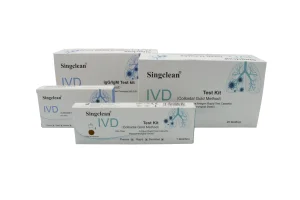
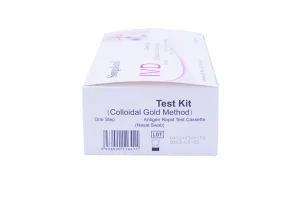
The shift toward "De-centralized testing" means diagnostic tools must be portable, user-friendly, and require minimal laboratory infrastructure. Our self-testing nasal swabs and rapid cassettes are at the forefront of this revolution.
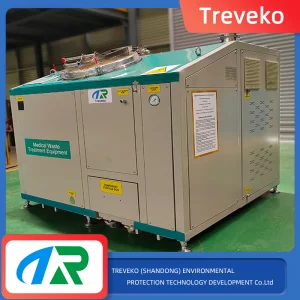
Managing infectious waste is as critical as diagnosing the disease. Automated microwave sterilization technology is replacing traditional incineration, offering a more eco-friendly and cost-effective solution for laboratory waste management.
For international buyers, including NGOs, government health departments, and private hospital chains, the procurement of infectious disease surveillance equipment hinges on four critical factors:
Surveillance is not limited to human clinics. Localized applications in agriculture and livestock are vital for food security. Veterinary surveillance prevents the spillover of diseases from animals to humans.
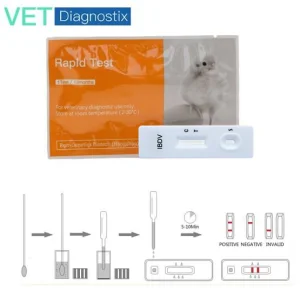
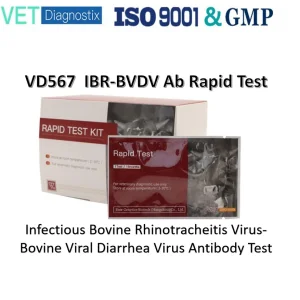
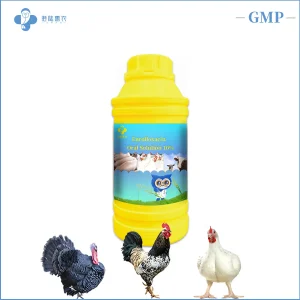
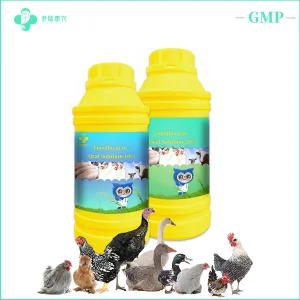
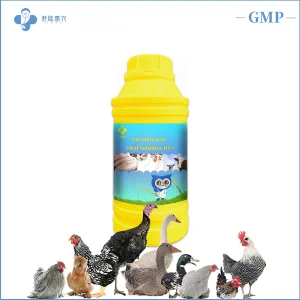
From monitoring Infectious Bursal Disease in poultry farms to detecting Bovine Viral Diarrhea in cattle, our diagnostic tools empower farmers and veterinarians to take immediate action. Furthermore, pharmaceutical solutions like Enrofloxacin Oral Solutions provide the necessary treatment layer once a bacterial threat is identified through surveillance.
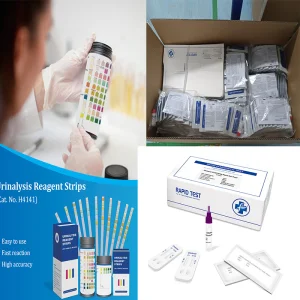
Deploying rapid antigen strips at entry points for immediate screening of international travelers.
Large-scale screening of livestock to ensure the safety of the global meat supply chain.
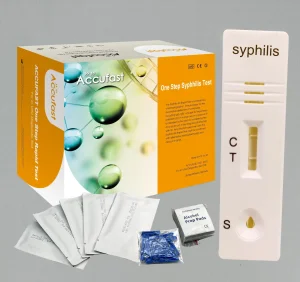
Providing low-cost, high-accuracy kits for routine screening of STDs and Hepatitis in remote areas.
Ningbo Medvok Medical Co., Ltd. is a high-tech biotechnology company focused on the R&D and production of antigens, antibodies, and downstream detection reagents for diagnosis and therapy. Our product pipelines cover cardiovascular and cerebrovascular, inflammation, infectious diseases, tumors, hormones, and other categories, from raw materials to finished products.
Currently, our products have been delivered to more than 60 countries and cities worldwide. Using the ISO 13485 management system, the product quality is greatly trusted by customers. With the mission "Biotech For A Better Life", we are committed to innovation and providing our best solutions to our customers. We sincerely believe we could make our special contribution to human ecology and health.
As an IVD solutions provider, we have worked and will keep working intensively to support research and foment knowledge and prevention of the diseases. For us, a well-informed society is a healthier society. We care about protecting human health and hope all of society to have access to clean, affordable, and reliable biotechnologies.
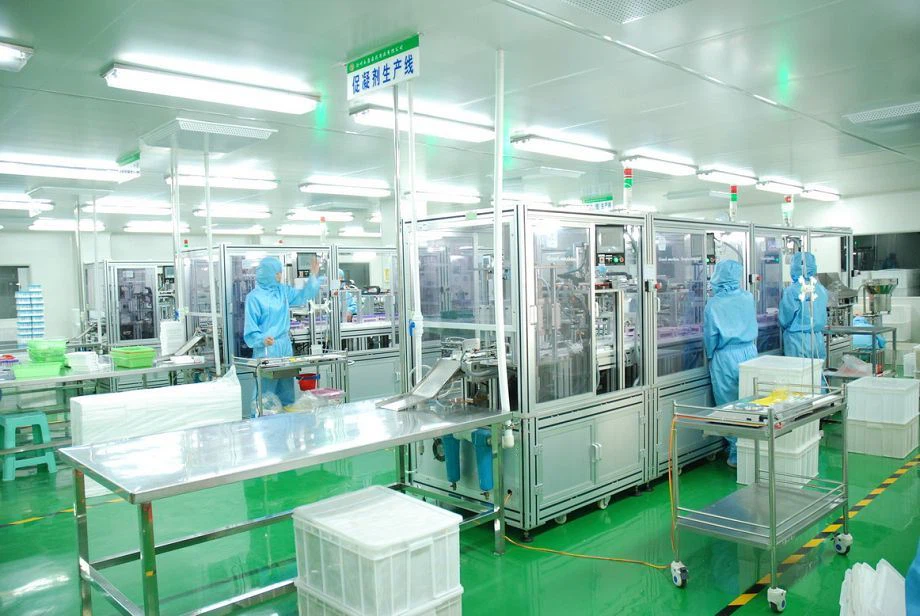
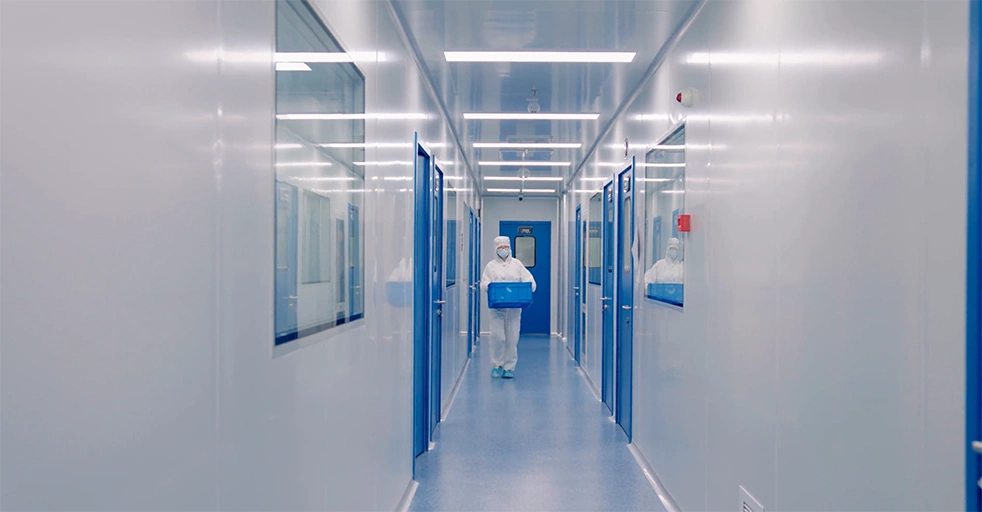
Partnering with a leading Chinese factory like Medvok offers distinct strategic advantages in the infectious disease surveillance sector:
Our economic development is compatible with proper conduct in relation to ethics, society, the workplace, the environment, and respect for human rights. We think of society as a group of individuals with equal rights and opportunities. In order to materialize this commitment, we have developed a robust sustainability policy on environmental and social matters.
 Medvok Medical