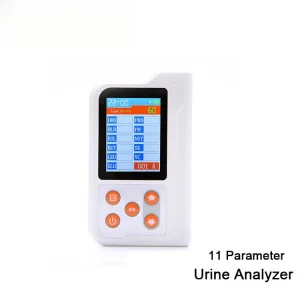
The global Microfluidic Diagnostic Devices market is currently undergoing a paradigm shift, transitioning from centralized laboratory testing to decentralized, Point-of-Care Testing (POCT). As of 2024, the industry is valued at over USD 20 billion, with a projected compound annual growth rate (CAGR) exceeding 15% through 2030. This surge is driven by the increasing prevalence of chronic diseases, the demand for rapid infectious disease testing, and the rise of personalized medicine.
Microfluidics, often referred to as "Lab-on-a-Chip" technology, allows for the manipulation of minute amounts of fluids (microliters to picoliters) within sub-millimeter channels. This precision enables faster reaction times, reduced reagent consumption, and the integration of multiple laboratory functions onto a single, portable device. In the industrial sector, microfluidics is revolutionizing drug discovery through "Organ-on-a-Chip" models, which provide more accurate human physiological responses than traditional animal testing.
Moving beyond continuous flow, digital microfluidics uses electrowetting to control individual droplets, allowing for complex, programmable diagnostic assays.
Integration of AI algorithms for real-time data analysis of microfluidic results, enhancing diagnostic accuracy and predictive health monitoring.
The trend is moving toward consumer-grade microfluidic devices that allow patients to monitor biomarkers from the comfort of their homes.
Scaling down further to the nano-level to detect single molecules, such as early-stage cancer DNA or rare viral particles.
Shift from PDMS to biodegradable polymers and paper-based microfluidics to reduce the environmental impact of disposable medical waste.
Microfluidic thermal cycling allows for PCR results in under 15 minutes, critical for emergency triage and infectious disease control.
Global procurement needs for Microfluidic Diagnostic Devices are becoming increasingly sophisticated. Large-scale hospital groups in North America and Europe prioritize high-throughput integration and regulatory compliance (FDA/CE), while emerging markets in Southeast Asia and Africa focus on cost-effectiveness, portability, and "cold-chain independent" reagents. As a premier China wholesale manufacturer, we address these diverse needs by offering scalable production and customizable OEM/ODM services.
Localized Application Scenarios:
As a leading manufacturer in Ningbo, China, we leverage a world-class supply chain and a highly skilled R&D workforce. Our advantage lies in the ability to rapidly prototype and mass-produce complex microfluidic structures at a fraction of the cost of Western counterparts, without compromising on quality or precision. We adhere to strict international standards, ensuring our partners receive reliable, medical-grade diagnostic tools.
Ningbo Medvok Medical Co., Ltd. is a high-tech biotechnology company focused on the R&D and production of antigens, antibodies and downstream detection reagents for diagnosis and therapy. The product pipelines cover cardiovascular and cerebrovascular, inflammation, infectious diseases, tumors, hormones and other categories, from raw materials to finished products.

Innovation is in our DNA! Bioantibody keeps developing new technologies. Currently, our products have been delivered to more than 60 countries and cities worldwide. Using the ISO 13485 management system, the product quality is greatly trusted by customers. With the mission "Biotech For A Better Life", we are committed to innovation and providing our best solutions to our customers. We sincerely believe we could make our special contribution to human ecology and health.
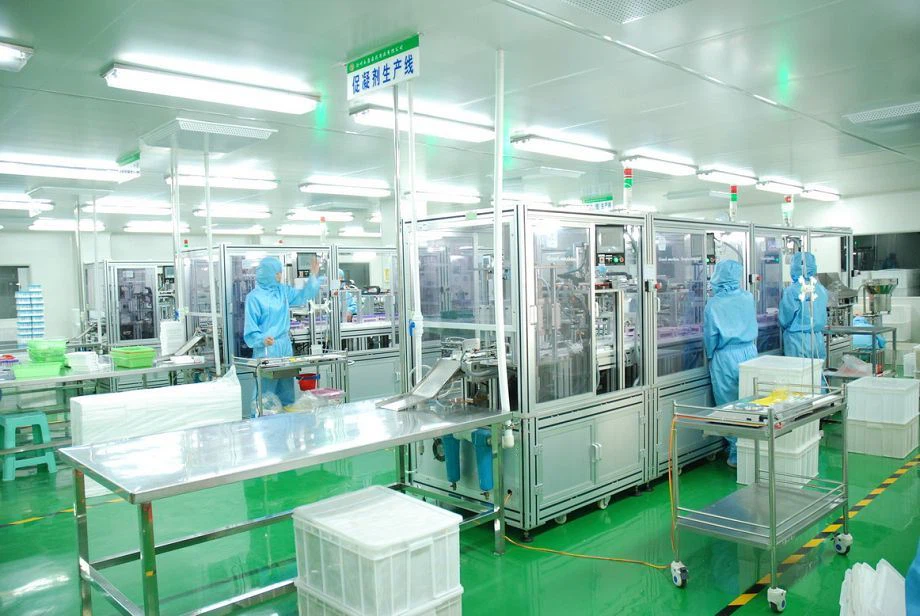
As an IVD solutions provider, we have worked and will keep working intensively to support research and foment knowledge and prevention of the diseases. For us, a well-informed society is a healthier society. We care about protecting the human health and hope all of society to have access to clean, affordable, and reliable biotechnologies.
Furthermore, our economic development will be compatible with proper conduct in relation to ethics, society, the workplace, the environment and respect for human rights. In order to materialize this commitment, we have developed the sustainability policy on environmental and social matters.
Our manufacturing process for microfluidic diagnostic devices involves state-of-the-art lithography, injection molding, and laser ablation techniques. By controlling the surface chemistry of microchannels, we ensure optimal flow dynamics and minimal non-specific binding of proteins or nucleic acids. This level of precision is what differentiates a standard diagnostic tool from a high-performance microfluidic system.
Microfluidic devices are particularly potent in liquid biopsy applications, where they can isolate circulating tumor cells (CTCs) from a standard blood draw. This non-invasive method allows for continuous monitoring of cancer progression. Similarly, in the realm of infectious diseases, our microfluidic platforms enable multiplexed detection, allowing a single chip to test for multiple respiratory or sexually transmitted pathogens simultaneously, providing a comprehensive diagnostic profile in minutes.
With decades of combined experience in biotechnology and medical device engineering, our team embodies Expertise. Our Authoritativeness is recognized through our extensive export network and ISO certifications. We build Trustworthiness by maintaining transparent supply chains and rigorous quality control protocols. When you partner with us, you are not just buying a product; you are investing in a legacy of medical innovation and Experience.
As the industry moves toward 2025, we are expanding our R&D into silicon-based microfluidics and CMOS-integrated sensors, bridging the gap between semiconductor technology and biological sciences. This "Bio-Convergence" will define the next generation of diagnostic excellence, and we are proud to be at the forefront of this revolution in China.
 Medvok Medical