

Ningbo Medvok Medical Co., Ltd. is a high-tech biotechnology company focused on the R&D and production of antigens, antibodies and downstream detection reagents for diagnosis and therapy. The product pipelines cover cardiovascular and cerebrovascular, inflammation, infectious diseases, tumors, hormones and other categories, from raw materials to finished products.
By positioning ourselves at the absolute forefront of raw material development, we ensure unmatched biological specificity and batch-to-batch consistency. Our state-of-the-art facilities leverage microfluidic controls, customized expression vectors, and advanced hybridoma selection methodologies to deliver robust diagnostic outputs worldwide.
Analyzing industry shifts towards early detection, micro-fluidic assays, and scalable point-of-care infrastructure.
The global healthcare sector is witnessing a paradigm shift from therapeutic intervention to predictive, preventive, and early-stage diagnostic screening. Patient screening technologies—spanning rapid immunoassays, high-throughput molecular diagnostics (PCR), and precision imaging modalities (such as low-dose CT and digital radiography)—form the primary shield against chronic and infectious pandemics. In an era marked by aging populations, surging cardiovascular incidences, and evolving pathogen profiles, the demand for highly sensitive and cost-effective testing platforms has escalated exponentially.
China has rapidly emerged as a leading epicenter for the production and export of these technologies. Through significant capital injection, raw material self-sufficiency, and localized production clustering, Chinese manufacturers offer the global medical ecosystem unmatched efficiency, high-volume capacity, and rigorous compliance with international regulatory bodies. Organizations like Ningbo Medvok Medical Co., Ltd. represent the pinnacle of this shift, producing proprietary core raw materials (antigens and antibodies) to eliminate third-party supply vulnerabilities and maintain strict quality standards.
The molecular core of diagnostic accuracy. Development centers on recombinant antibody technologies that minimize non-specific binding and cross-reactivity in clinical assays.
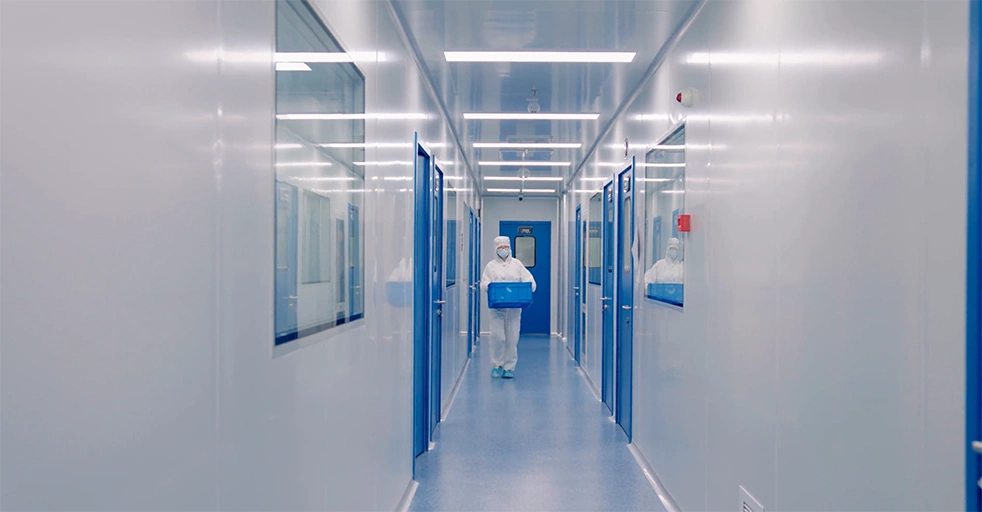
Compliance is non-negotiable. Global deployment requires meticulous batch documentation, cleanroom manufacturing controls, and trace-back capability for every manufactured batch.
Transitioning testing from centralized laboratories straight to patient bedsides. Requires robust, room-temperature stable lateral flow strips and molecular setups.
Exploring the biological and physical mechanisms underpinning modern diagnostic screening solutions.
The foundation of any immunoassay lies in the structural specificity of the bioreceptors utilized. High-performance patient screening assays rely on highly optimized monoclonal antibodies, polyclonal antibodies, and engineered recombinant antigens. When designed correctly, these biomolecules show high affinity for target biomarkers while showing zero cross-reactivity with structurally related molecules.
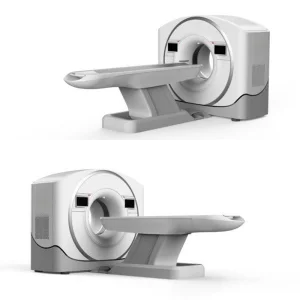
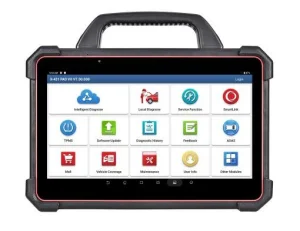
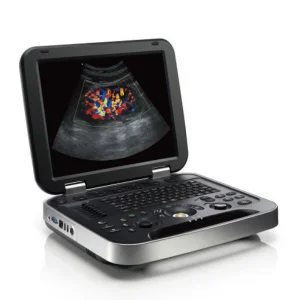
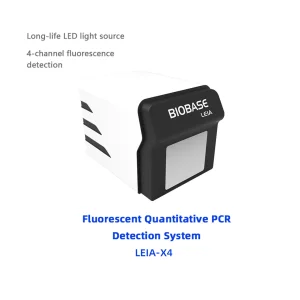
Reagents must be coupled with high-precision instrumentation to yield quantifiable, reproducible data. Our technological framework bridges biochemistry with hardware, integrating clinical analytical instruments like real-time PCR systems (clinical molecular detection), microfluidic readers, advanced ultrasound systems, and low-dose CT diagnostic scanners. This holistic approach ensures that patient screening transitions seamlessly from cellular detection to anatomical visualization.
"Innovation is in our DNA! Bioantibody keeps developing new technologies. Currently, our products have been delivered to more than 60 countries and cities worldwide. Using the ISO 13485 management system, the product quality is greatly trusted by customers. With the mission 'Biotech For A Better Life', we are committed to innovation and providing our best solutions to our customers. We sincerely believe we could make our special contribution to human ecology and health."
— Bioantibody Global R&D DivisionDeploying targeted screening methodologies across clinical, community, and veterinary settings.
High-throughput screening platforms are crucial in handling massive patient volumes. Implementing integrated systems—such as real-time PCR panels alongside advanced imaging units (e.g., CT & DR systems)—enables clinical labs to perform rapid pathogen testing and diagnostic confirmation concurrently, reducing patient turnaround time from days to hours.
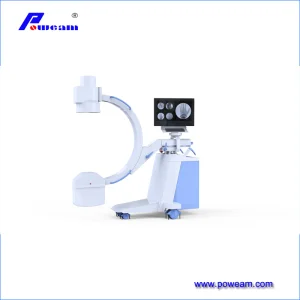
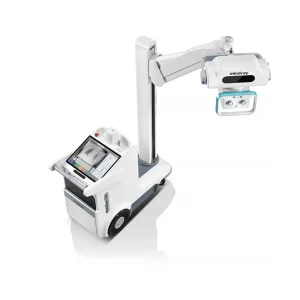
In remote or resource-limited regions, portable screening diagnostics become the primary medical gateway. Decentralized systems like portable RT-PCR devices and mobile digital X-ray units bring tertiary-level diagnostic capabilities directly to rural communities, helping identify infectious diseases before they spread.
Zoonotic diseases present a direct threat to public health. Applying clinical-grade ELISA, lateral flow test strips, and veterinary oral solutions (such as Florfenicol and Enrofloxacin) helps farmers and veterinarians contain outbreaks in cattle, sheep, goats, and poultry, ensuring food security and public safety.
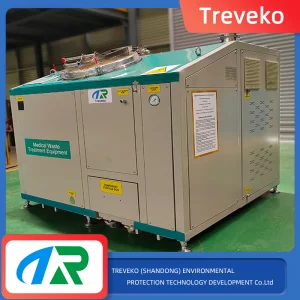
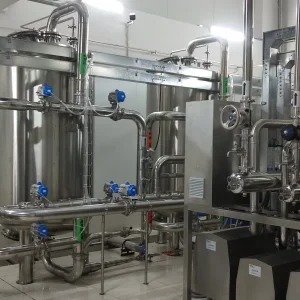
High-volume patient screening generates considerable biohazardous waste. Automated microwave sterilization systems provide on-site sterilization for mixed laboratory and specimen waste, reducing environmental contamination risks while eliminating the need for carbon-heavy transportation to off-site incinerators.
Strategic phases mapping the integration of automation, biological optimization, and cloud connectivity.
Refining antibody expression techniques using mammalian cell systems to lower limits of detection (LoD) for oncology and cardiac biomarkers, while minimizing diagnostic cross-reactivity.
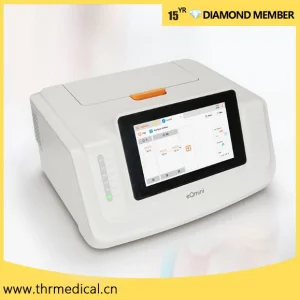
Developing molecular diagnostic systems (like the THR-eQmini portable RT-PCR) to support multi-channel, cartridge-based multiplex testing, allowing for point-of-care diagnostics without cold-chain limitations.
Integrating artificial intelligence into diagnostic workflows to support automated image analysis (for CT/DR) and cloud-synchronized laboratory information systems (LIS) for real-time epidemiological monitoring.
As an IVD solutions provider, we have worked and will keep working intensively to support research and foment knowledge and prevention of the diseases. For us, a well-informed society is a healthier society.
We care about protecting the human health and hope all of society to have access to clean, affordable, and reliable biotechnologies.
Furthermore, our economic development will be compatible with proper conduct in relation to ethics, society, the workplace, the environment and respect for human rights. We think of society as a group of individuals with equal rights and opportunities. In order to materialize this commitment, we have developed the sustainability policy on environmental and social matters.
Providing direct answers regarding technical parameters, quality standards, and export workflows.
Our raw material development is based on recombinant protein expression systems and clonal cell line purification. Operating under a strict ISO 13485 quality system, we utilize high-precision automated chromatography to monitor purification profiles. Continuous quality control processes, including HPLC analysis and ELISA validation, verify that every batch matches biological activity standards, minimizing variations in downstream assays.
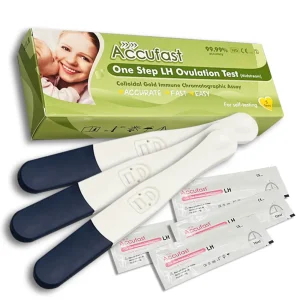
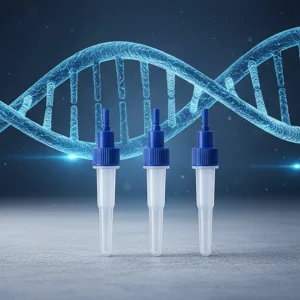
For clinical PCR screening platforms, our systems can detect target copies down to 200 copies/mL. For rapid point-of-care lateral flow tests (such as LH and antigen devices), our optimized antibody pairing achieves picogram-level sensitivity, delivering early, dependable detection in clinical applications.
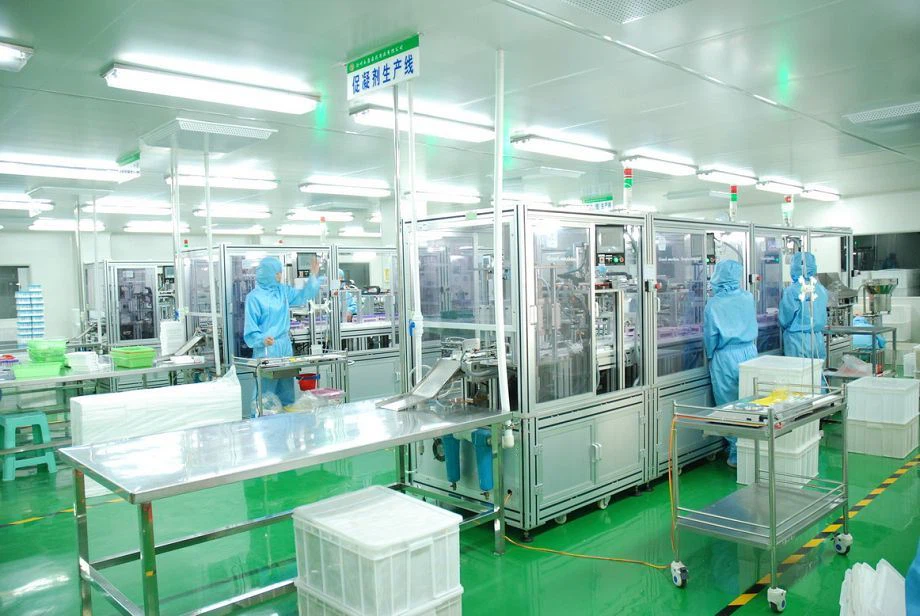
Our sustainability policy shapes our manufacturing footprint. We integrate green chemistry principles, prioritize energy-efficient processes in our cleanrooms, and promote on-site sterilization methods like microwave treatment to neutralize laboratory waste. This reduces overall energy consumption and keeps our biochemical supply chain environmentally sound.
Yes. As a primary manufacturer, we support customized antibody conjugation, recombinant protein expression, and assay formulation adjustments. Our diagnostic platform supports tailored packaging, specialized concentrations, and custom buffer options for direct integration into diverse analytical platforms.
Our facilities run under ISO 13485 guidelines, and major diagnostic pipelines carry CE marks, FSC certifications, and comply with target market health regulations. This comprehensive compliance framework ensures smooth custom clearance and integration into hospital systems worldwide.
 Medvok Medical