



In the modern healthcare landscape, point-of-care testing (POCT) and rapid diagnostic assays have shifted from auxiliary tools to the core of preventive medicine, clinical triage, and epidemiological surveillance. High-volume, high-precision manufacturing is essential to meet the dual requirements of clinical reliability and decentralized access.
Ningbo Medvok Medical Co., Ltd. stands at the forefront of this biological revolution. As a high-tech biotechnology company focused on the R&D and production of antigens, antibodies, and downstream detection reagents for diagnosis and therapy, the company controls the critical upstream raw materials. This vertical integration directly mitigates batch-to-batch variability—the primary technical challenge in lateral flow immunoassay (LFIA) and molecular biosensor production.

The rapid diagnostics sector is undergoing a rapid transition toward digitization, multiplexing, and enhanced analytical performance. Diagnostic platforms are evolving from simple qualitative (yes/no) readouts to high-precision quantitative assessments capable of detecting trace analytes.
Integrating complex fluidic pathways on plastic cartridges allows precise control of sample processing, reagent mixing, and multi-step reactions. This tech bridges the gap between rapid tests and laboratory-bound immunoassay analyzers.
Simultaneous detection of multiple analytes from a single patient sample (e.g., differential panels for respiratory viruses or complex cardiovascular markers) improves diagnostic yields while reducing cost-per-test metrics.
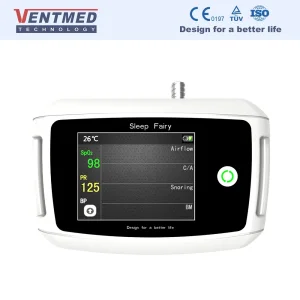
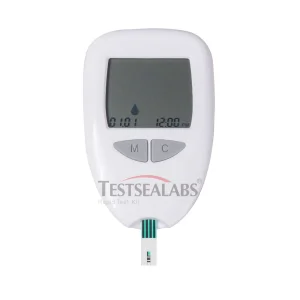
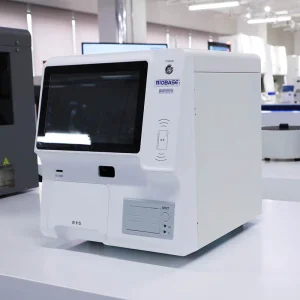
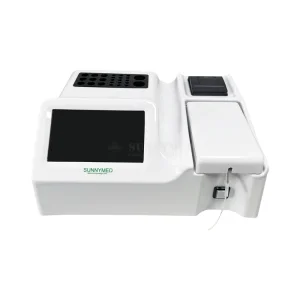
Transitioning from visual interpretation to optoelectronic readers. Handheld instruments and smartphone-based optical sensors process test results objectively, eliminating human reading errors and logging epidemiological data to the cloud.
As a forward-looking provider, Bioantibody actively targets these trends. Innovation is in our DNA, and we continuously develop new technologies to expand our pipelines across cardiovascular, cerebrovascular, inflammation, infectious diseases, tumors, hormones, and more. Our R&D efforts ensure the raw biological components (monoclonal/polyclonal antibodies and highly stable antigens) are optimized for modern biosensors and digital signal transducers.
National health systems, decentralized clinical chains, and veterinary operations require rapid diagnostic supply chains characterized by resilience, scalable output, and strict regulatory adherence. For large-scale procurement programs, selecting a supplier is a multi-dimensional risk assessment.
From acute cardiovascular emergency triage (e.g., Troponin I assays) to mass-screening programs for infectious pathogens, rapid diagnostic devices are essential tools. Medical centers require highly reproducible kits with a shelf-life that withstands complex distribution networks. Managing both biological raw materials and advanced automated assembly lines allows factories to control critical components and offer stable pricing models.
Animal health directly impacts the global food chain. Effective pathogen containment requires fast testing at farms and ports of entry. High-quality therapeutic solutions, such as GMP-compliant Enrofloxacin Oral Solutions and Florfenicol Oral Solutions, rely on diagnostics for targeted treatment protocols. This alignment helps veterinarians address antimicrobial resistance (AMR) through diagnostic-guided antibiotic use.
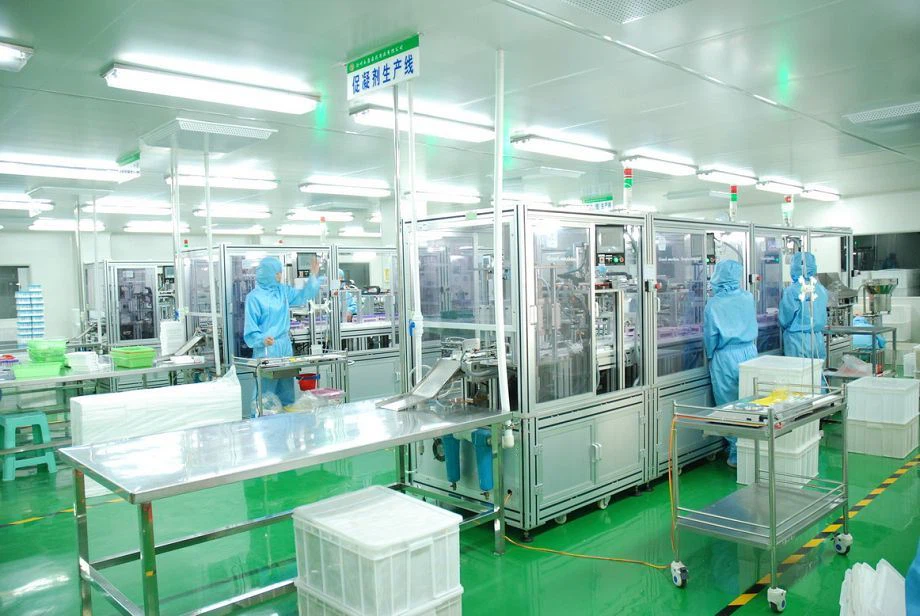
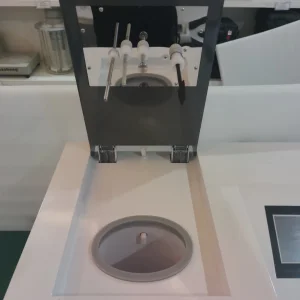
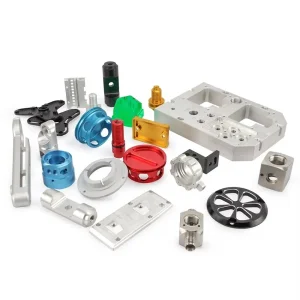
China's IVD manufacturing sector has evolved from simple assembly lines into an advanced ecosystem powered by Industry 4.0 principles. Modern facilities deploy intelligent automation, automated vision inspection systems, and integrated CNC manufacturing solutions.
Proximity to chemical synthesis plants, injection molding centers, biosensor developers, and packaging operations shortens prototyping and scale-up timelines. Lead times drop from months to weeks.
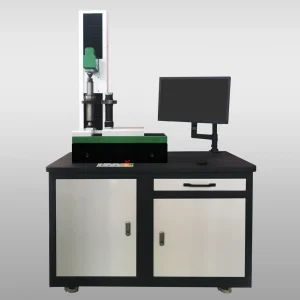
Optical systems scan every lateral flow strip or biosensor card for line intensity and physical alignment. Real-time imaging rejects sub-millimeter defects, maintaining consistent production runs.
Configurable production modules allow facilities to customize cassette shapes, print custom brand designs, adjust test sensitivities, and package tests to meet unique regional requirements.
This automated approach helps mitigate the cost volatility of key raw reagents. By using an ISO 13485 management system, factories ensure that automated processes adhere to standard protocols. The result is a robust supply chain capable of delivering reliable diagnostic solutions to more than 60 countries and regions worldwide.
The regulatory landscape for In Vitro Diagnostics (IVD) is tightening globally, highlighted by the transition to CE-IVDR in Europe and updated clearance pathways in other major markets. Manufacturers must maintain high regulatory compliance to serve international markets effectively.
A quality management system conforming to ISO 13485:2016 is essential for medical manufacturing. This standard covers all phases: design, raw material sourcing, production line assembly, packaging, and post-market tracking. For international distributors, purchasing from an ISO 13485 certified facility simplifies the local registration process with domestic health authorities.
Beyond product certification, localization support is a key differentiator. Top-tier manufacturers provide comprehensive technical support, analytical data packages, and validation reports. This documentation helps local partners secure regulatory approvals in their respective countries.
We believe that global health relies on broad access to reliable diagnostic tools. With the mission "Biotech For A Better Life", Bioantibody supports health initiatives by working to ensure all sectors of society have access to clean, affordable, and reliable biotechnologies.
As global diagnostic usage increases, the environmental impact of plastic test cassettes and packaging waste becomes a growing concern. Forward-looking manufacturers are integrating sustainability into their business strategies.
Economic development must align with ethical standards, safe working conditions, environmental responsibility, and respect for human rights. A sustainable approach ensures equal rights and opportunities across the manufacturing lifecycle.
To support this commitment, Bioantibody has developed a sustainability policy covering environmental and social matters. This framework focuses on reducing waste in raw material synthesis, optimization of reagent usage to lower chemical waste, and eco-friendly packaging initiatives, ensuring diagnostic production remains compatible with environmental stewardship.




 Medvok Medical