Explore our curated selection of high-accuracy medical diagnostic units, sample processing consumables, and laboratory hardware engineered to meet international clinical standards.
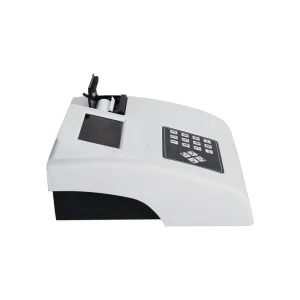
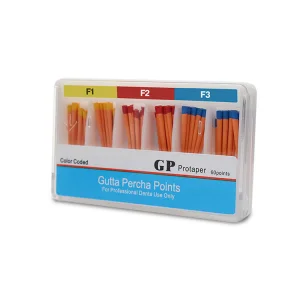
Modern clinical healthcare, biotechnology research, and downstream pharmaceutical manufacturing rely heavily on the accuracy of upstream sample processing equipment. Without stable, contamination-free processing systems, subsequent analytical phases—such as PCR amplification, ELISA assays, and chemical spectroscopy—face a high risk of yielding false positives or negatives. Consequently, international procurement teams are shifting away from localized, fragmented supply lines toward vertically integrated Chinese manufacturers capable of supplying both raw bioreagents and high-precision automation systems.
Today's lab environments demand strict compliance, precise mechanical repeatability, and robust high-throughput capabilities. Whether sourcing microfluidic rapid test tubes for field diagnostics or cleanroom-certified injection-molded components for medical cassettes, sourcing managers require partners with ISO-certified production spaces and strong, domestic supply networks.
Operating a high-throughput diagnostic or life sciences lab requires synchronized, end-to-end processing pipelines. From initial extraction to clinical reporting, every mechanical interface must maintain perfect structural integrity and high chemical resistance.
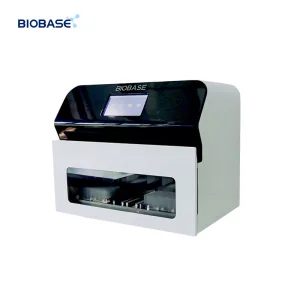
Before nucleic acids or proteins can be analyzed, biosamples must be homogenized, lysed, and purified. Systems like automated nucleic acid extractors and high-speed centrifuges eliminate human handling errors, protecting laboratory personnel from biohazards while securing trace nucleic acid samples.
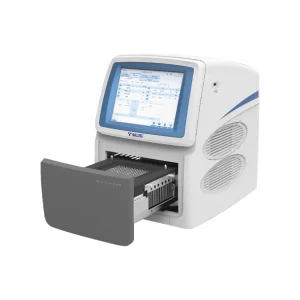
Fully automated Chemiluminescence Immunoassay (CLIA) systems and multi-channel Real-Time PCR platforms deliver high-throughput run capacities. Utilizing high-affinity antibodies and antigens is key to maximizing assay sensitivity and specificity in these systems.
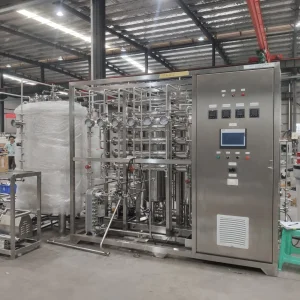
High-purity reverse osmosis (RO) systems, built with electropolished 316L stainless steel, supply the pure water needed for diagnostic reagents, automatic water baths, and analytical washing steps, keeping systems free of heavy metal contamination.
At the center of China’s biotechnology innovation, Ningbo Medvok Medical Co., Ltd. stands as a key partner for clinical diagnostics. Bioantibody is a high-tech biotechnology company focused on the R&D and production of antigens, antibodies, and downstream detection reagents for diagnosis and therapy. Our comprehensive product pipelines cover cardiovascular and cerebrovascular conditions, inflammation, infectious diseases, tumors, hormones, and other clinical categories—managing the entire lifecycle from raw materials to finished diagnostic products.
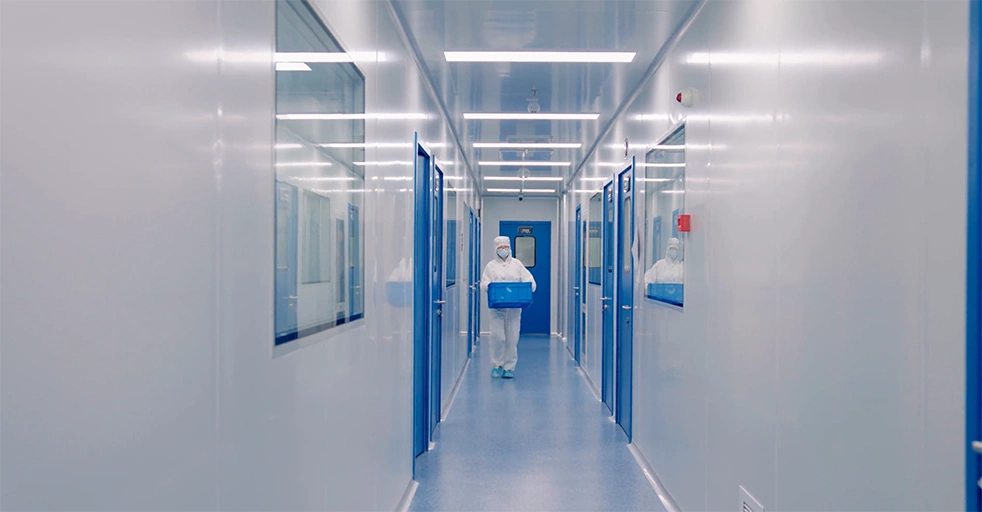
Innovation is in our DNA! Bioantibody is dedicated to developing new biotechnology applications. Today, our products are delivered to more than 60 countries and cities worldwide. Driven by an ISO 13485 quality management system, our product quality has earned deep trust from international buyers. Guided by our mission, "Biotech For A Better Life", we focus on continuous innovation to deliver robust solutions to our global clients, contributing to human health and environmental sustainability.
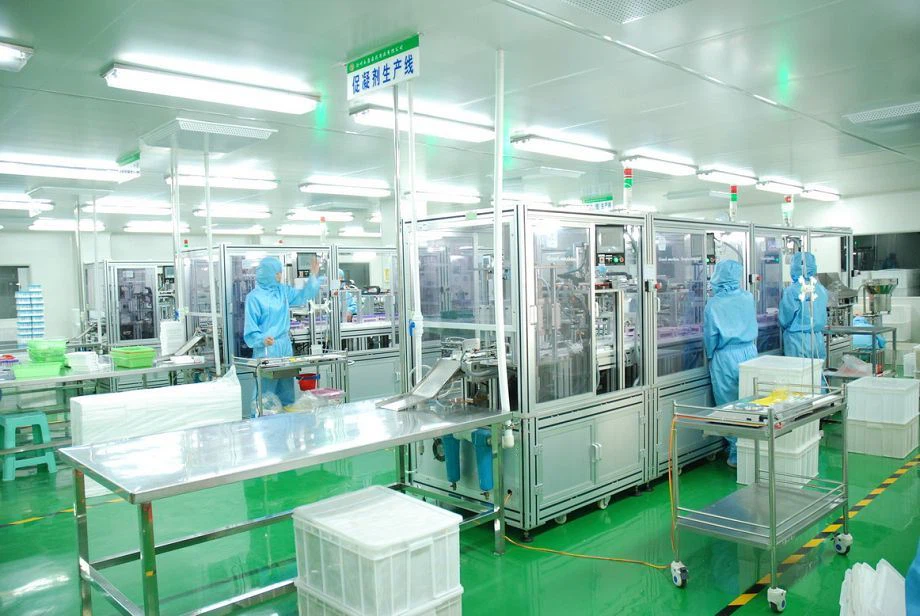
As an IVD solutions provider, we work closely with the global research community to support knowledge sharing and promote disease prevention. We believe a well-informed society is a healthier society. We care deeply about human health and strive to ensure that communities worldwide have access to clean, affordable, and reliable biotechnologies.
Furthermore, our economic development is built on ethical business practices, social responsibility, workspace safety, environmental stewardship, and respect for human rights. We view society as a group of individuals with equal rights and opportunities. To back this commitment, we have implemented a comprehensive sustainability policy across all environmental and social aspects of our business.
As diagnostic labs scale up to manage higher daily workloads, the technical roadmap for sample processing equipment is shifting toward smart integration, miniaturization, and green technology:
For procurement managers in regions like the EU, North America, and South America, acquiring diagnostic equipment from China requires strict regulatory verification. Below is a checklist of critical requirements for international compliance:
Ensure facilities hold an ISO 13485 certification, which specifies a comprehensive quality management system for the design and manufacture of medical devices.
Products must carry appropriate CE marks, FDA registrations, or local health authority approvals relevant to the destination market.
Verify that downstream reagents and antigens are fully traceable, ensuring consistent lot-to-lot performance and reliable supply lines.
Browse our comprehensive catalog of clinical analyzers, imaging hardware, dental materials, and industrial purification systems built for demanding applications.

 Medvok Medical