Dry Electrode Manufacturing Technology Solution

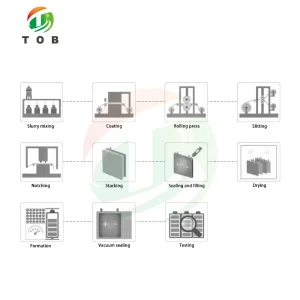
Traditional lithium-ion battery electrodes are coated by the wet method. This involves mixing active material, conductive agents, and binders in a solvent, then coating the current collector foil using slot die or transfer coating machines. However, this method faces challenges such as long drying times and the need for solvent recovery, significantly increasing production costs and process complexity.
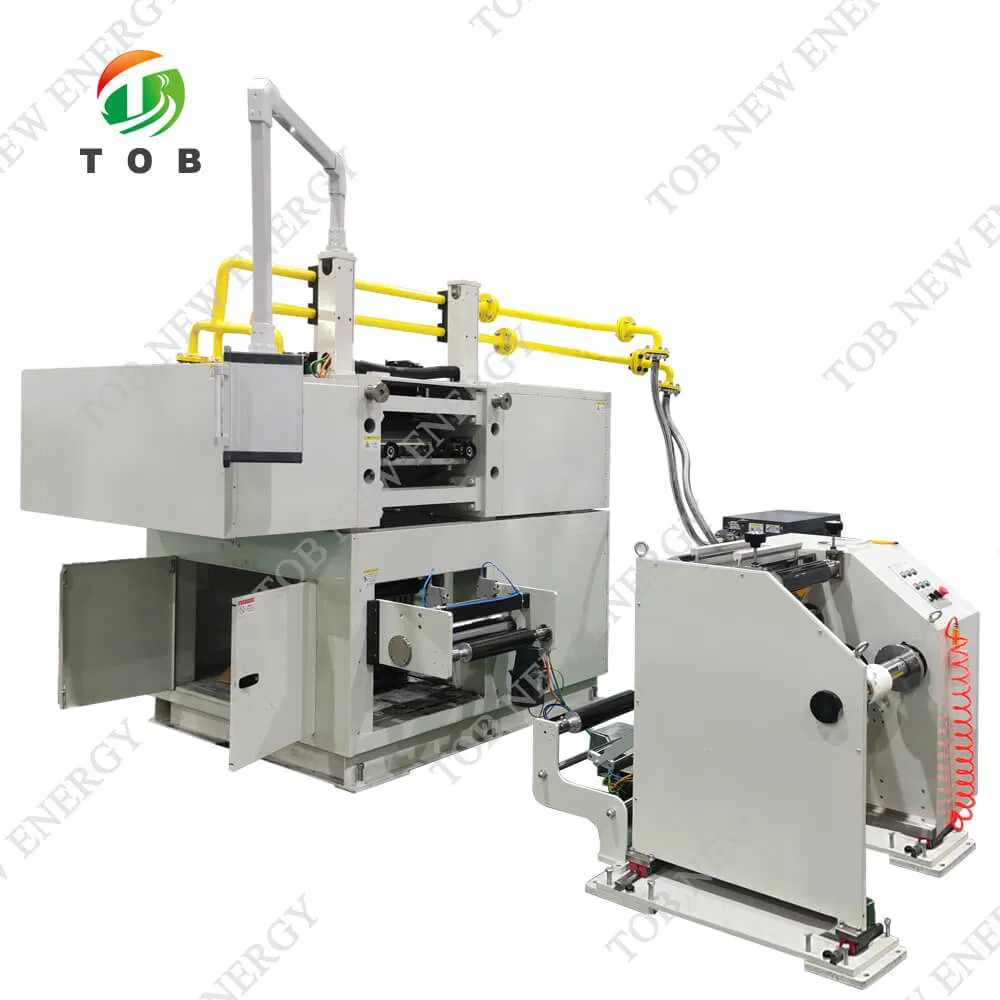
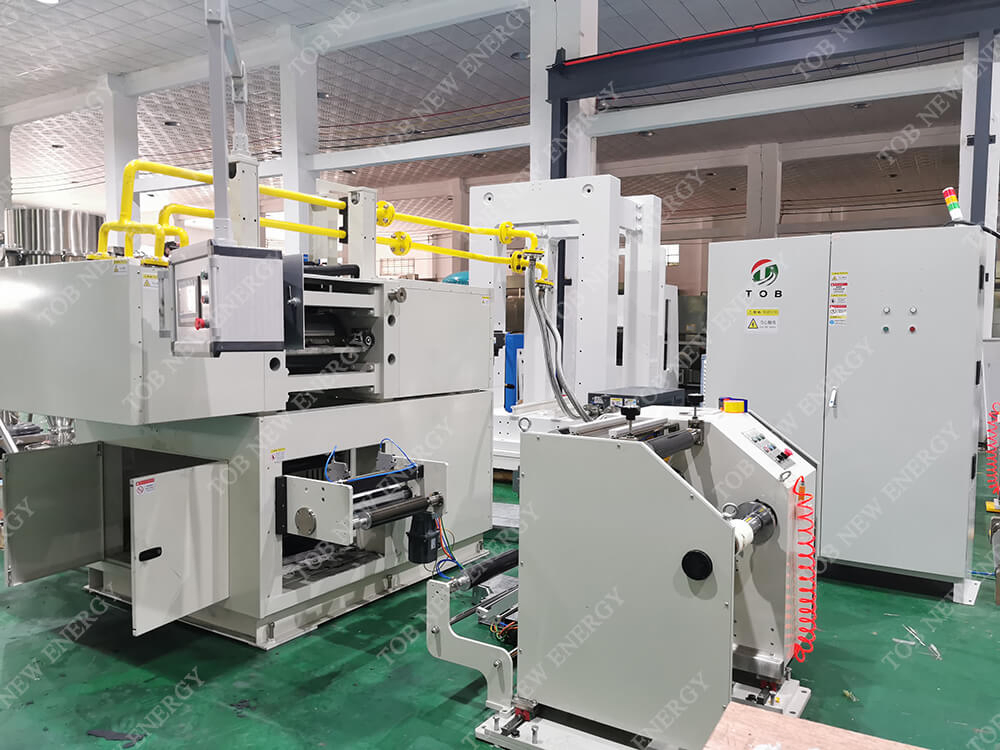
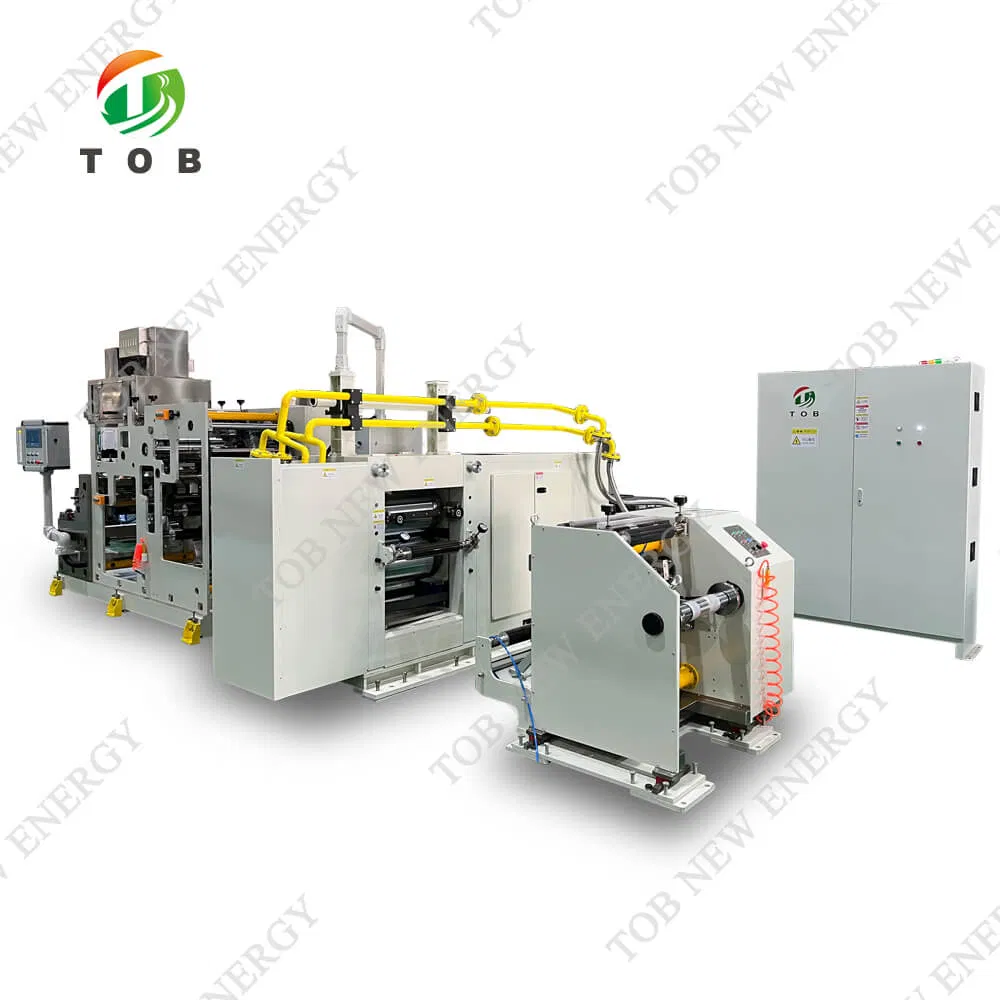
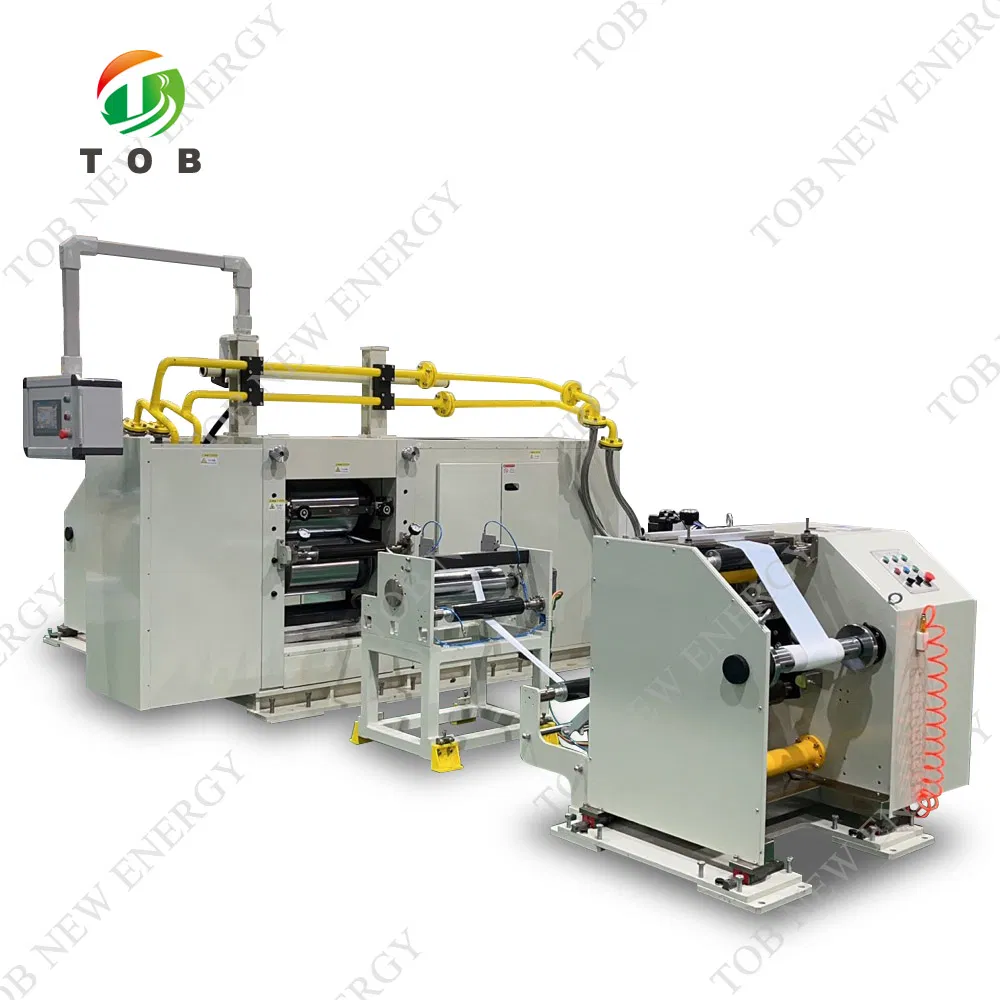
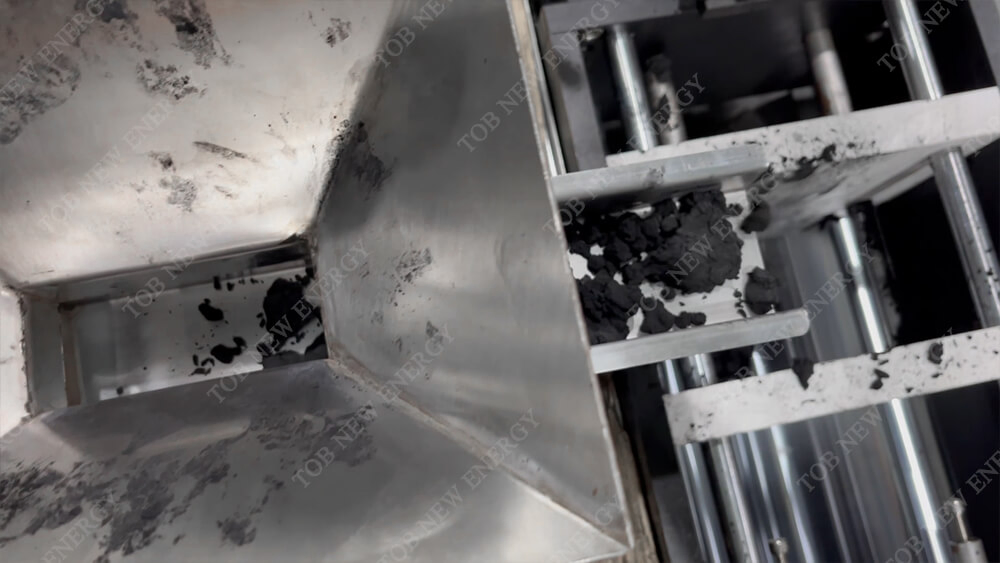
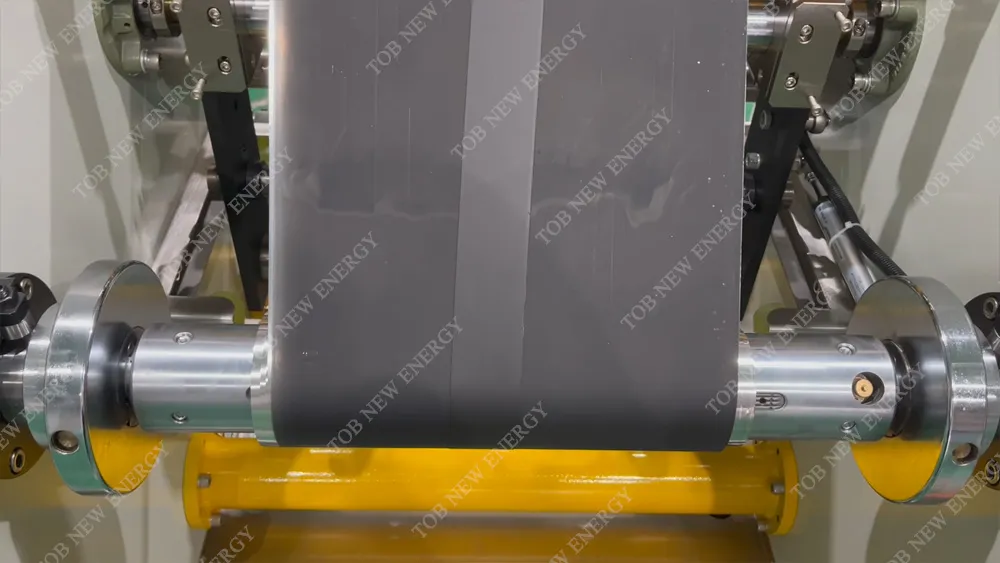
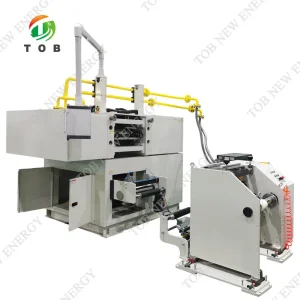
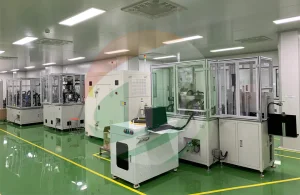
Dry electrode technology utilizes high-speed mixing of PTFE binder, active material, and conductive agents. The mixture is processed through a roller press machine and then laminated onto a current collector foil coated with conductive adhesive. This solvent-free process helps extend battery capacity and cycle life.
Three Key Manufacturing Steps
-
1
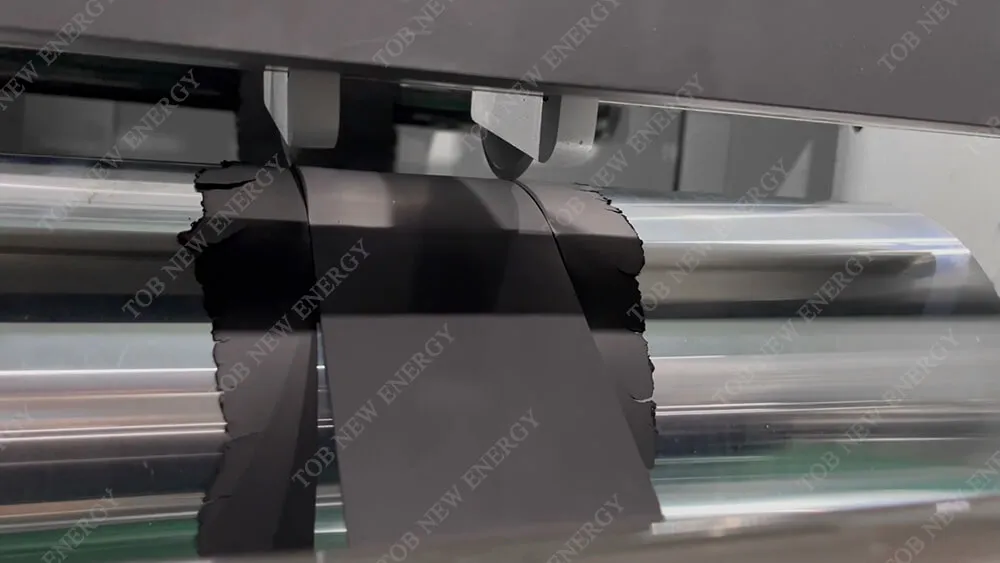
Pressing dry electrode powder into thin semi-finished films.
-
2
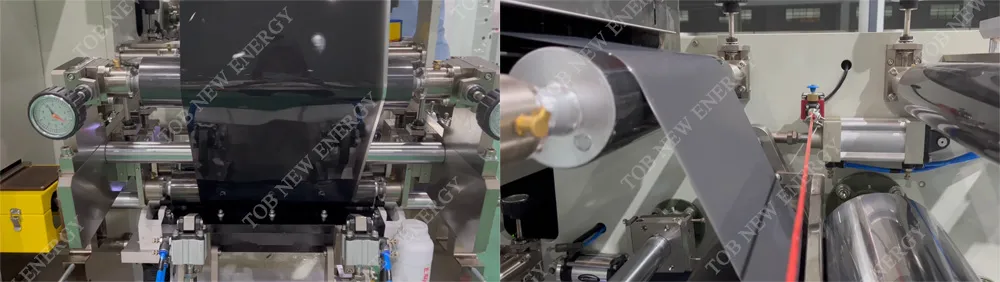
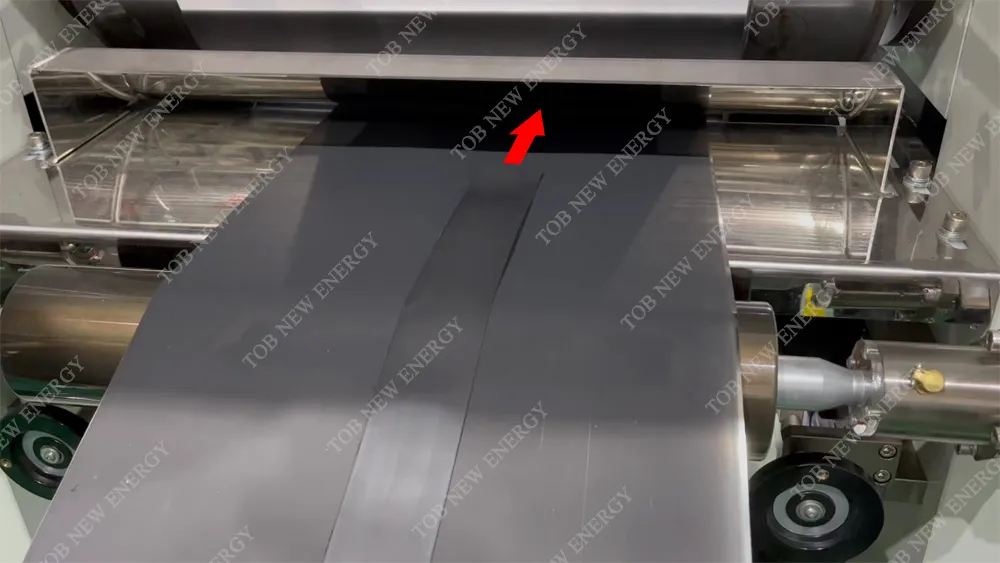
Rolling the semi-finished film to the precise required thickness.
-
3
Coating the current collector foil with conductive adhesive and laminating it with the dry electrode film.

Frequently Asked Questions
What are the primary benefits of dry electrode technology?
It eliminates the need for organic solvents, reducing drying time and energy consumption while enhancing the battery's energy density and cycle life.
How does this process reduce production costs?
By removing the solvent recovery system and the massive drying ovens required in wet coating, the footprint and operational costs are significantly lower.
What binder is used in the dry electrode process?
The process typically uses PTFE (Polytetrafluoroethylene) as a binder due to its ability to fibrillate under mechanical shear, holding the active materials together.
Is this technology compatible with existing current collectors?
Yes, the dry electrode film is laminated onto standard current collector foils that have been pre-coated with a conductive adhesive to ensure good contact.
What is the production capacity of this system?
The standard automated production line can produce up to 10,000 pieces per year, depending on specific battery specifications and configurations.
Is the dry electrode process more environmentally friendly?
Yes, because it eliminates Toxic NMP (N-Methyl-2-pyrrolidone) solvents, it reduces hazardous waste and simplifies the manufacturing environmental controls.
 Medvok Medical