Medvok Medical
1 / 5
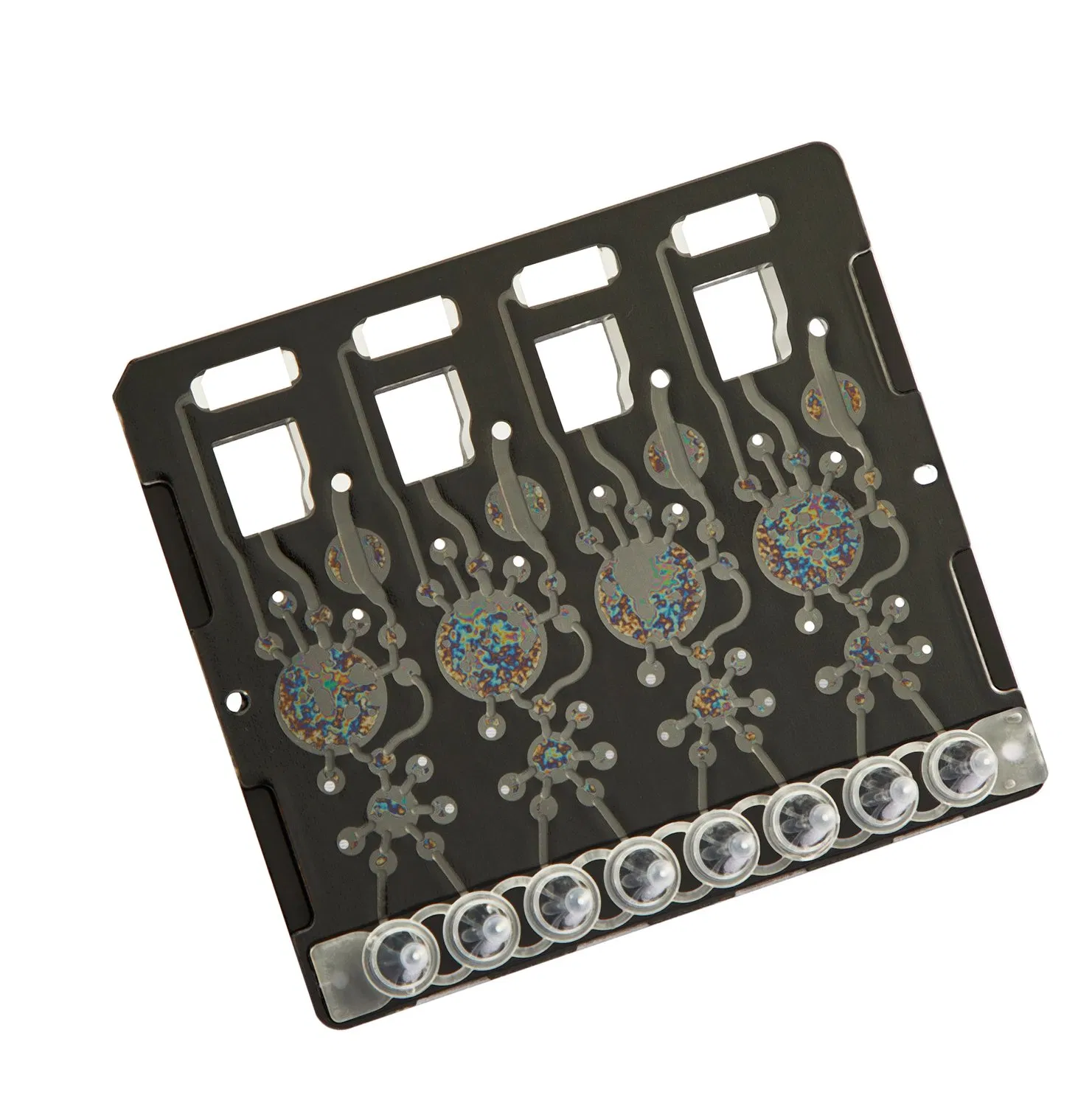
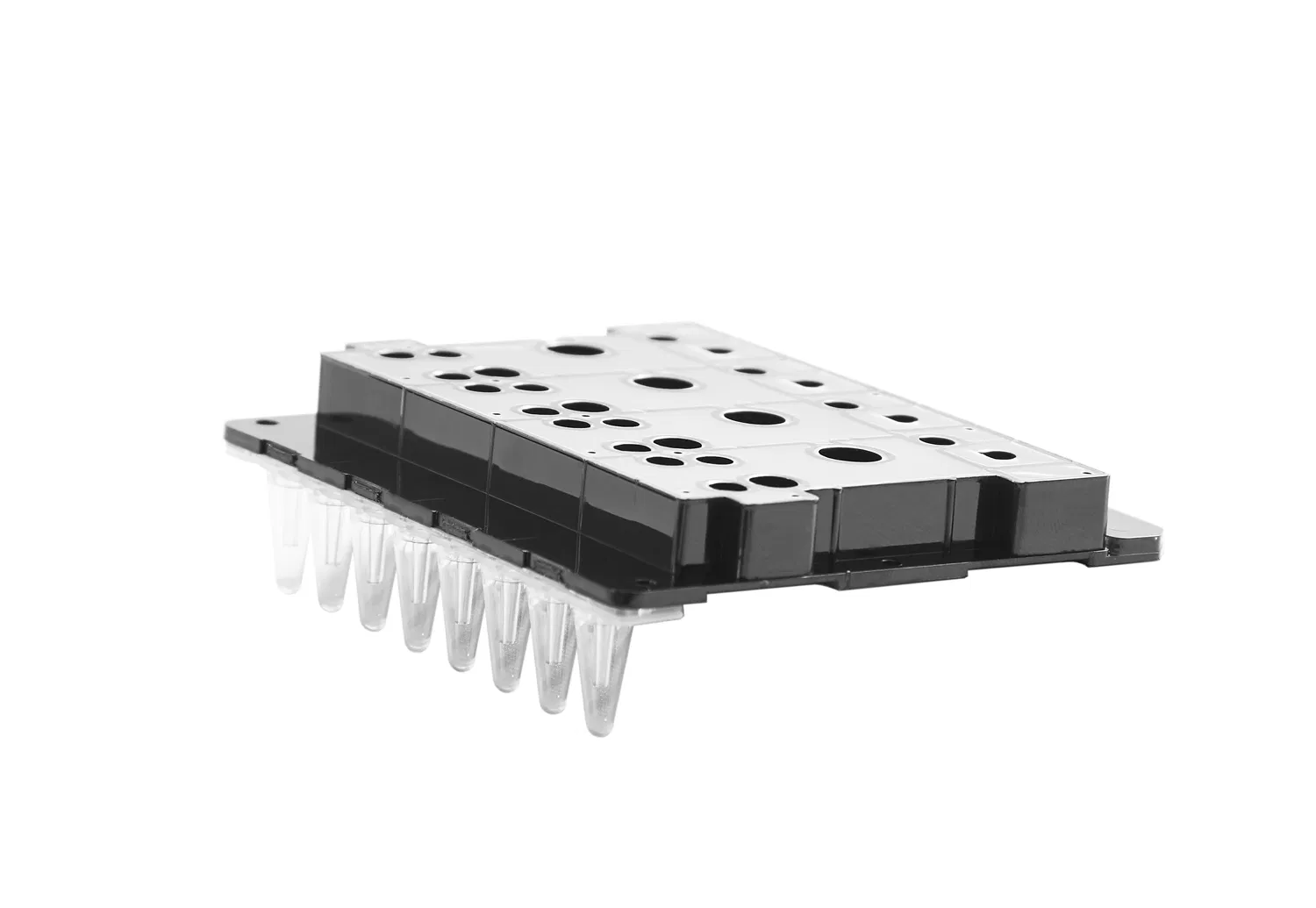
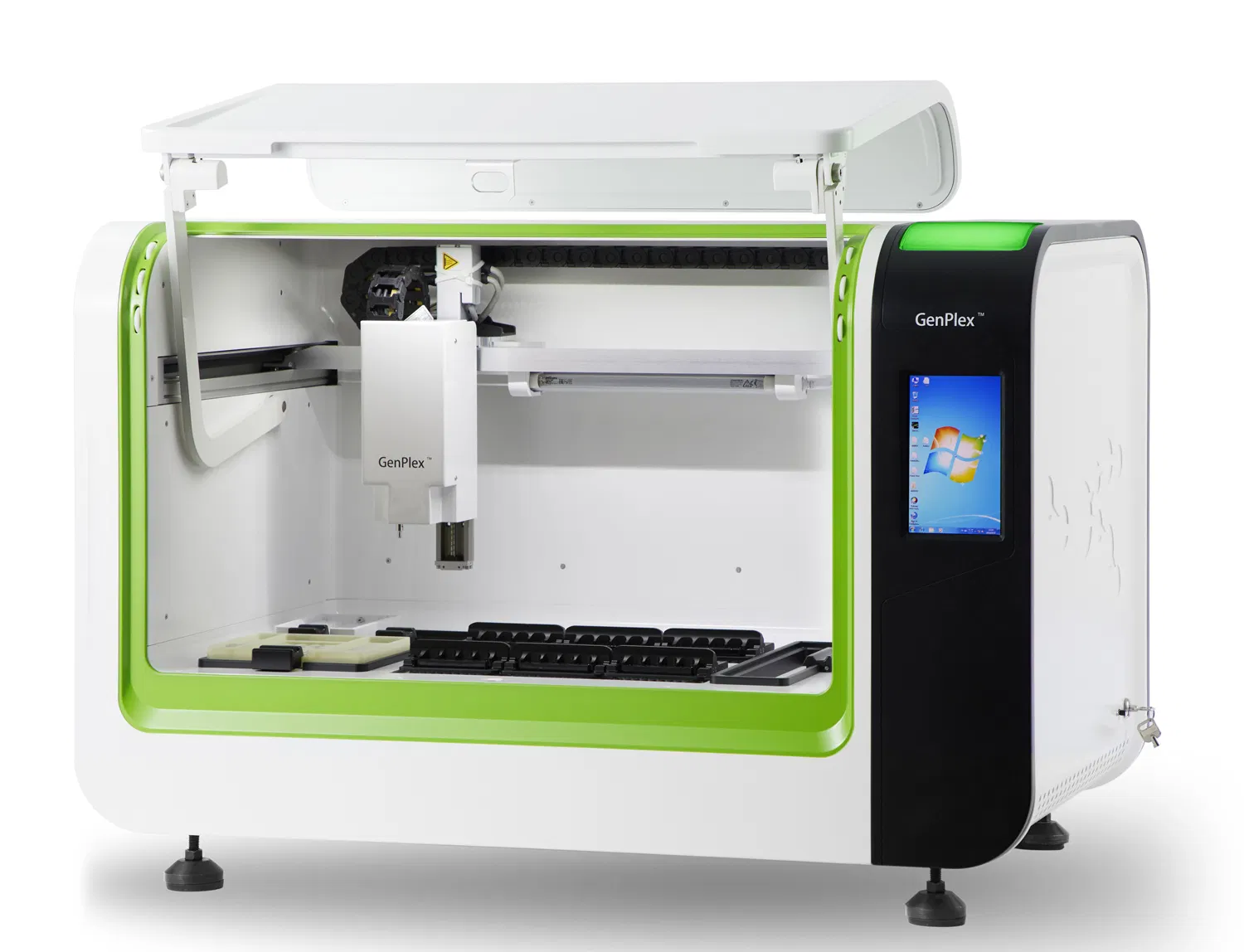
The instrument utilizes reverse hybridization for virus sub-type analysis. After adding specimens, the instrument adds reagents, extracts DNA, amplifies PCR via micro-pumps, and transfers products to the test area. If target genes are present, they bind to probes, revealing spots post-coloration to identify virus sub-types. Negative specimens show no spots.
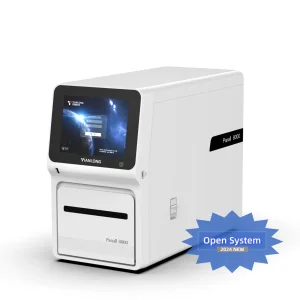
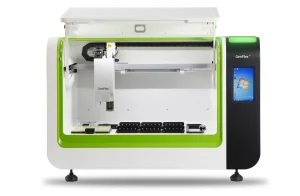
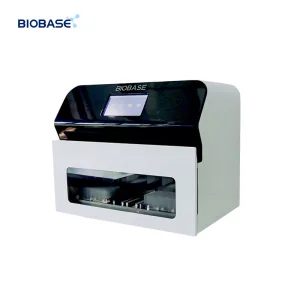
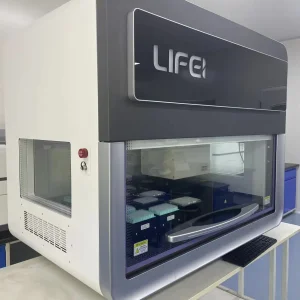
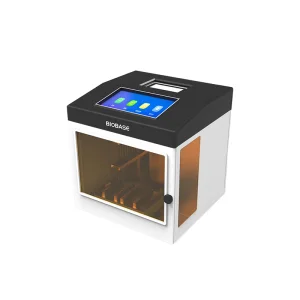
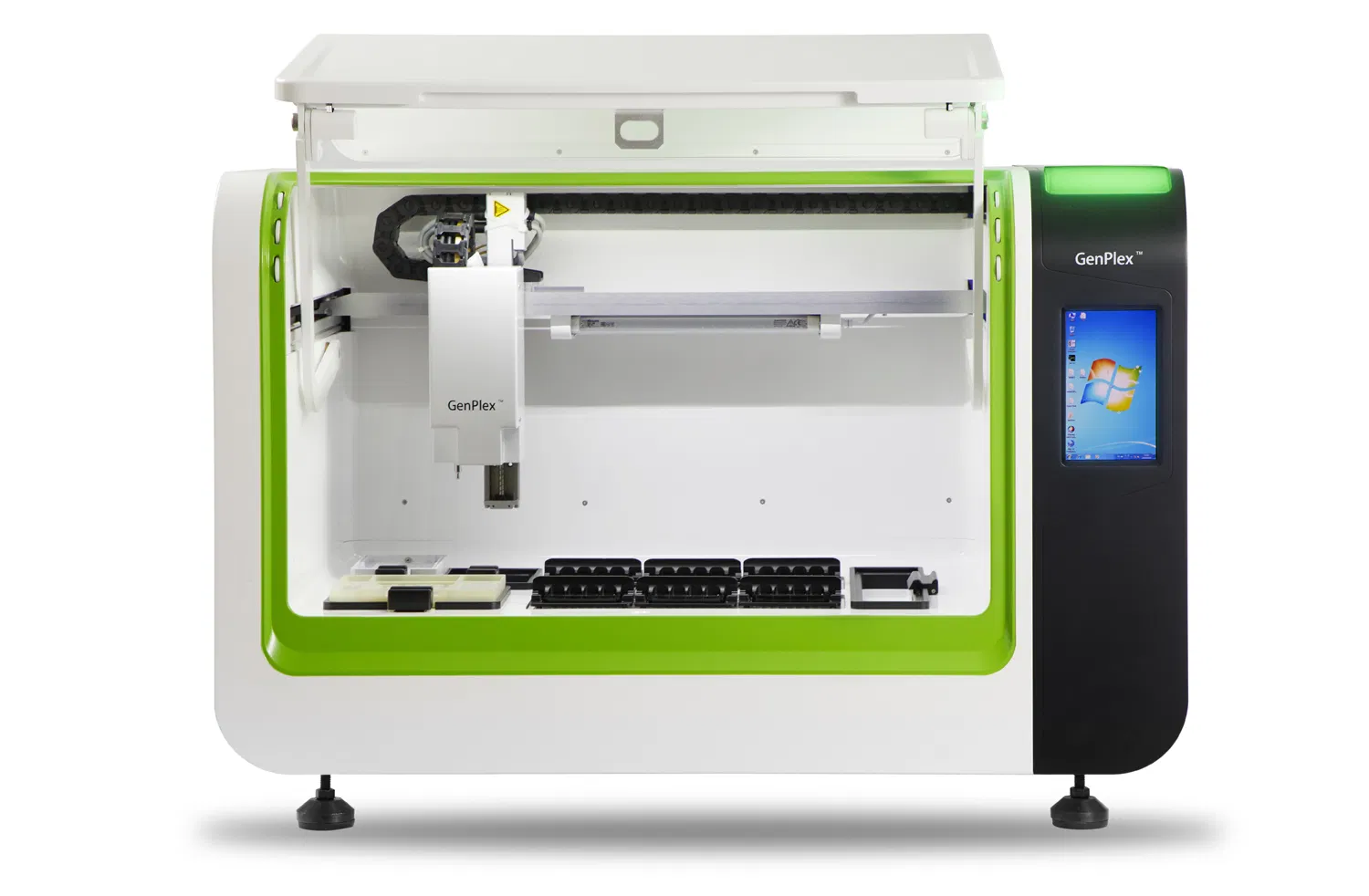
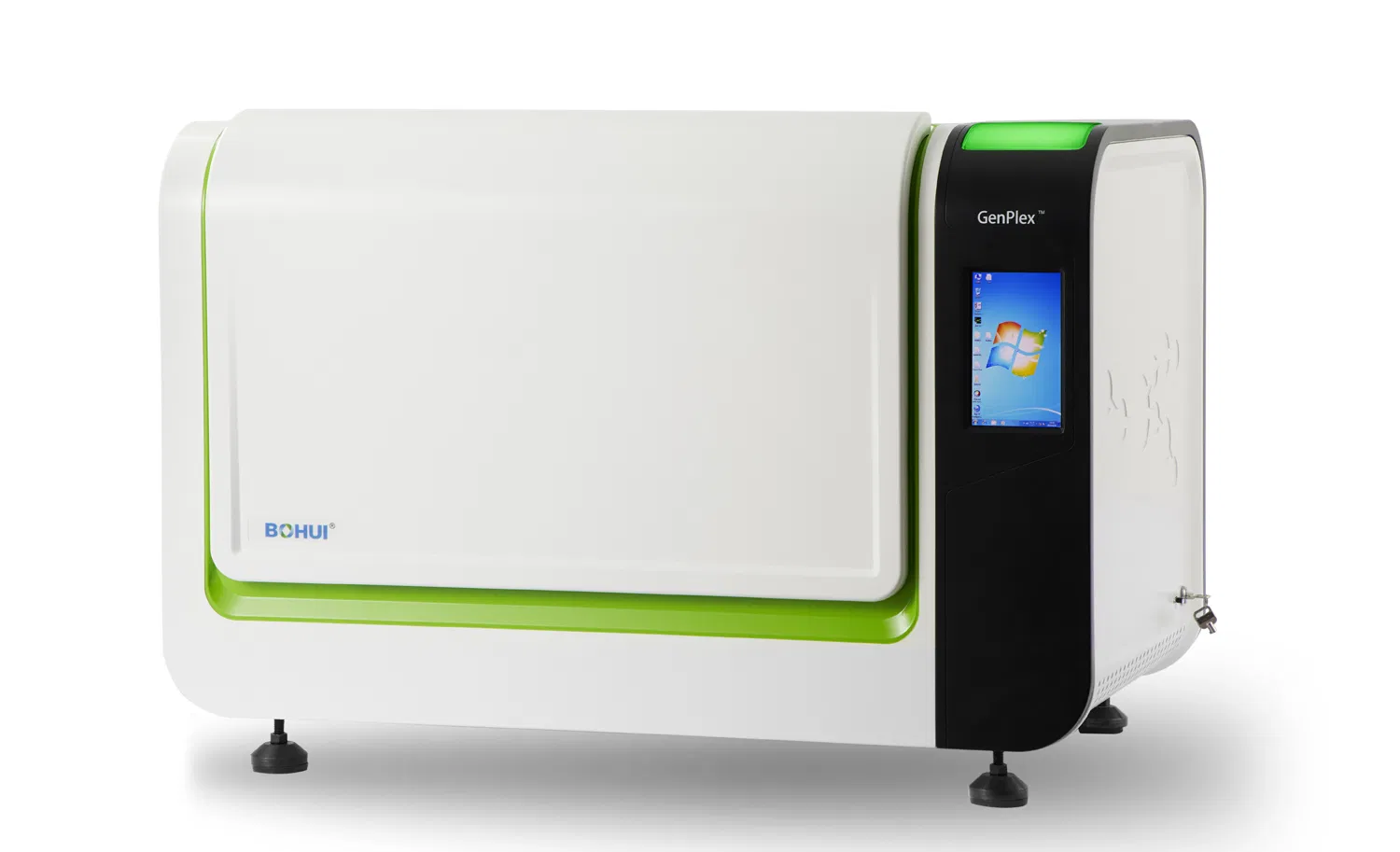
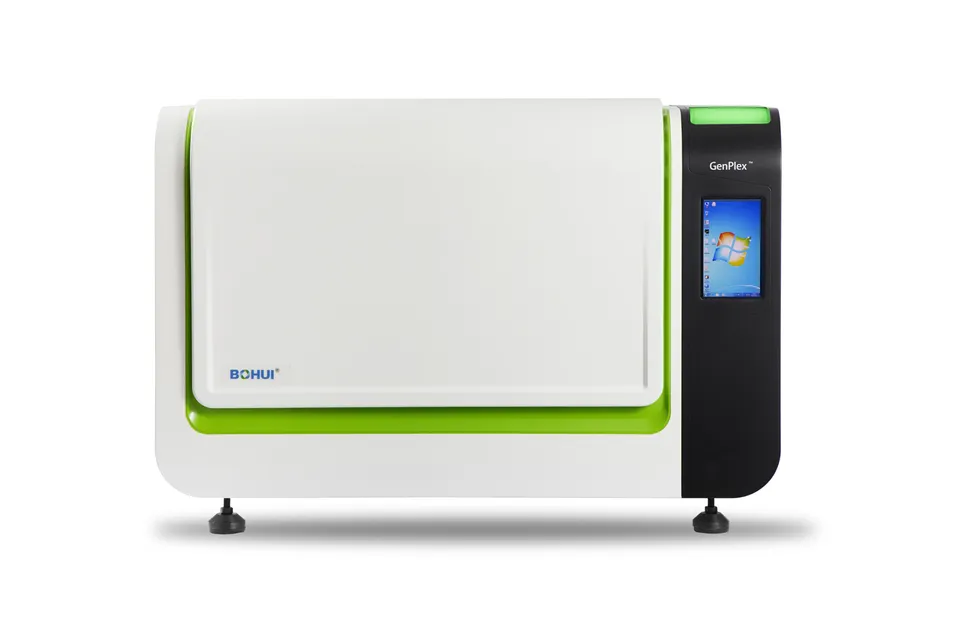
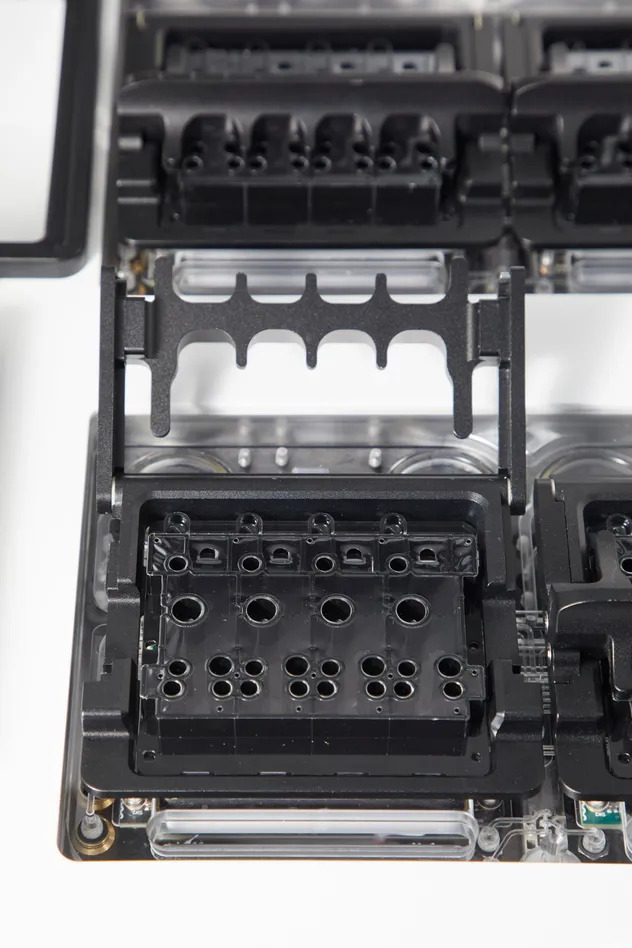
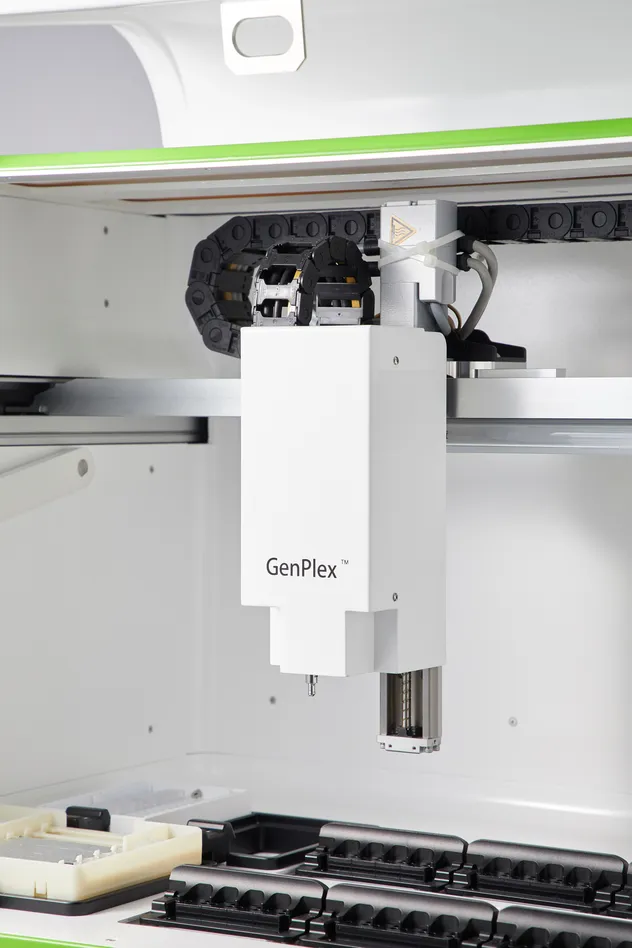
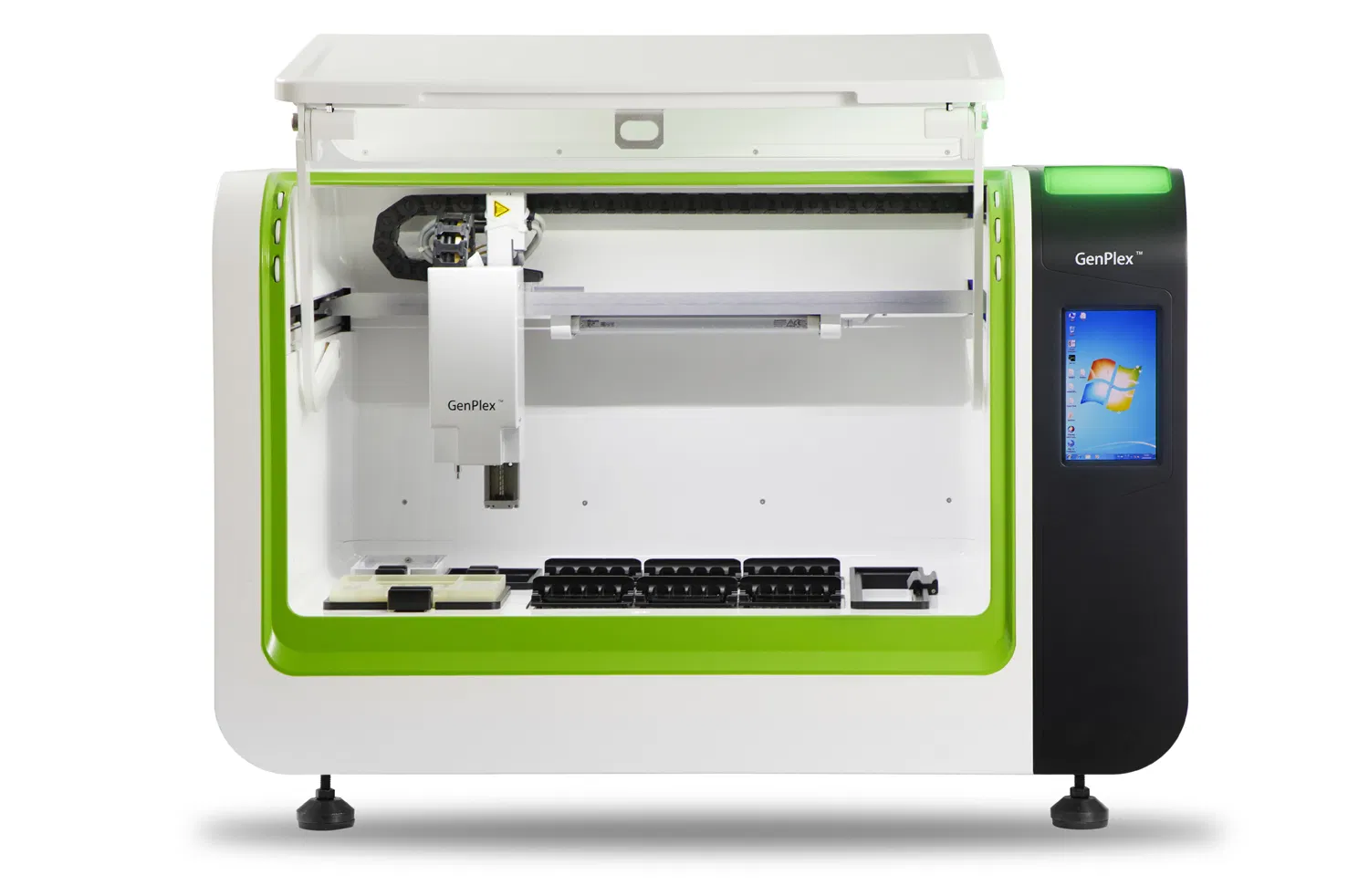
The analyzer comprises a host unit and optional printer. The host unit features high-precision systems including an image display, automated reagent dispensing, pneumatic control (positive/negative pressure), temperature control, image detection, and a 3D movable platform system.
Sample Type: Exfoliated cervical epithelial cells.
Application: Ideal for nucleic acid detection and clinical screening, including high-accuracy HPV testing.
| Parameter | Specification |
|---|---|
| Model | BHF-VI |
| Detection Platform | PCR & Reverse dot blot hybridization |
| Detection Modules | 6 Modules |
| Sample Capacity | 24 |
| Heating Rate | ≥1.5 ℃/s (50℃ to 90℃) |
| Cooling Rate | ≥1.5 ℃/s (90℃ to 50℃) |
| Electrical Specification | 230V, 50Hz, 600VA |
| Dimensions | 1000 x 610 x 690±10 (mm) |
| Weight | ≤80kg |


Founded in 2001, the group has grown into a leading high-tech biomedical company, integrating R&D, production, and service. With a 40,000 sqm R&D center, the company excels in independent R&D with a dedicated team. Innovation has led to the development of platforms like molecular diagnosis, immunoassay, atomic absorption, and mass spectrometry.


The microfluidic nucleic acid testing products, described as a "laboratory on a chip," serve diverse health institutions worldwide. The human trace element detection system is utilized in over 4,000 hospitals, processing millions of tests annually. The focus remains on providing superior life science products and exceptional user experiences through continuous technological advancement.