Medvok Medical
1 / 5
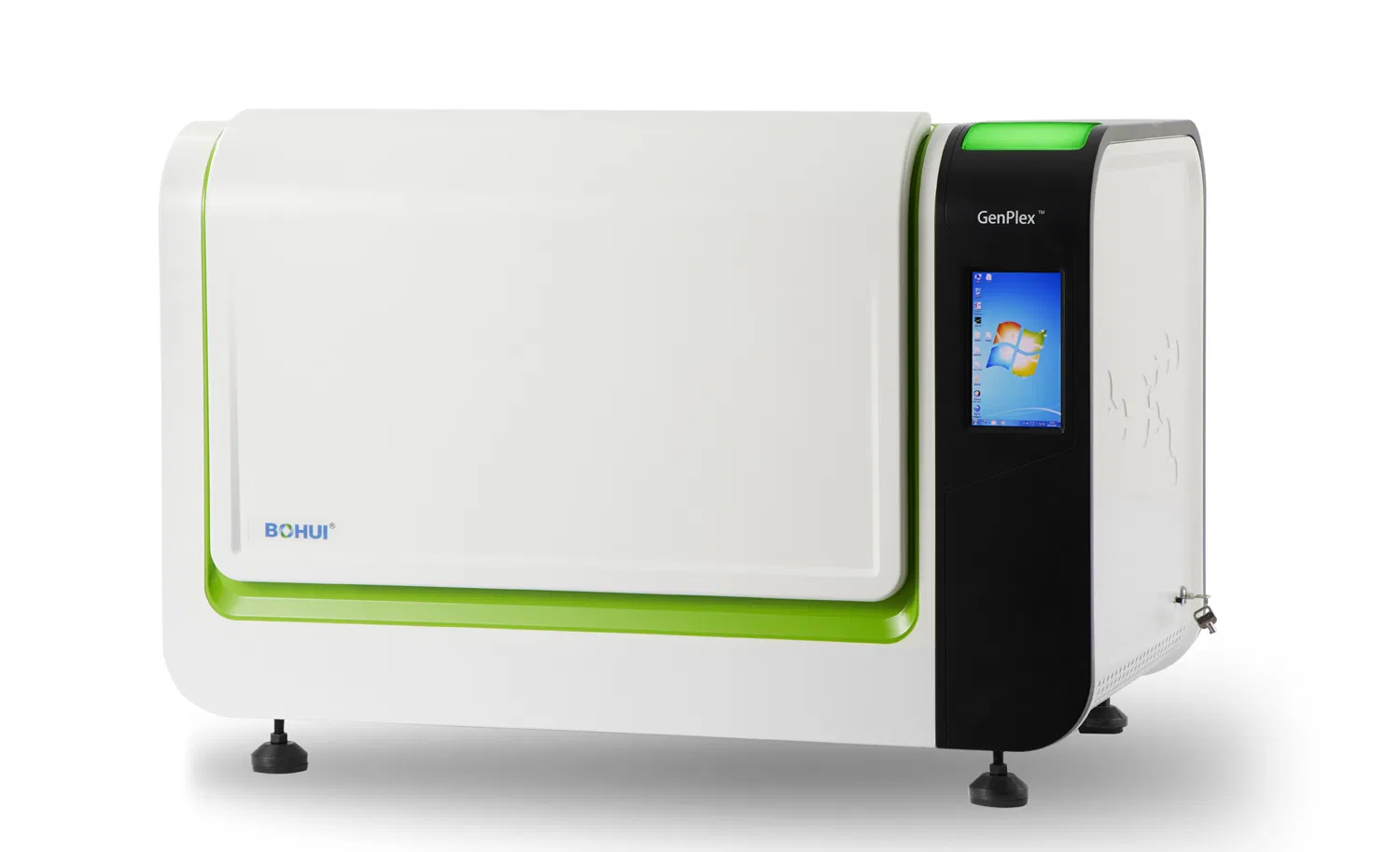
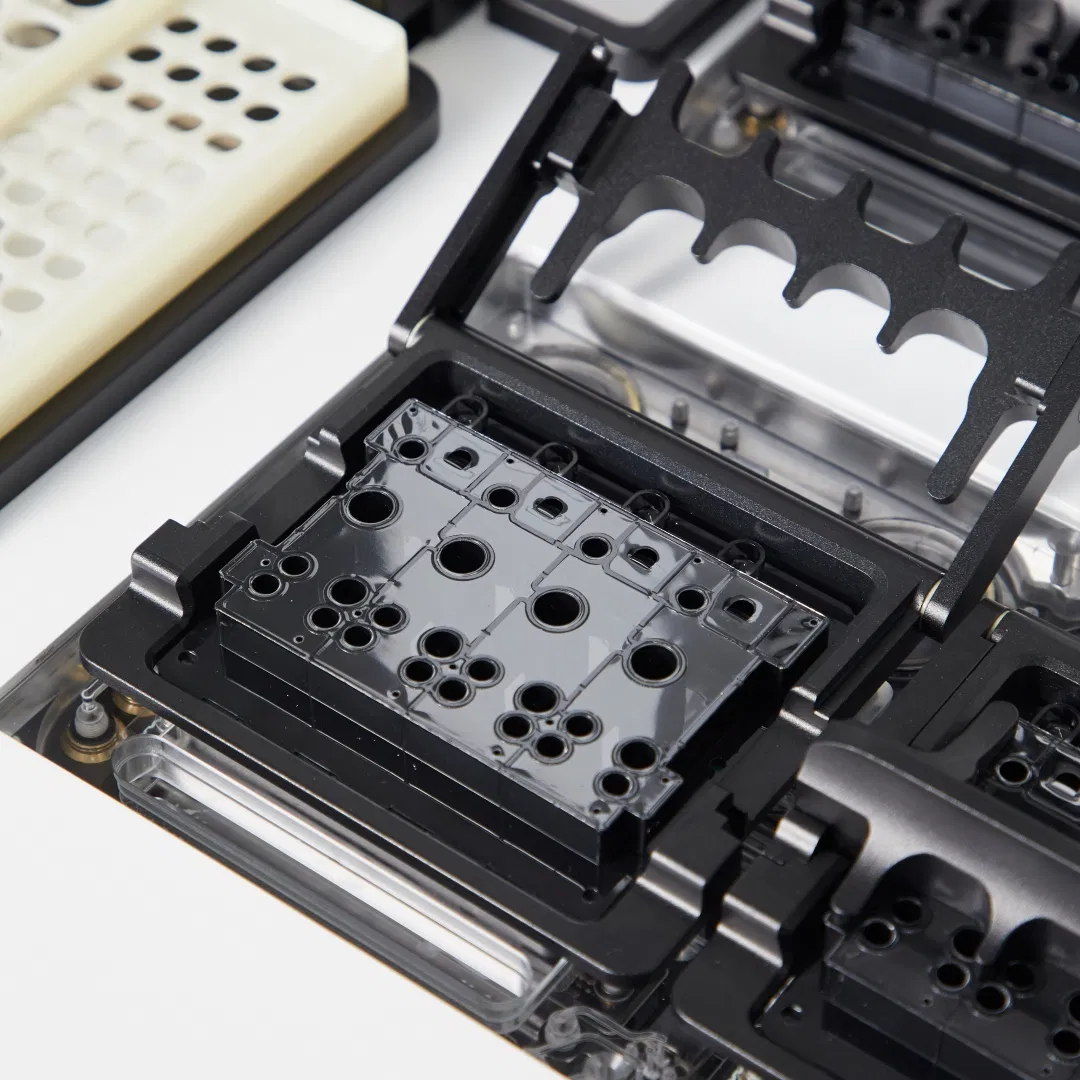
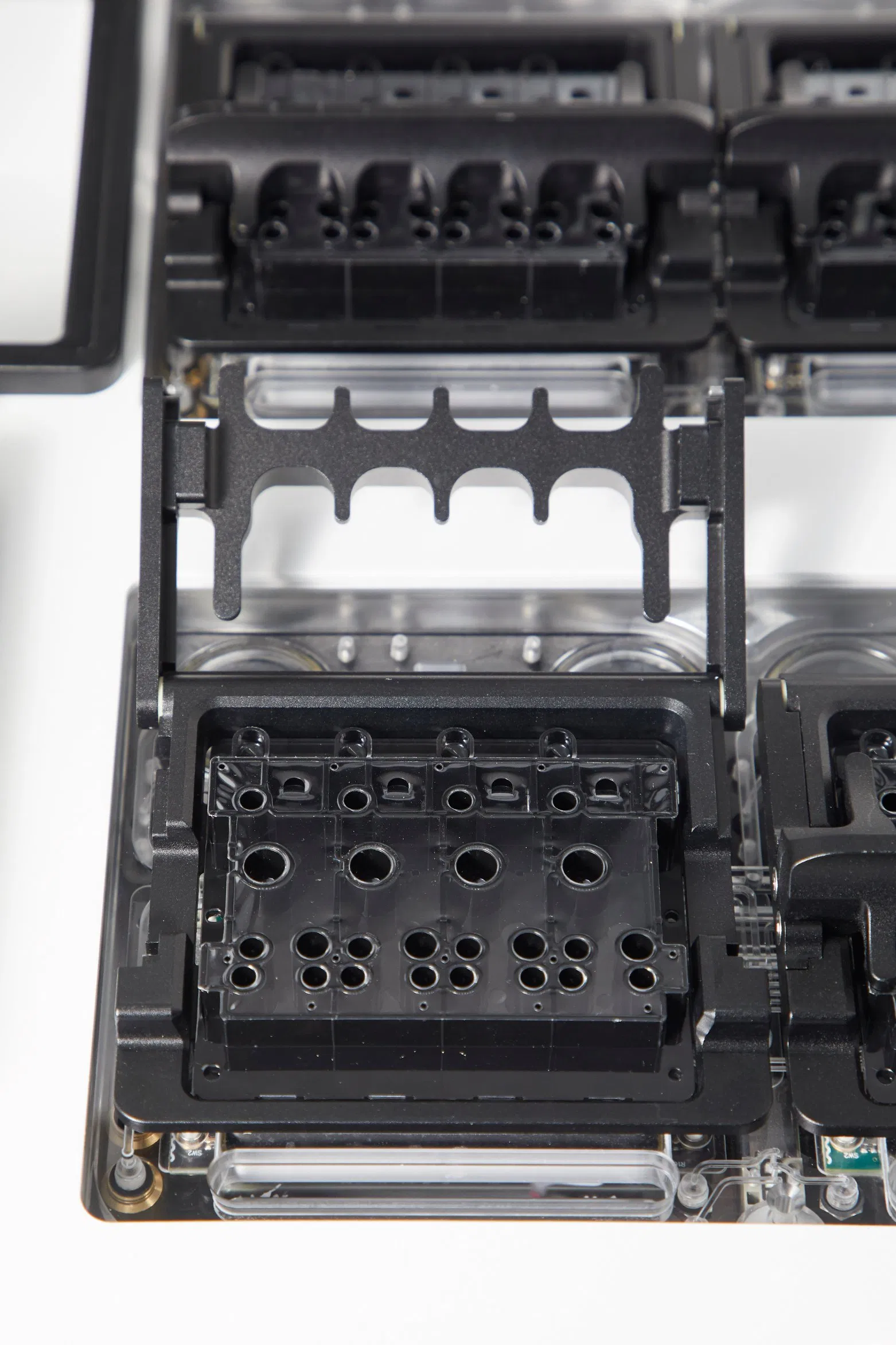
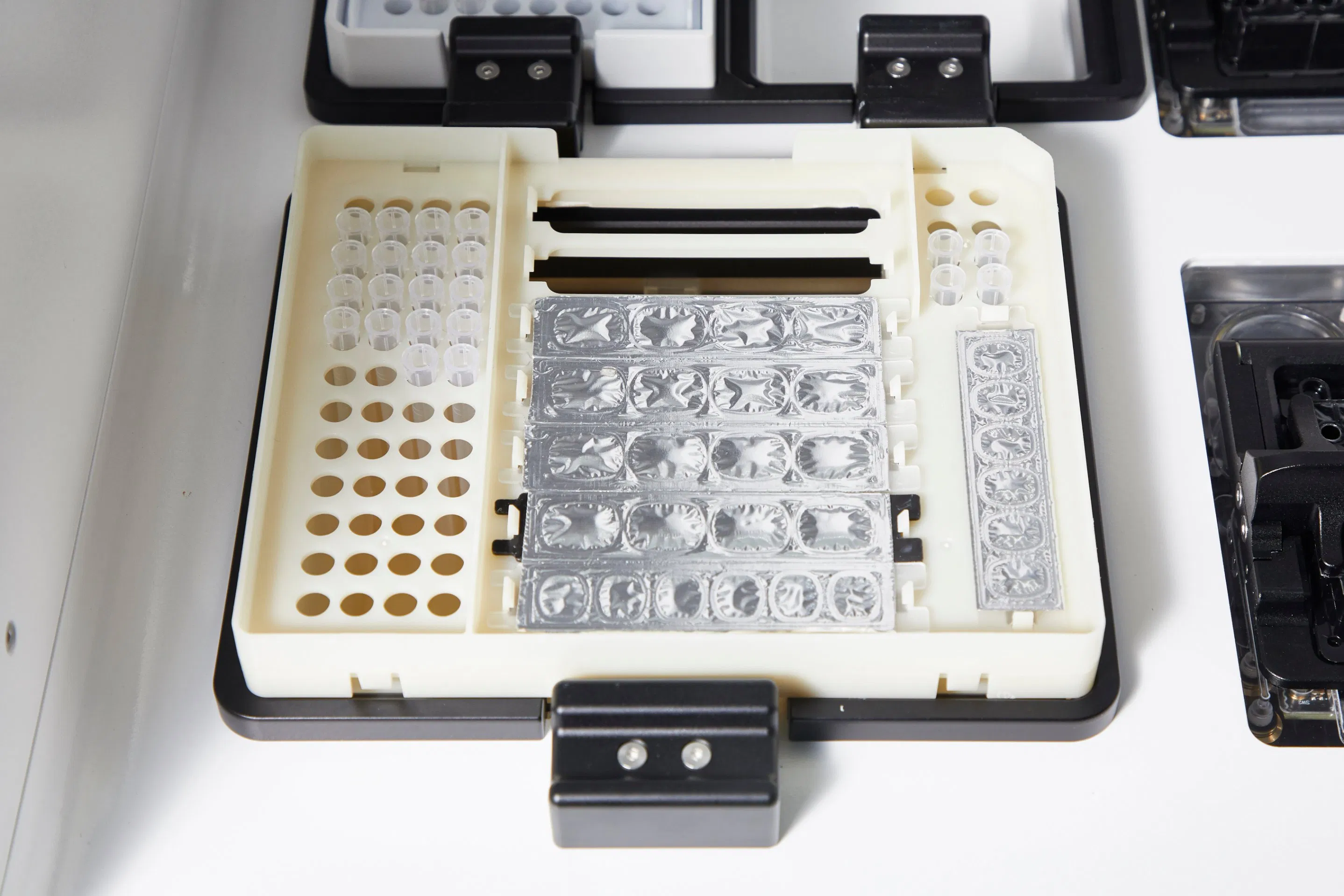
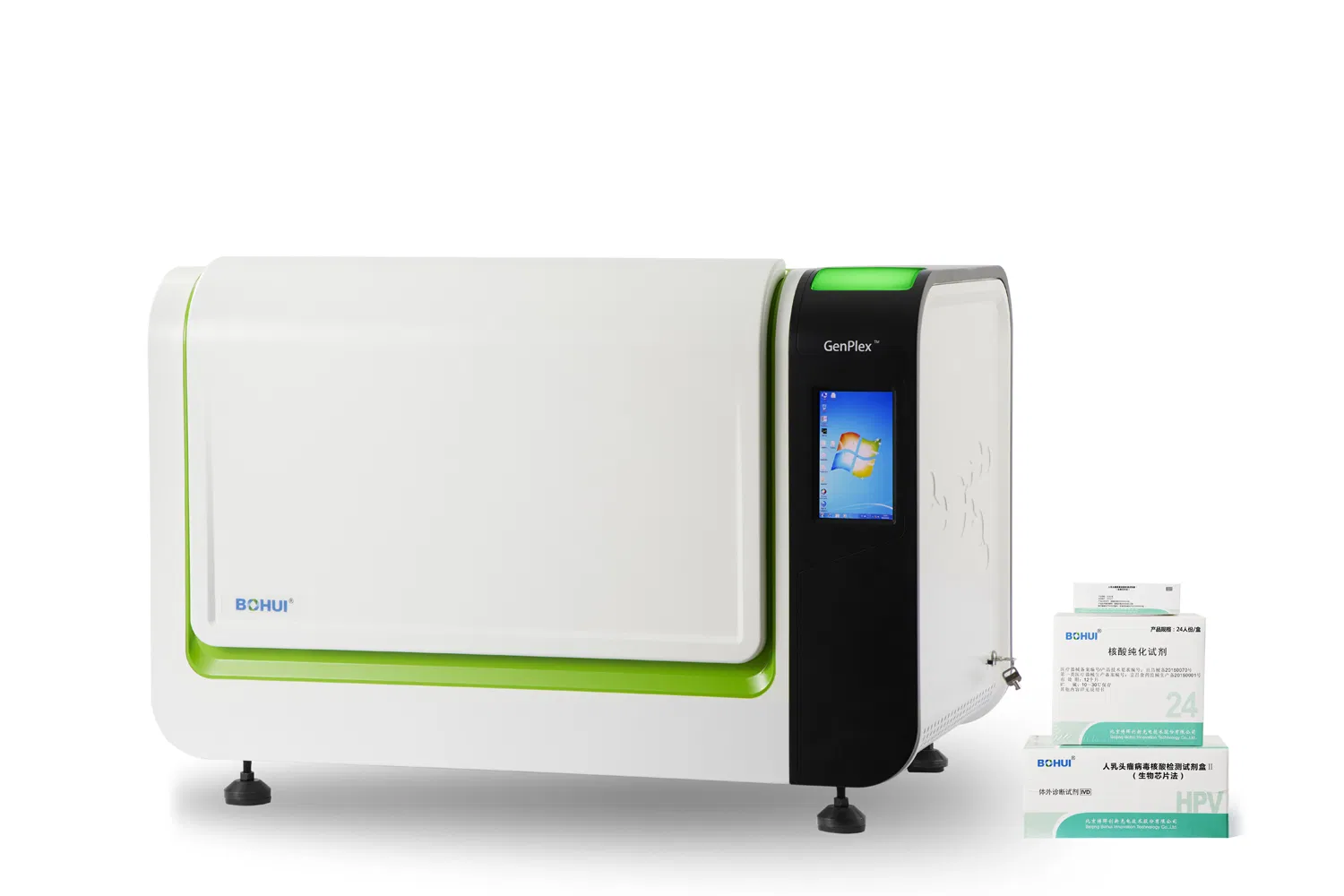
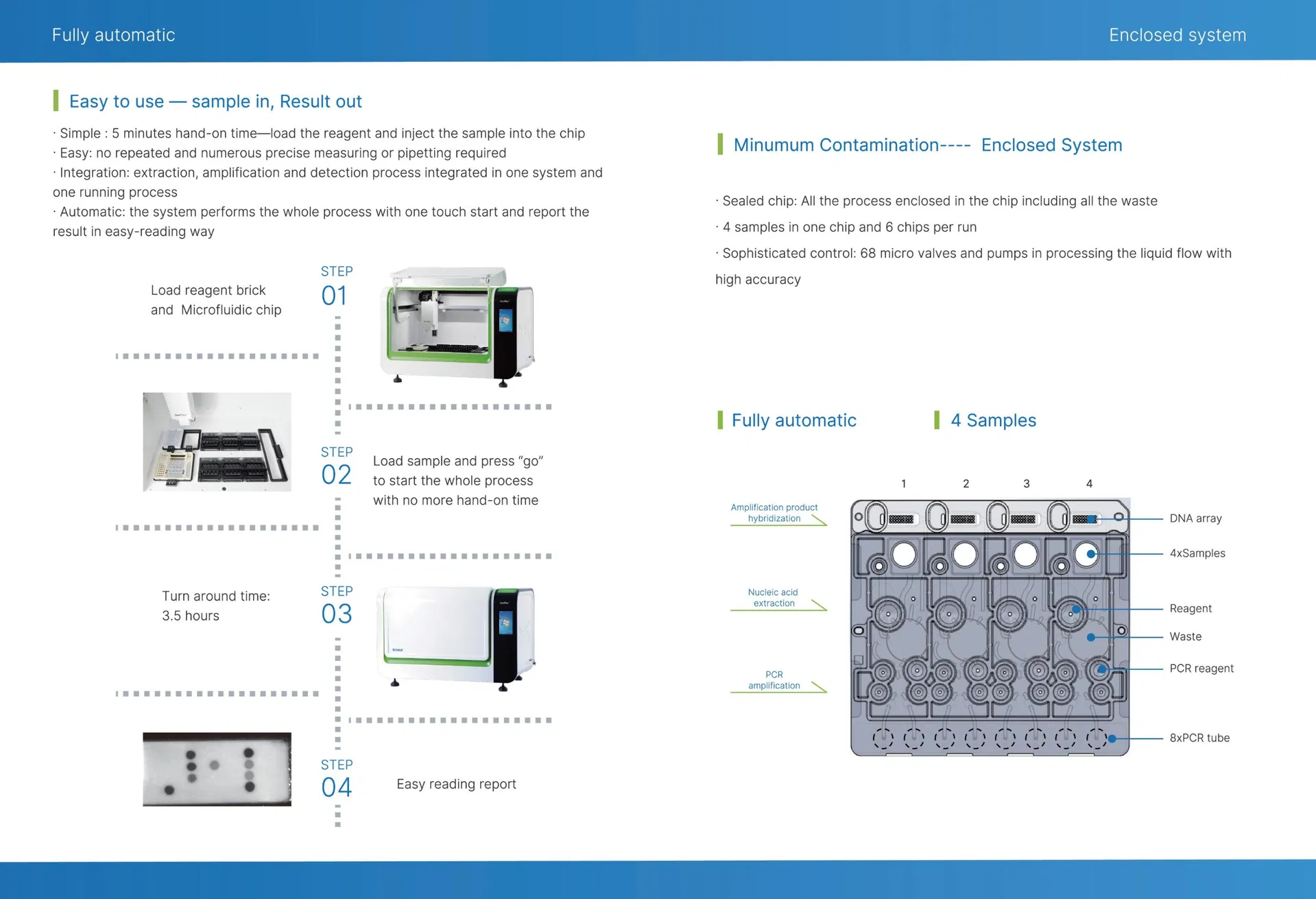
The instrument utilizes reverse hybridization for qualitative virus sub-type analysis. Specimens are processed through an automated system that adds reagents, extracts DNA, and amplifies PCR via micro-pumps. Amplified products are then transferred to the test area for reverse hybridization. Target gene products are captured by specific probes, displaying visible spots after coloration to identify the virus sub-type. Negative specimens remain clear of spots.
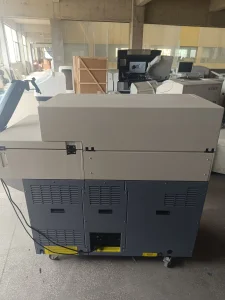
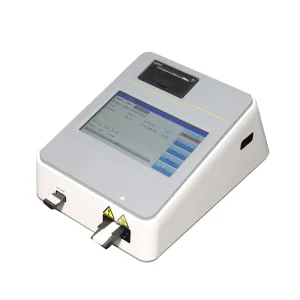
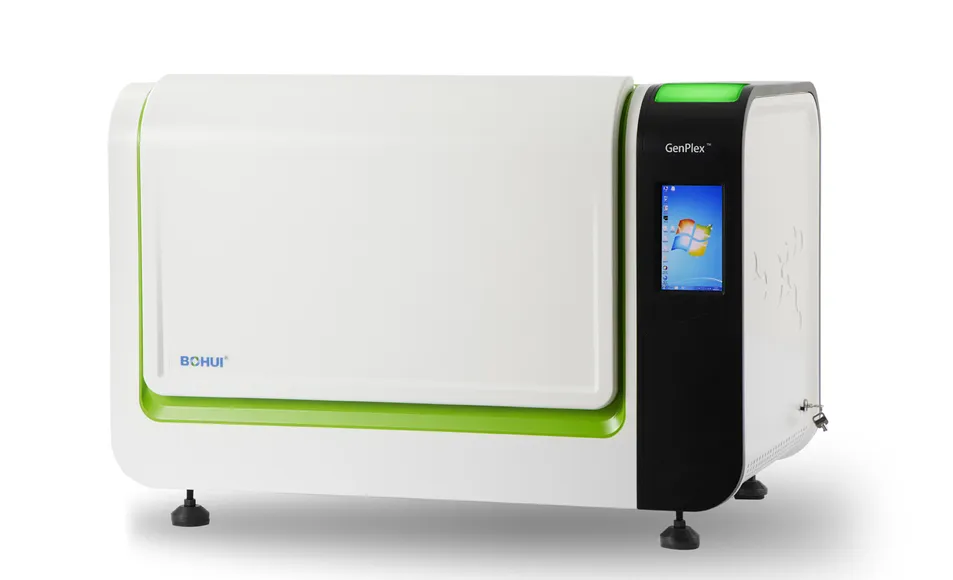
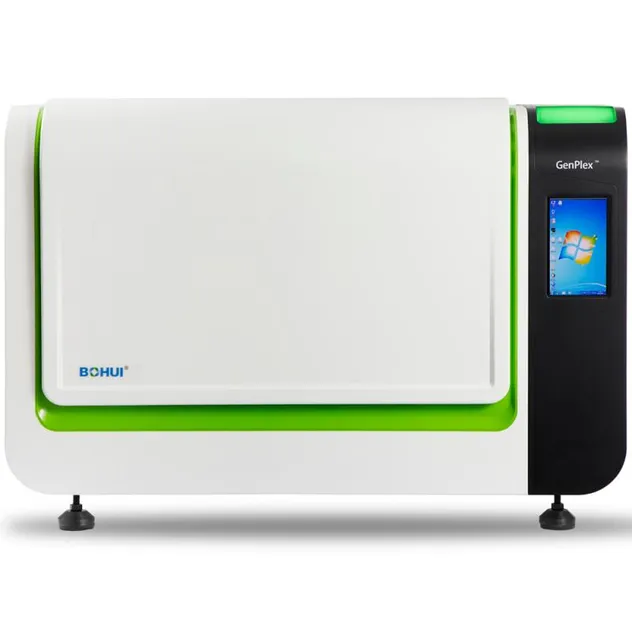
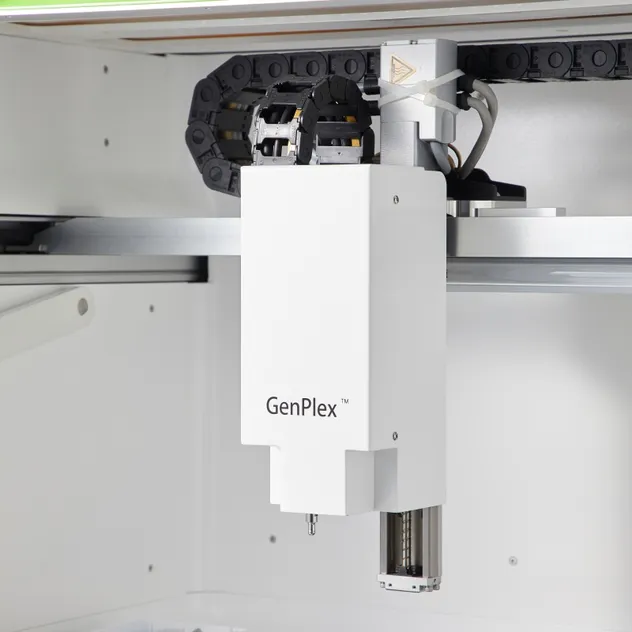
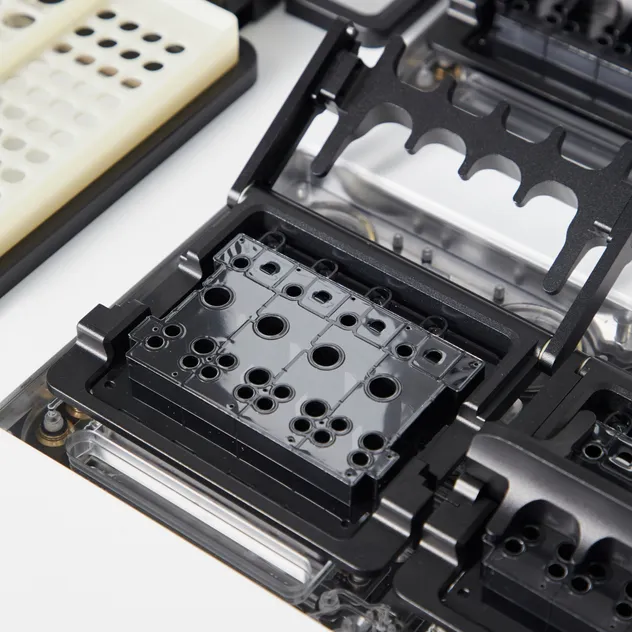
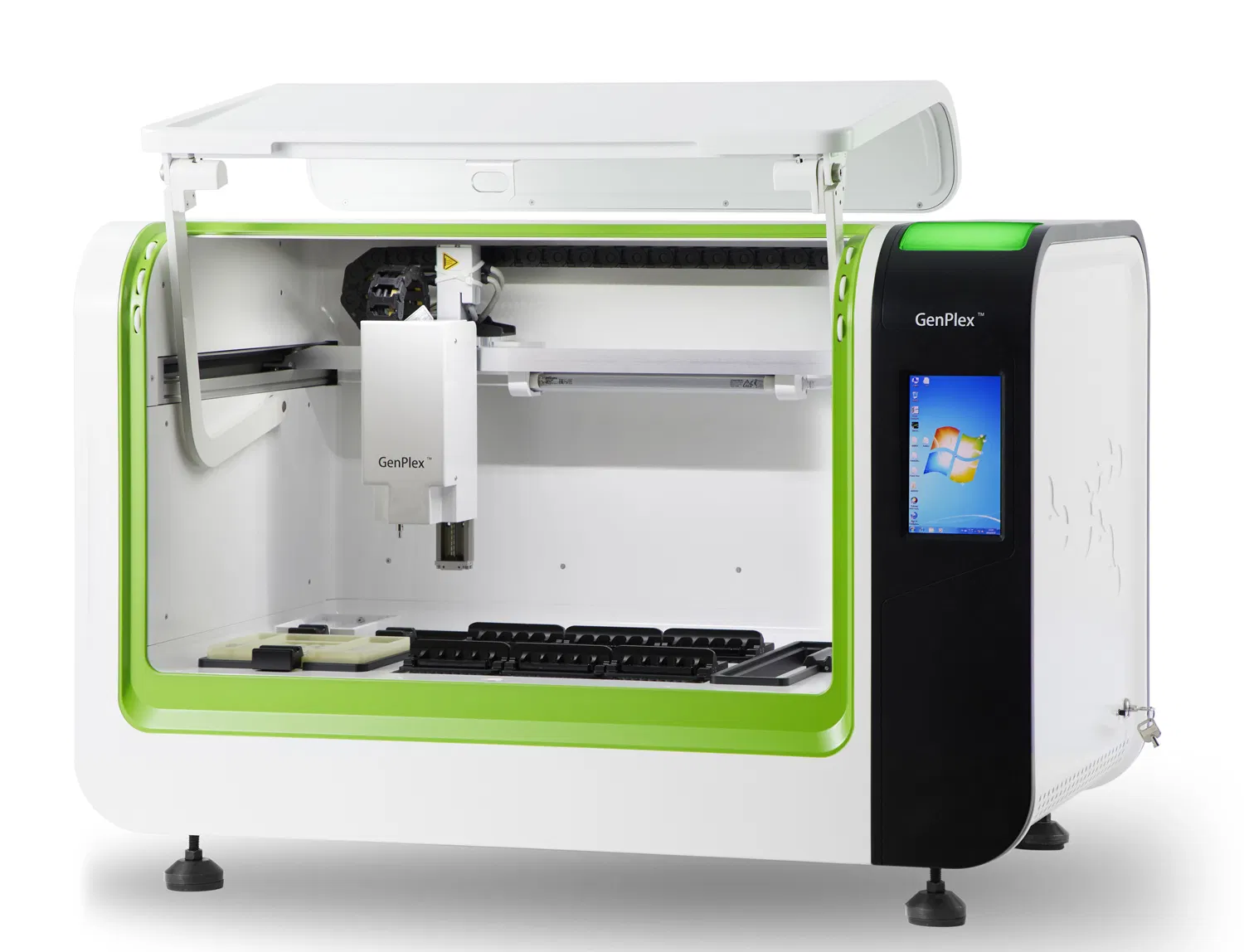
The system comprises a host unit and an optional printer. The host unit is a sophisticated integration of multiple sub-systems:
Sample Type: Exfoliated cervical epithelial cells
Application: Optimized for nucleic acid detection and analysis, specifically clinical screenings like HPV testing.
| Feature | Details |
|---|---|
| Model | BHF-VI |
| Detection Platform | PCR & Reverse dot blot hybridization |
| Detection Modules | 6 Modules |
| Sample Capacity | 24 |
| Heating Rate | ≥1.5 ℃/s (50℃ to 90℃) |
| Cooling Rate | ≥1.5 ℃/s (90℃ to 50℃) |
| Electrical Specification | 230V, 50Hz, 600VA |
| Dimension | 1000 x 610 x 690±10 (mm) |
| Weight | ≤80kg |
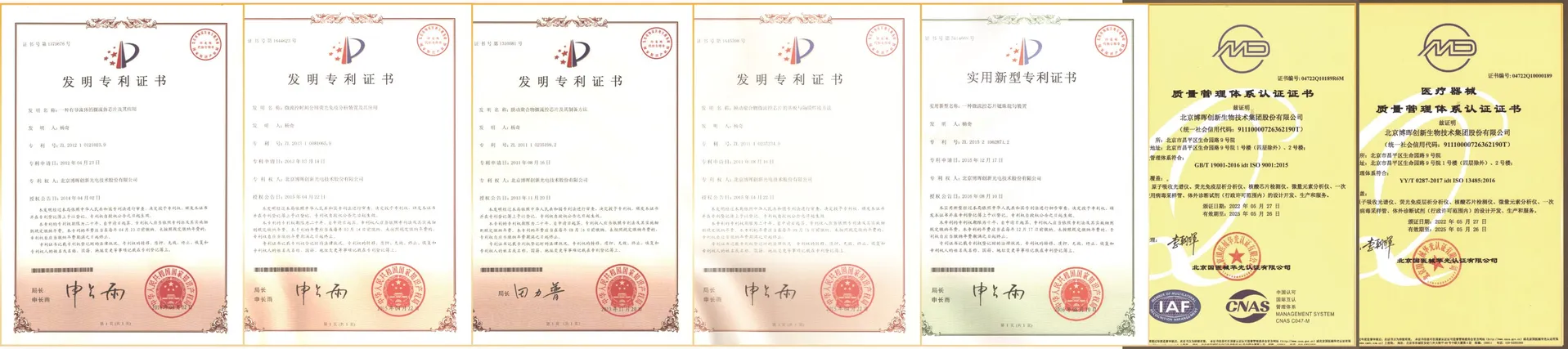
Founded in 2001, our group is a high-tech biomedical enterprise integrating R&D, production, sales, and after-sales service. We operate a massive 40,000 m² R&D center dedicated to medical innovation. We excel in molecular diagnosis, immunoassay, atomic absorption, and mass spectrometry.


Our in-vitro diagnosis systems are used in over 4,000 hospitals, handling up to 22 million tests annually. Our automated nucleic acid testing leverages microfluidic "lab on a chip" technology, providing efficient service to diverse medical institutions worldwide.
Post-acquisition of leading spectrometry brands, our focus has expanded to life science mass spectrometry, delivering superior user experiences and cutting-edge products for molecular analysis.