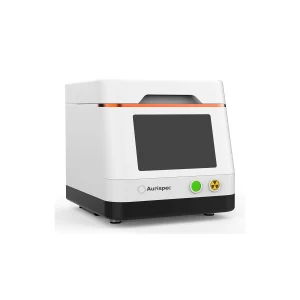
Sodium-Ion Na-Ion Battery Production Line Solution

Customization: Available
Production Scope: Product Line
Automation: Automation

Product Description

Technical Specifications

Model NO.
Na-01
After-sales Service
1 Year
Transmission Type
Flexible
Production Line
Comprehensive
Certification
CE
Flexible Production
Lean Production
Rhythm
Flow Production Line
Warranty
1 Year
Transport Package
Wooden Boxes
Specification
Customizable
Origin
China
Production Capacity
10000 pieces/Year

Sodium-Ion (Na-Ion) Battery Production Line Solution

Sodium-Ion Battery Solution Banner

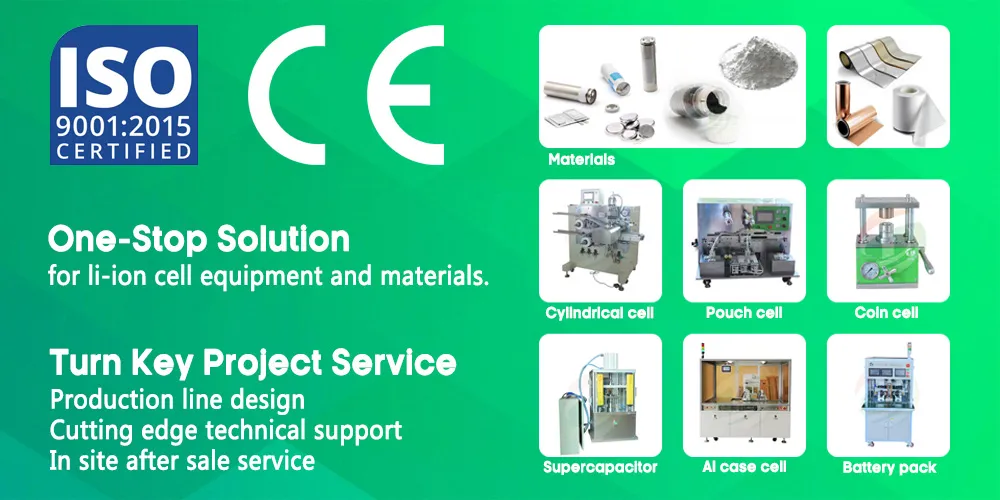
Our solution focuses on advanced Sodium-ion Battery Technology, providing comprehensive machinery for the manufacturing industry as well as the specialized materials required for battery cell production. We offer full turn-key Sodium-ion Battery production lines and supply essential manufacturing materials to meet the evolving needs of the energy storage sector.
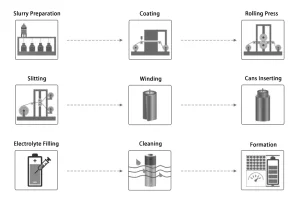
Production Process Overview

🌐 How Sodium Batteries Work

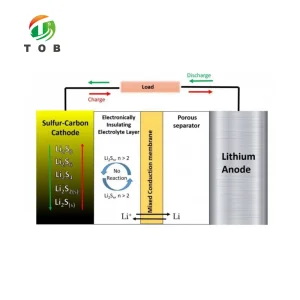
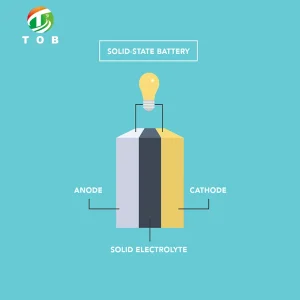
Similar to the working principle of lithium-ion batteries, the sodium-ion battery is a type of "rocking chair" battery. During charging, sodium ions are dislodged from the positive electrode and move into the negative electrode. During discharge, sodium ions move from the negative electrode back to the positive electrode. Electrons flow through the external circuit, reducing sodium ions at the electrode interface.
Material Comparison & Systems

Cathode Material: This is the primary difference from lithium-ion systems. Categories include sodium transition metal oxides, phosphates, sulfates, and Prussian blue compounds.
🌑
Anode Materials: Options include soft carbon, hard carbon, and transition metal oxides. Hard and soft carbon materials are currently the most viable for commercialization due to stability and cost.
⚗️
Electrolyte: Utilizes sodium salts and solvents. The solvents are largely similar to those in lithium-ion batteries, with PC (Propylene Carbonate) being a common choice.
🎞️
Separator & Package: The separators are identical to lithium-ion technology. Packaging options are versatile, including cylindrical, soft pouch, and square formats.
⚙️
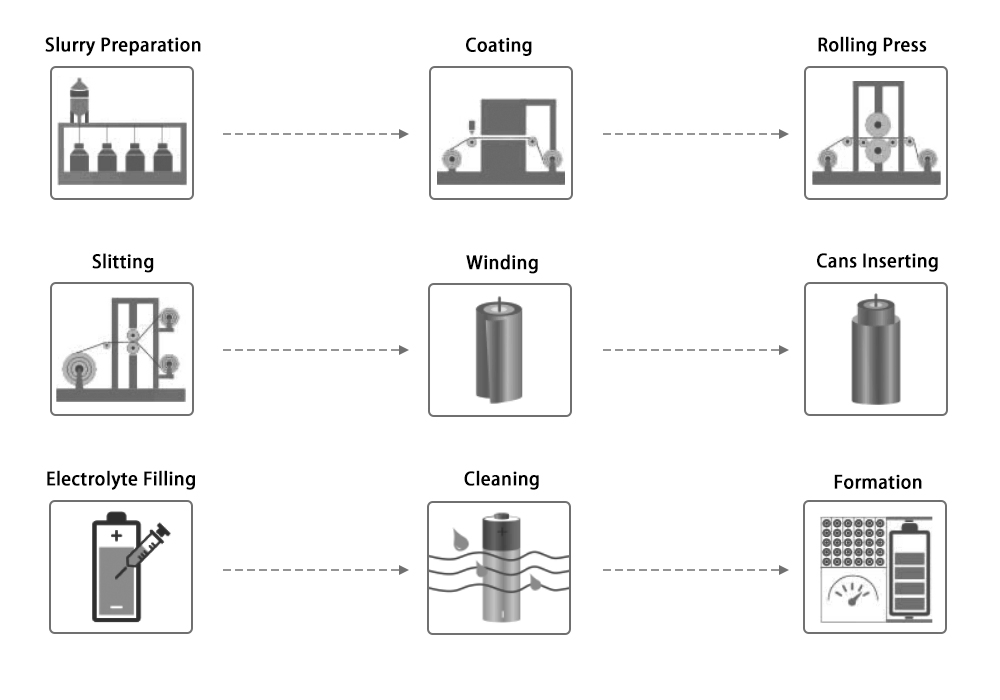
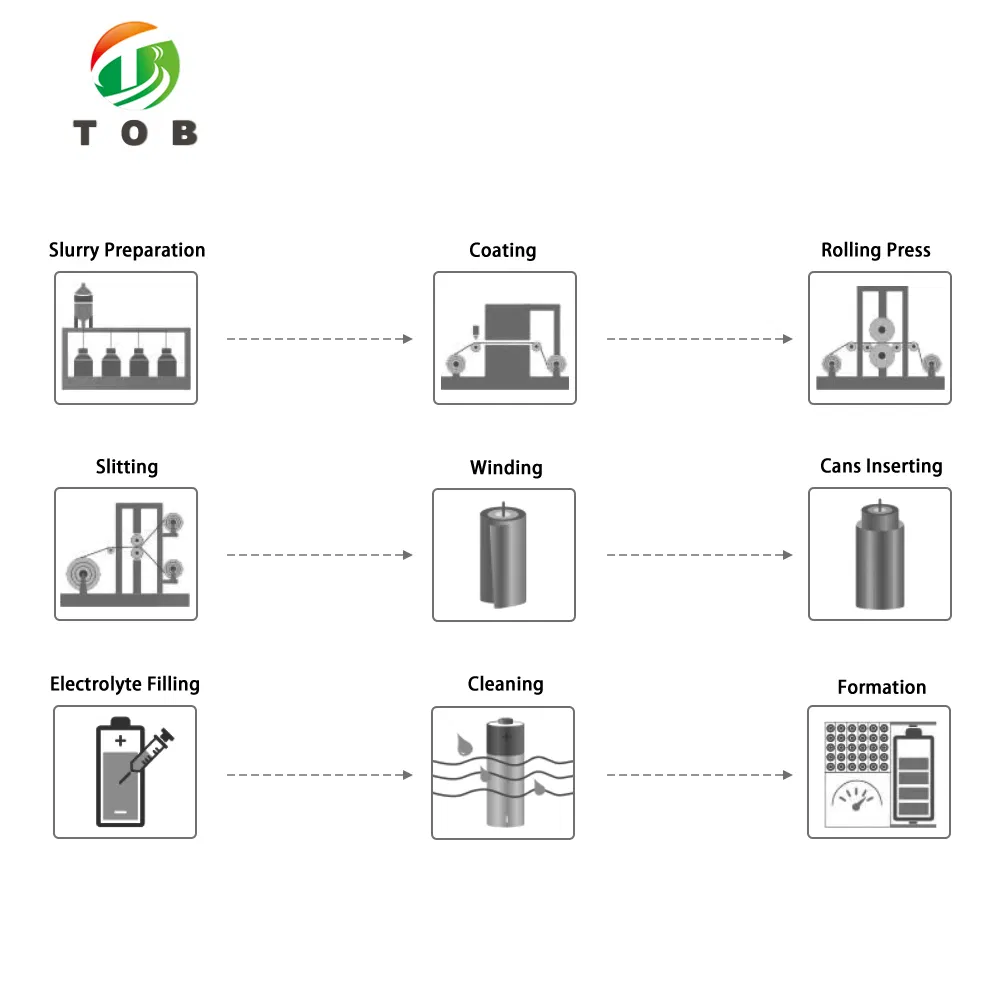
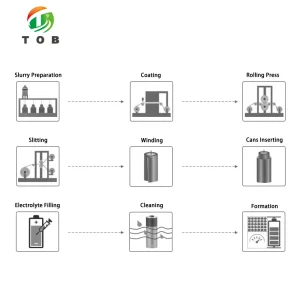
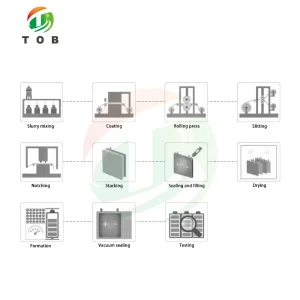
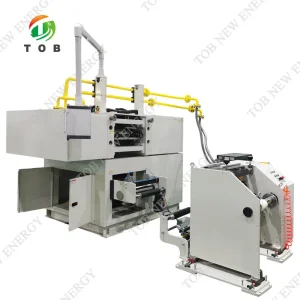
Preparation Process: The manufacturing process is essentially identical to lithium-ion batteries, allowing for rapid commercialization using existing equipment infrastructure.
Technical Diagram

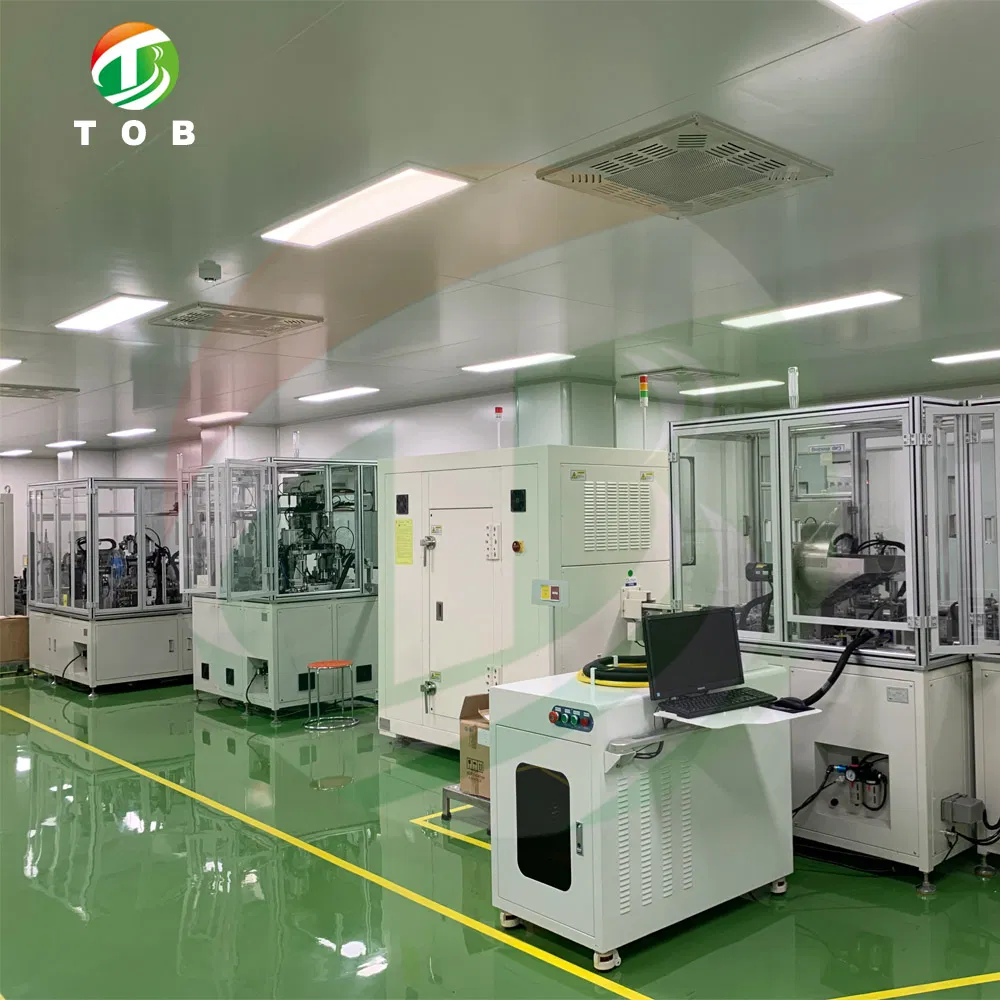
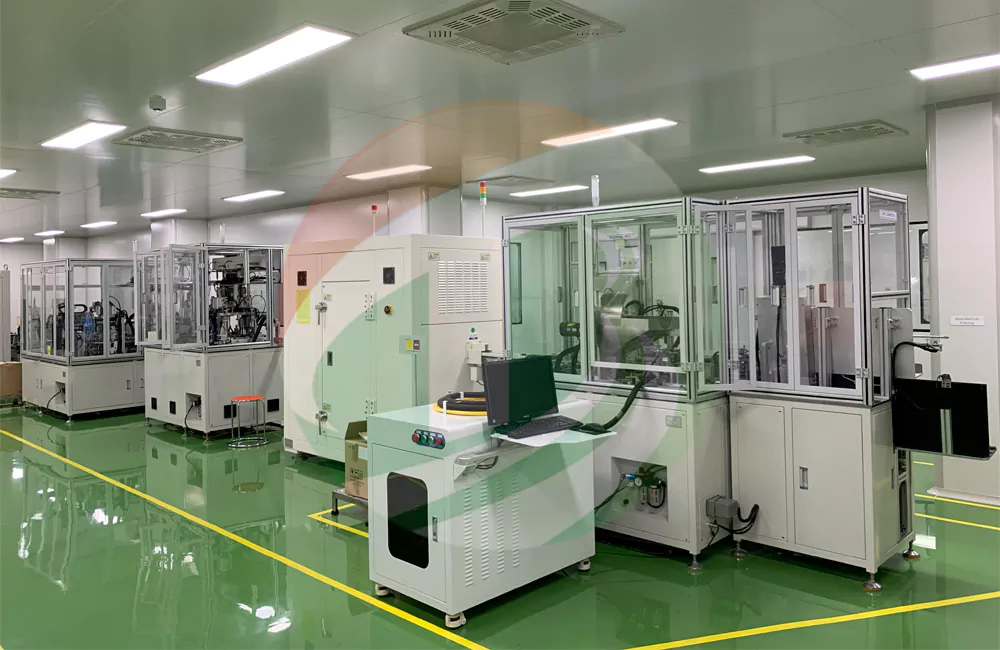
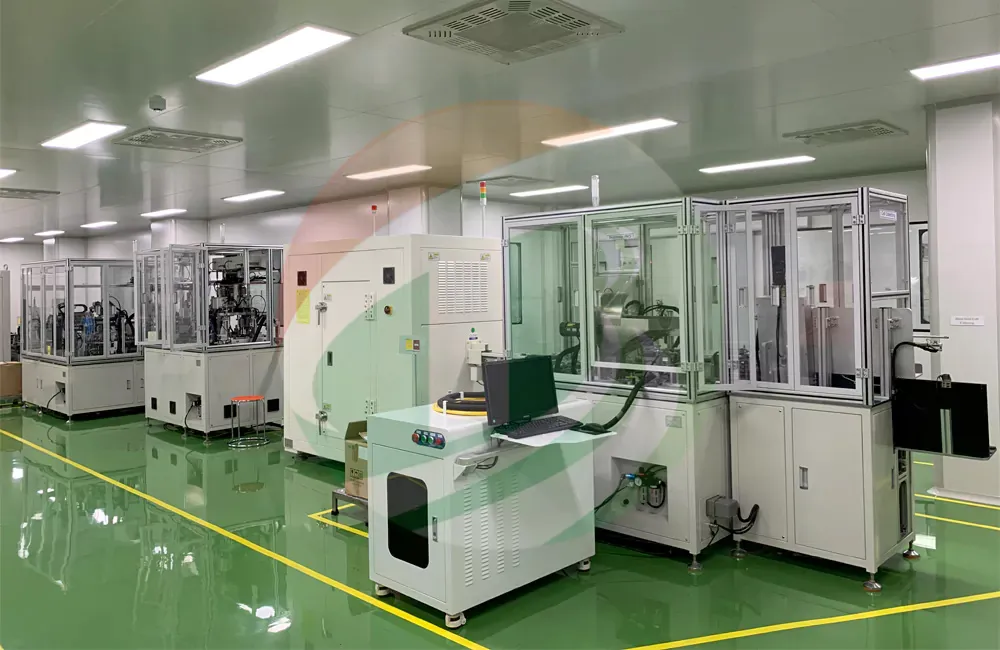
Production Equipment Gallery

Machinery 1
Machinery 2
Machinery 3
Machinery 4
Machinery 5

Frequently Asked Questions

Can existing lithium battery equipment be used for sodium-ion batteries?
Yes, one of the main advantages of sodium-ion technology is that the production process and machinery are almost identical to lithium-ion, allowing for quick industrial transition.
What are the primary cathode materials used in sodium batteries?
The main categories include sodium transition metal oxides, polyanionic compounds like phosphates and sulfates, and Prussian blue analogs.
What type of anode is best for sodium-ion cells?
Hard carbon and soft carbon are the most widely used anode materials due to their excellent cycling performance and cost-effectiveness.
What packaging formats are available for these batteries?
Sodium-ion batteries can be manufactured in cylindrical, prismatic (square), and soft pouch formats, similar to traditional battery types.
What is the production capacity of this line?
The standard comprehensive production line has a capacity of approximately 10,000 pieces per year and can be customized to scale.
Is there a difference in the separator used?
No, the separators used in sodium-ion battery manufacturing are the same as those used in lithium-ion battery production.

Related Products