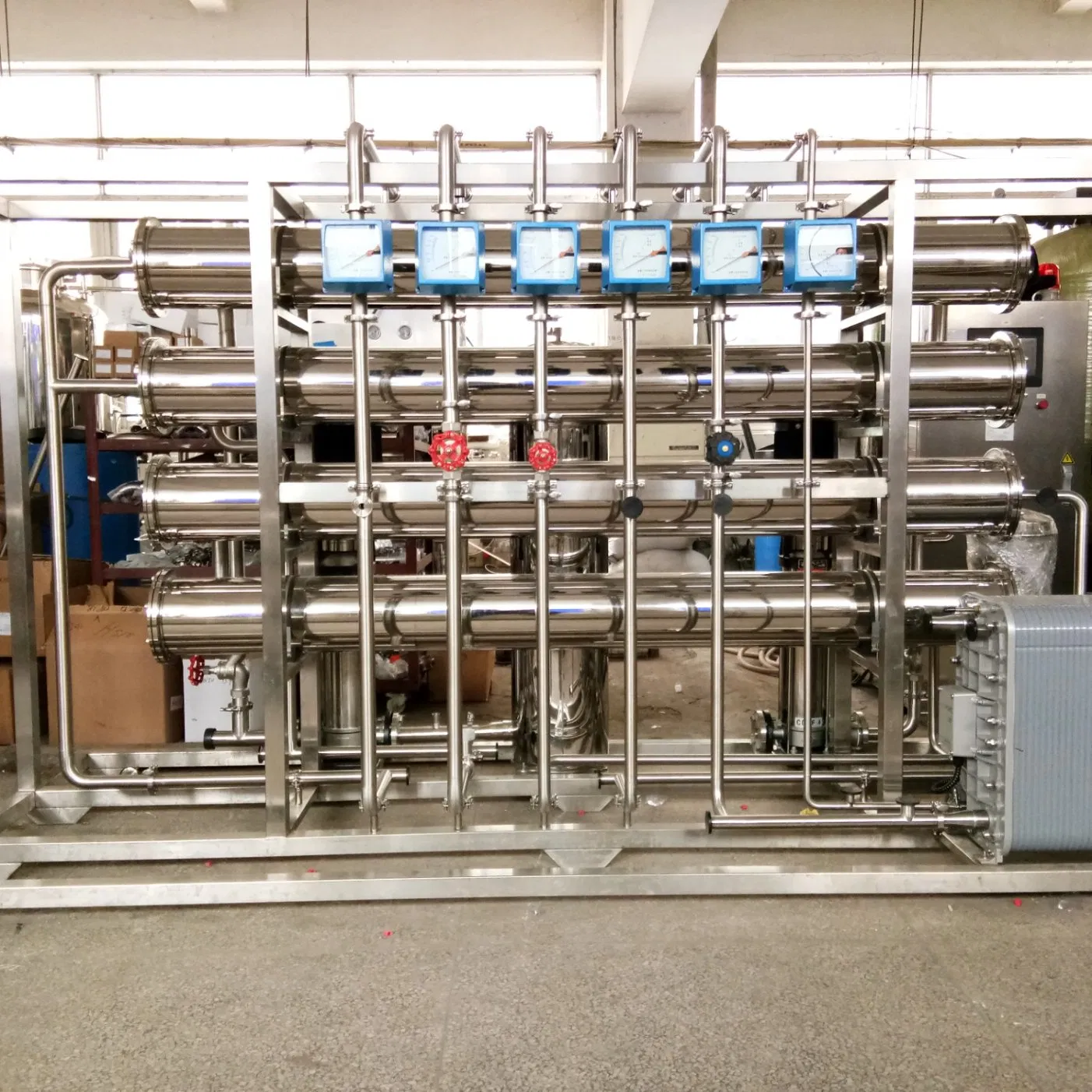
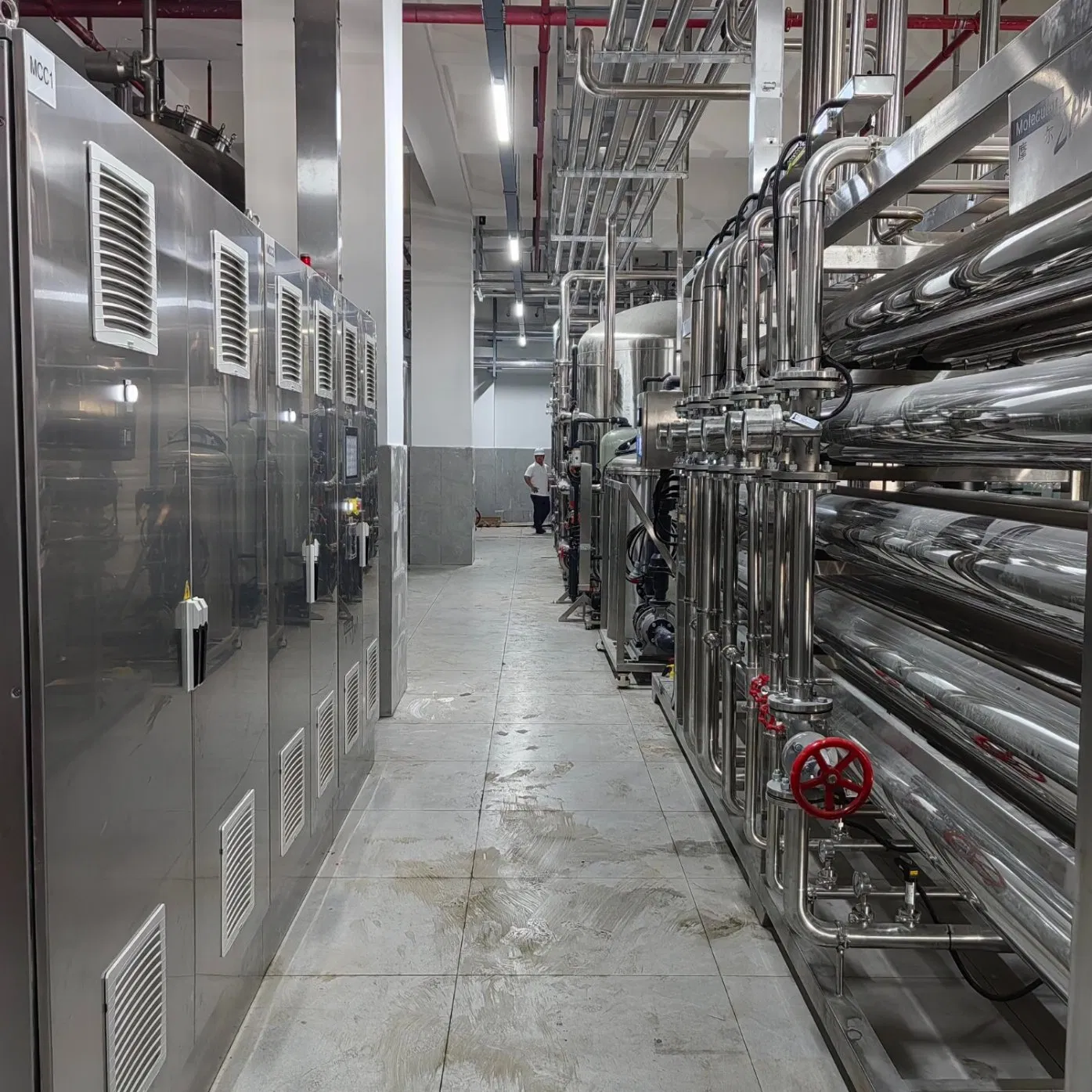
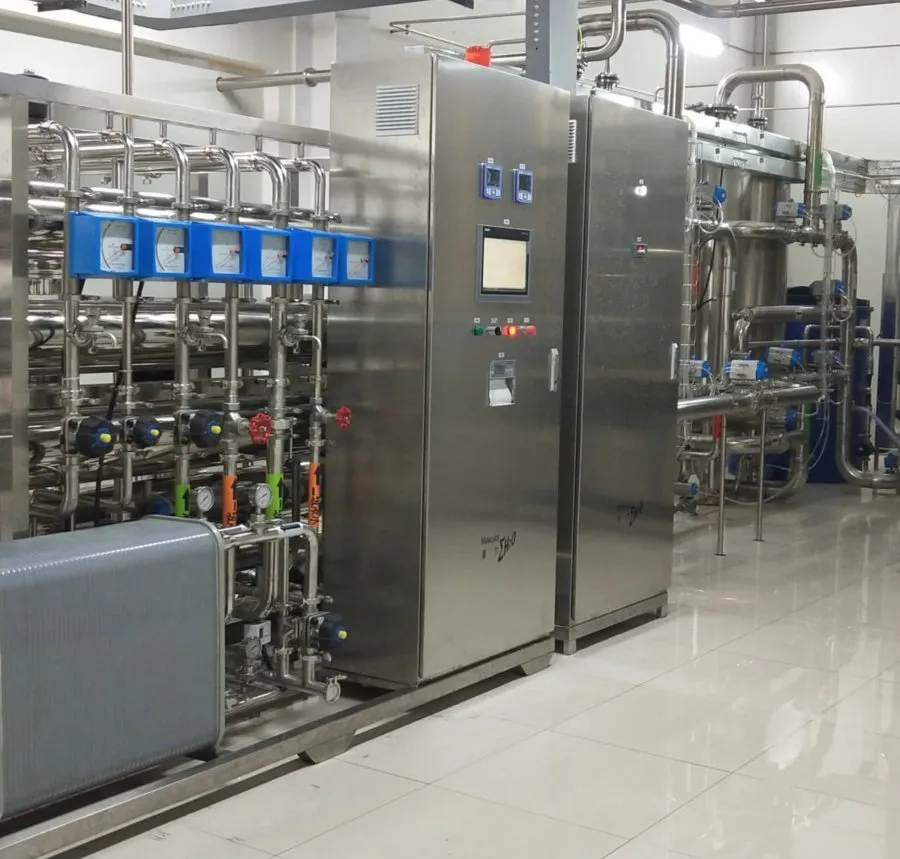
SS316L Pharmaceutical Water System Pure Water System RO System

Customization: Available
Application: Biotechnology Industry, Chemical industry, Clinical Diagnosis, Energy & Mining, Food & Beverage Factory, Food Safety, Forensic Science, Pharmaceutical Industry
Capacity: 1000lph

Product Description

📊 Basic Info.

CertificationCE, FDA, GMP, ISO
Control SystemFully Automatic
Treatment ProcessRO, EDI, UV Disinfection
MaterialSS304 + SS316L
DisinfectionHeat Disinfection
Production Capacity500 sets/Year
Package Size200.00cm * 180.00cm * 210.00cm
Package Gross Weight1500.00kg

💧 Product Description

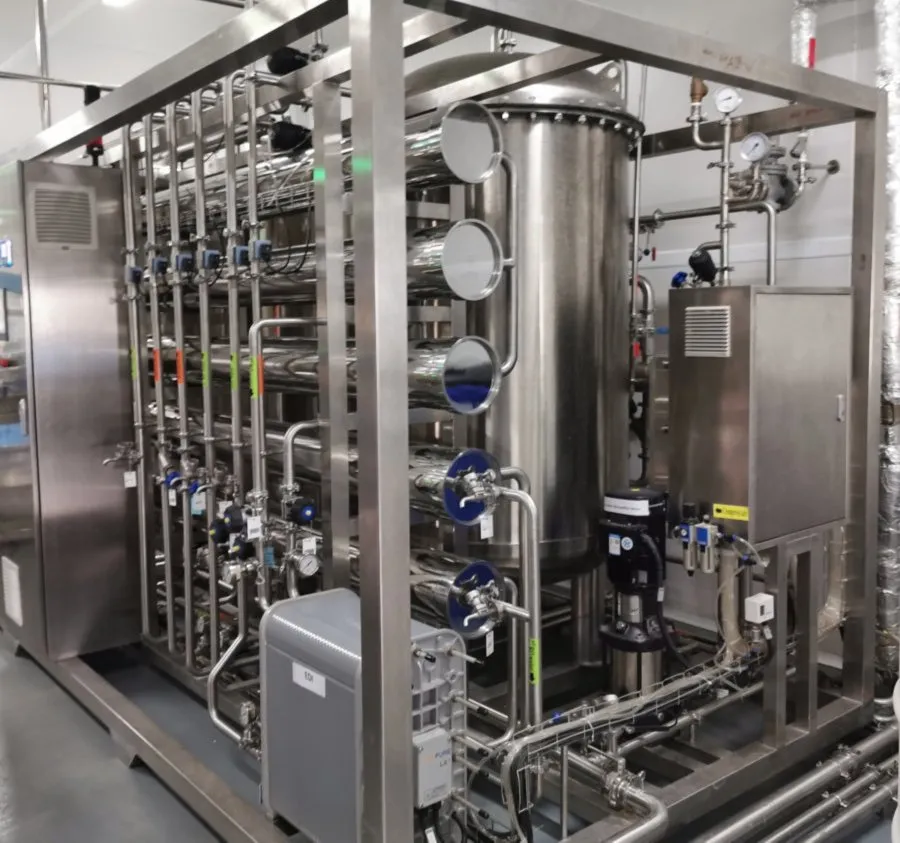
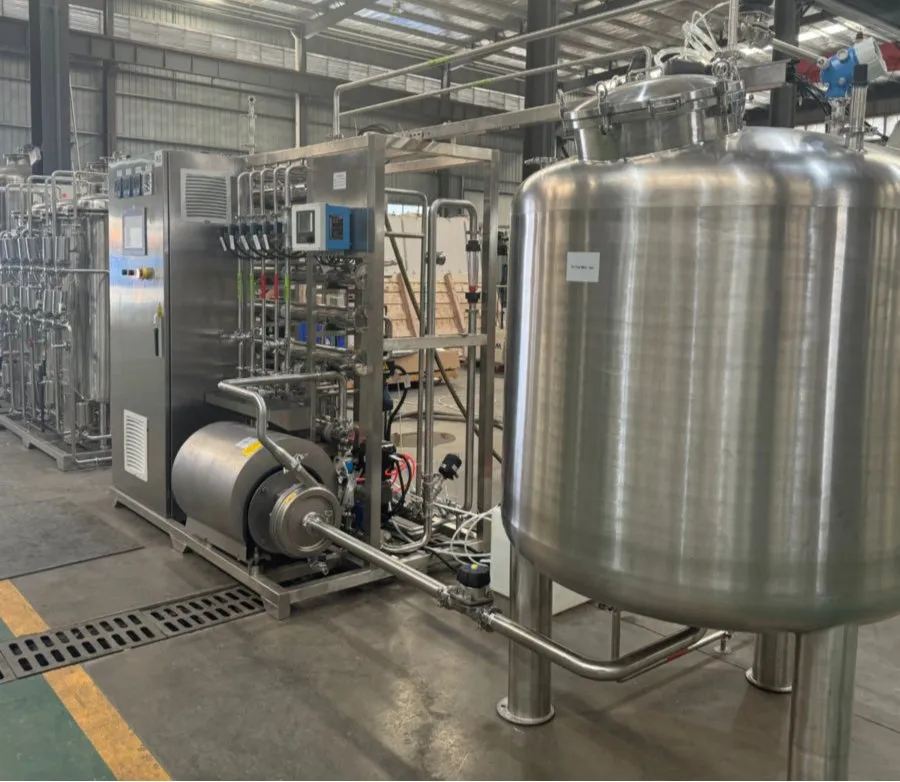
Pharmaceutical Water System

Pharmaceutical Purified Water System, WFI Multi-effect Distiller, and Pure Steam Generator.

We provide comprehensive turn-key solutions for pharmaceutical water system projects, covering technical design, high-precision manufacturing, global shipping, on-site installation, and professional operational training.

📋 Technical Specification

No. Unit Parameter Information
1Name3000L/H Purified Water (PW) System
2ModelMOLPW-3000L
3Permeate Capacity3000L/H @ 25℃
4Feed WaterMunicipal Tap Water
5Pure Water QualityElectrical Conductivity < 1.3μs/cm (Meets GMP, EP/USP)
6TechnologyDouble Stage Reverse Osmosis + EDI Unit
7Control MethodAutomatic PLC Control (Manual override available)

🚀 Functional Advantages

Advanced Purification

✅ Advanced Purification Technology

Our systems integrate cutting-edge Reverse Osmosis (RO) and Electrodeionization (EDI) technology to consistently produce ultra-pure water that exceeds global pharmacopoeia requirements with a significant safety margin.

✅ Intelligent Automation

Equipped with a high-end PLC+HMI control system, the equipment offers real-time monitoring and intelligent algorithms to optimize operational parameters, maximizing efficiency while minimizing manual intervention.
Intelligent Automation
Modular Design

✅ Modular & Sanitary Design

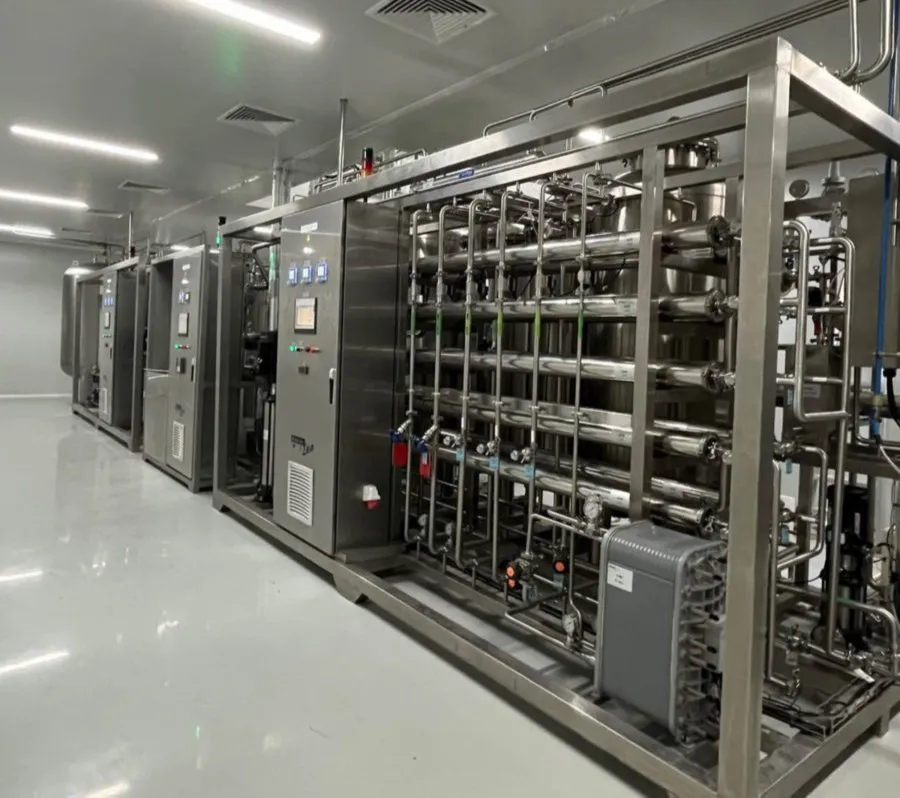
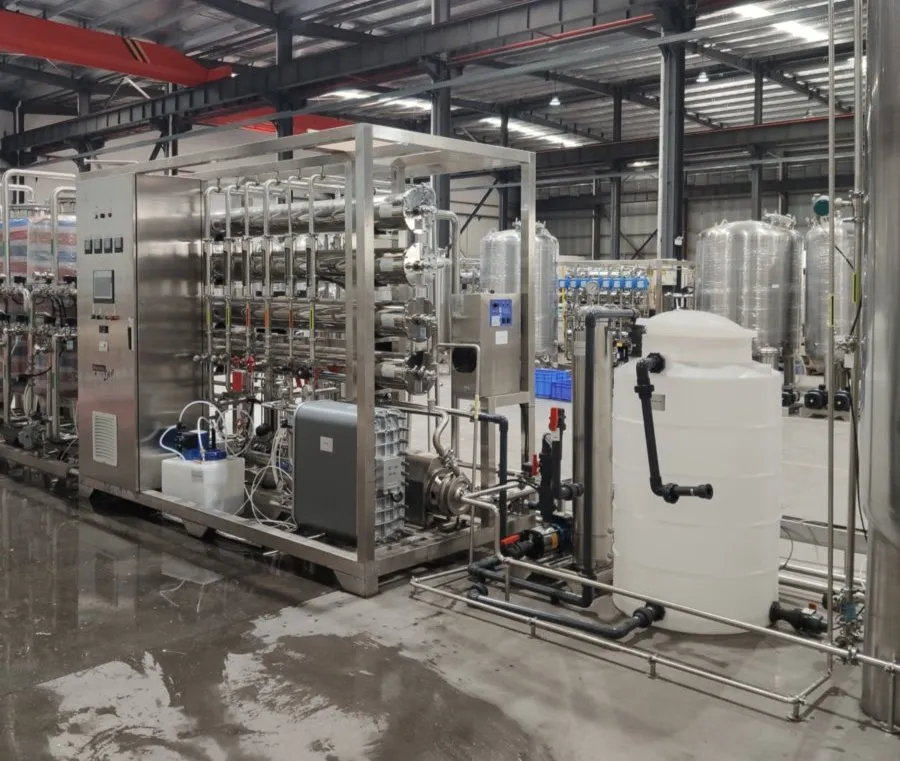
The modular construction simplifies installation and future expansion. All contact components are pharmaceutical-grade stainless steel with a dead-leg-free design to prevent microbial growth.

✅ Multi-Layer Safety

Features include advanced alarm systems, self-diagnostics, pressure relief valves, and abnormal water quality alerts to ensure continuous safe operation for critical processes.
Safety System
Energy Efficient

✅ Energy Efficient Operation

Smart optimization reduces energy consumption by up to 30% compared to conventional systems. The EDI module significantly lowers operational costs and environmental impact.
✨ Key System Features

  • Raw Water Treatment: Pasteurization applied to pretreatment filters with three-stage removal of particles and impurities.
  • Energy-Saving RO+EDI: Concentrated water recycling (up to 30% recovery) and EDI return systems.
  • Precision Monitoring: Online conductivity monitoring (RO ≤5 μS/cm, EDI ≤1μS/cm) and TOC monitoring (≤500 ppb).
  • Sanitary Distribution: Pasteurization-ready distribution loops for total microbial control.

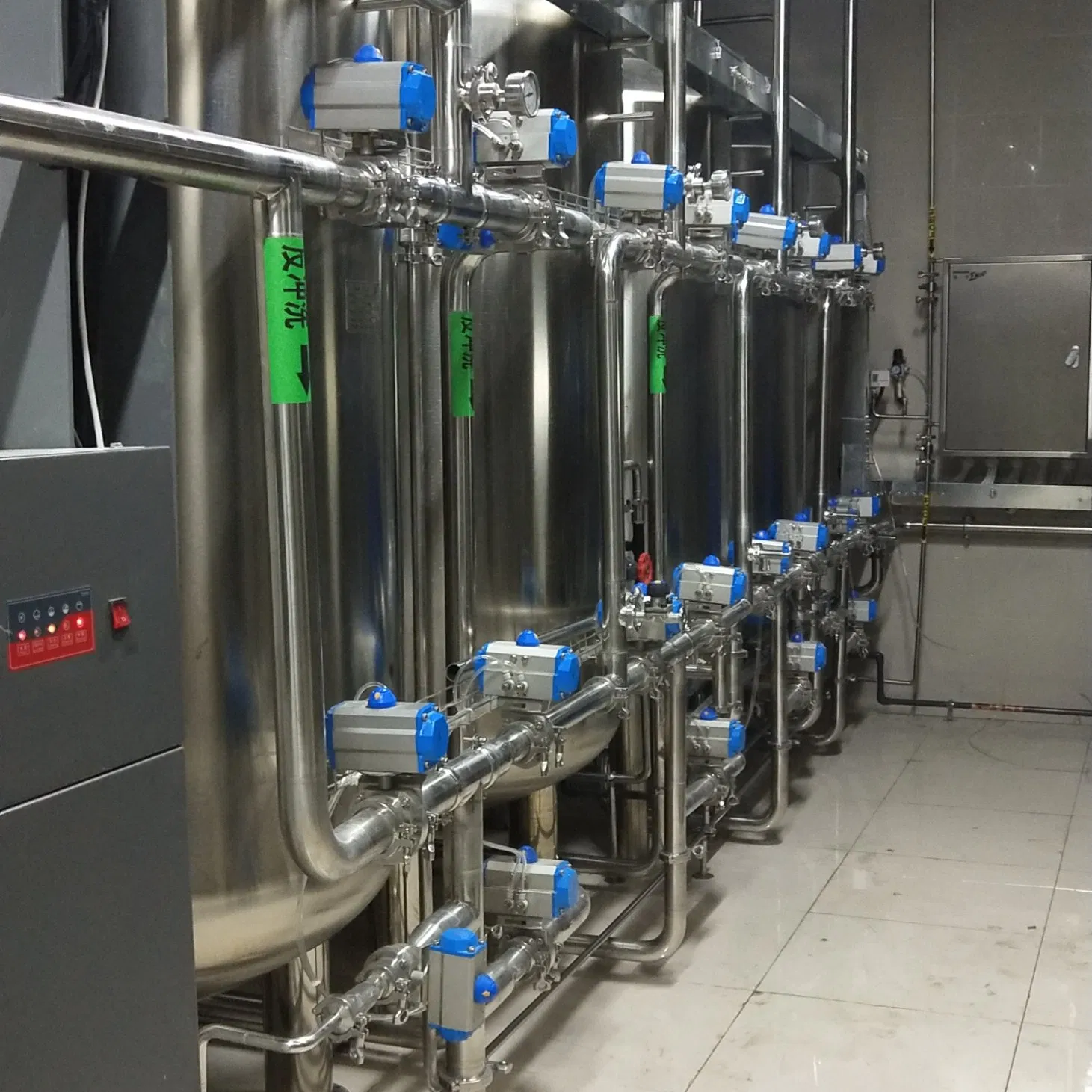
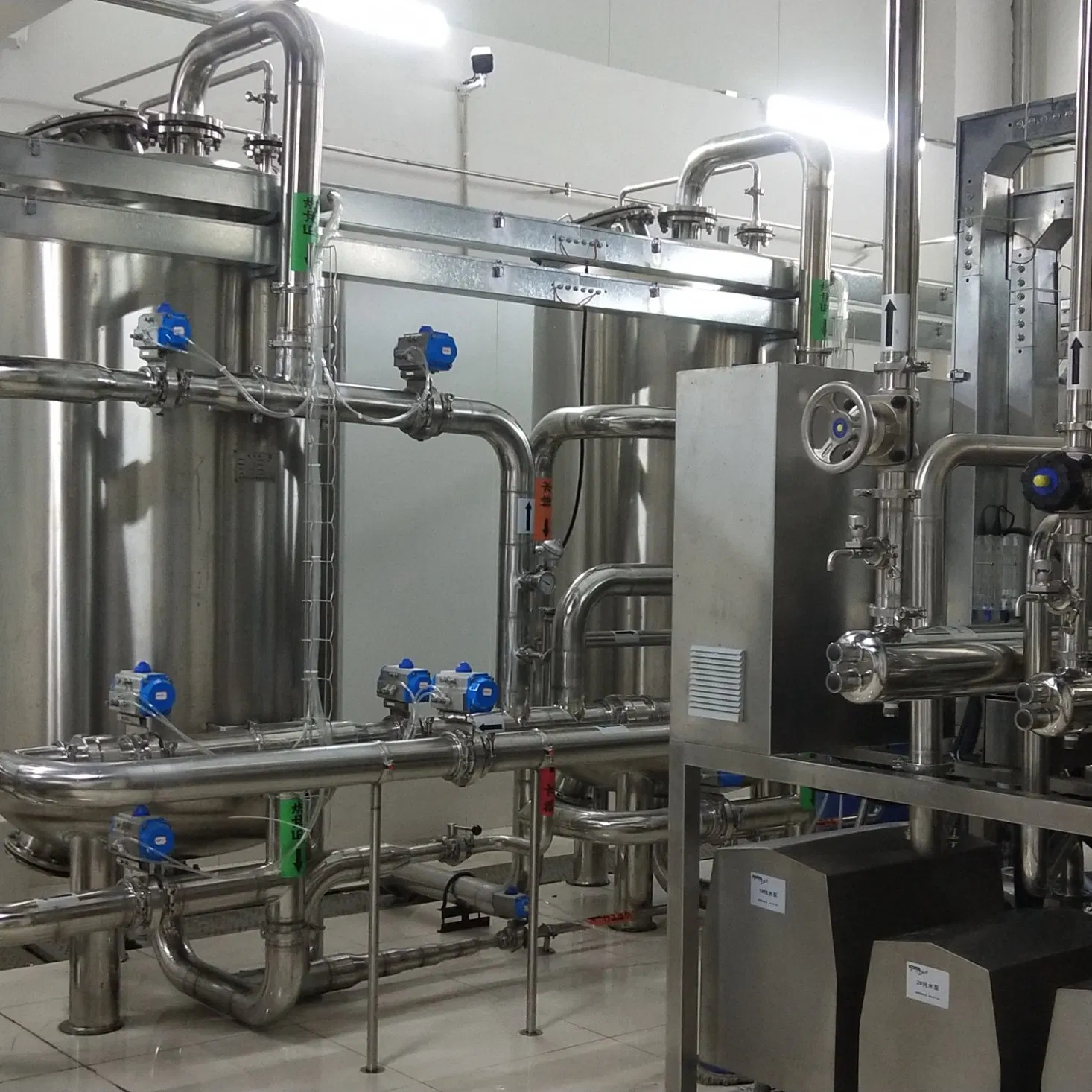
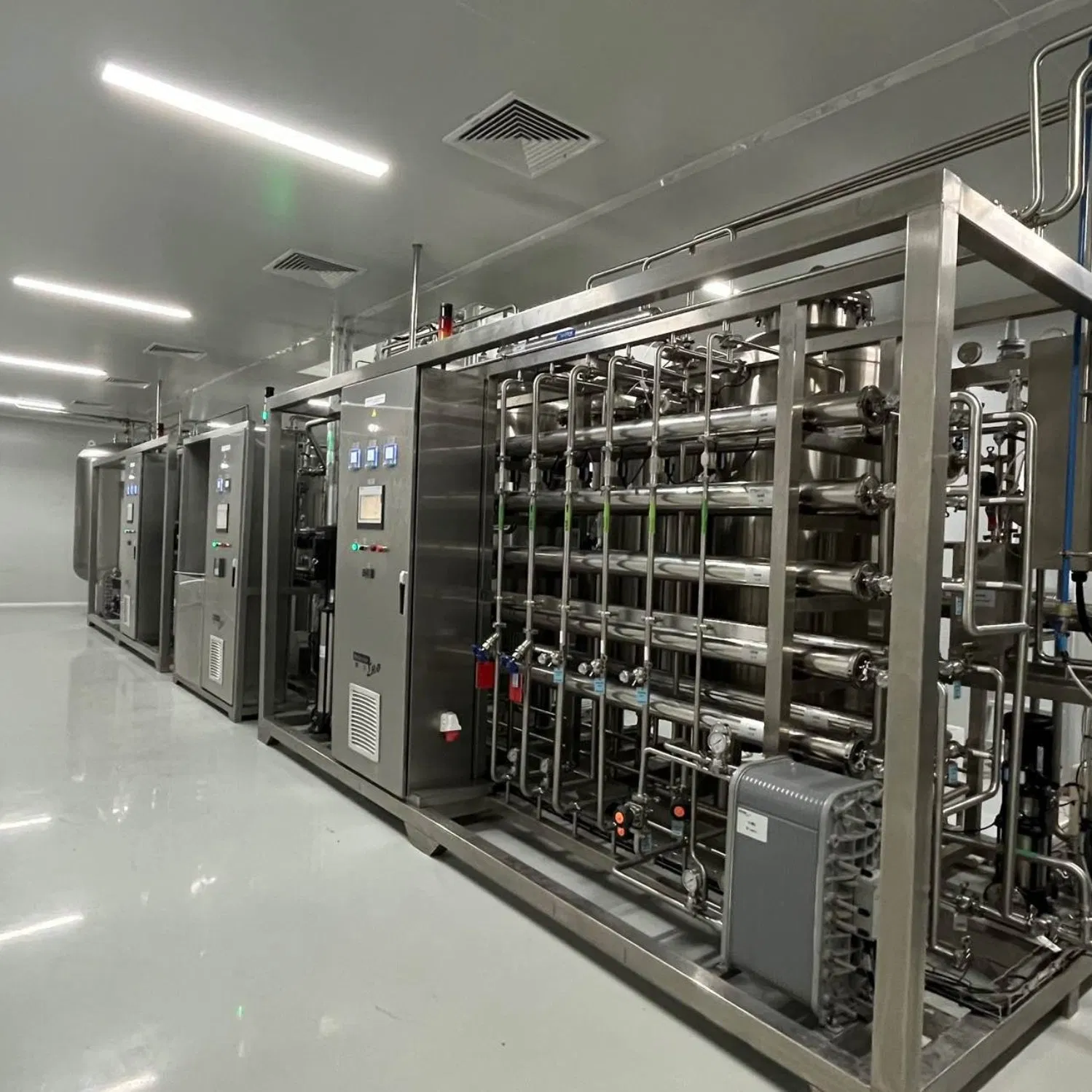
📸 System Showcase

Water System 1
Water System 2
Water System 3

❓ Frequently Asked Questions

What is the typical process flow of a pharmaceutical purified water system?
A typical PW system includes pretreatment (multimedia filtration, activated carbon, softening), followed by double-stage Reverse Osmosis (RO) and Electrodeionization (EDI), with a circulation loop featuring UV/Ozone sanitization.
Why is EDI preferred over mixed-bed ion exchange?
EDI avoids the need for chemical regeneration, reduces contamination risks, ensures stable water quality, and complies better with GMP requirements for continuous production.
What key quality parameters must be monitored?
Key parameters include electrical conductivity, Total Organic Carbon (TOC), microbiological count, pH levels, and endotoxin levels, adhering to USP, EP, or ChP standards.
What is the difference between Purified Water (PW) and Water for Injection (WFI)?
PW is used for non-parenteral products. WFI has much stricter limits for microbes and endotoxins and is typically produced through distillation or multi-effect evaporation.
How is microbial growth controlled in the distribution loop?
Microbial growth is controlled by maintaining continuous high-velocity circulation, using heat sanitization (pasteurization), installing UV sterilizers, and ensuring a dead-leg-free piping design.
How often does the system require maintenance?
Standard maintenance includes periodic filter replacements, RO membrane cleaning (CIP), and sensor calibration. Intelligent PLC alerts help notify operators when maintenance is due based on performance data.

Related Products