Product Description
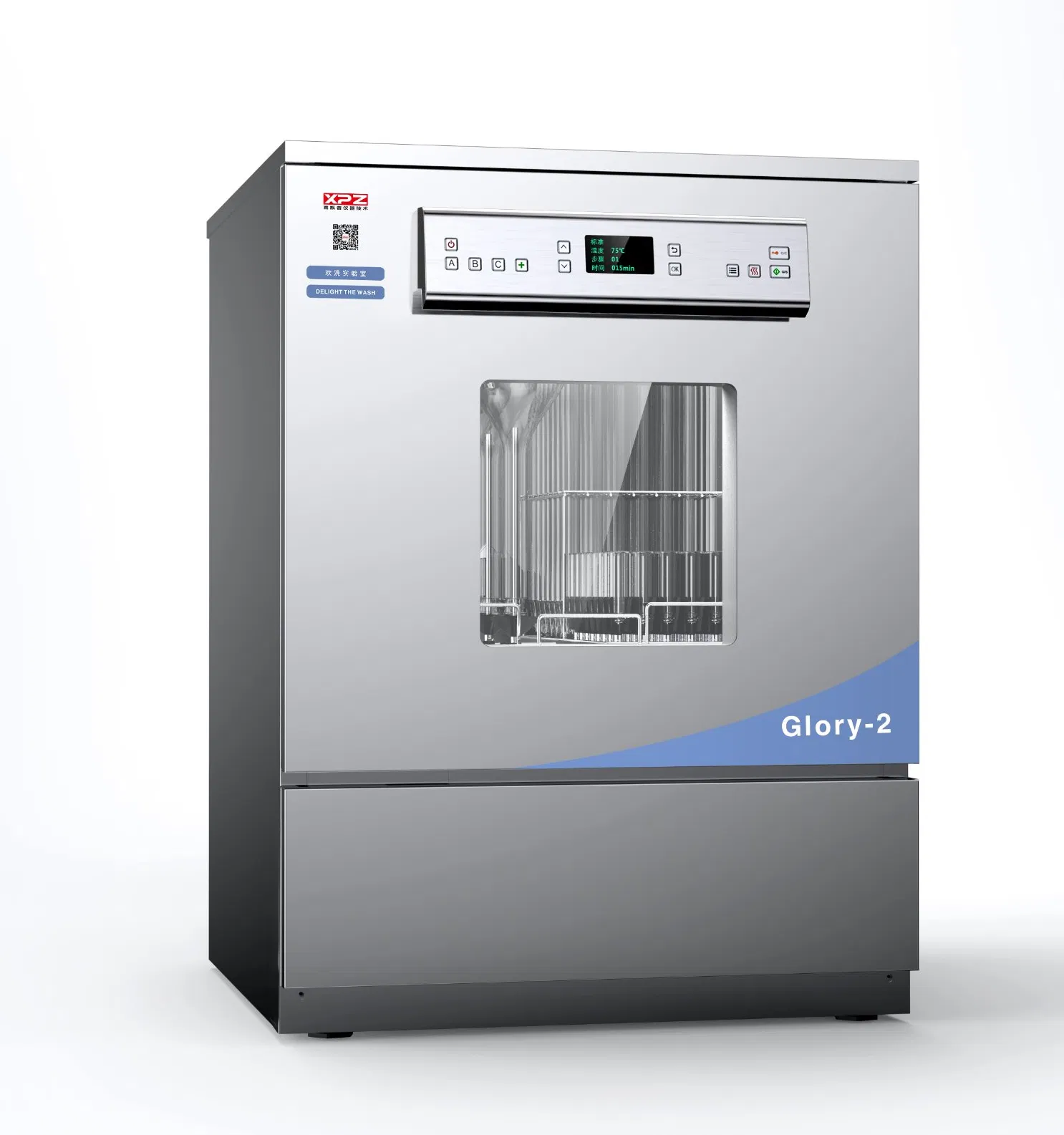
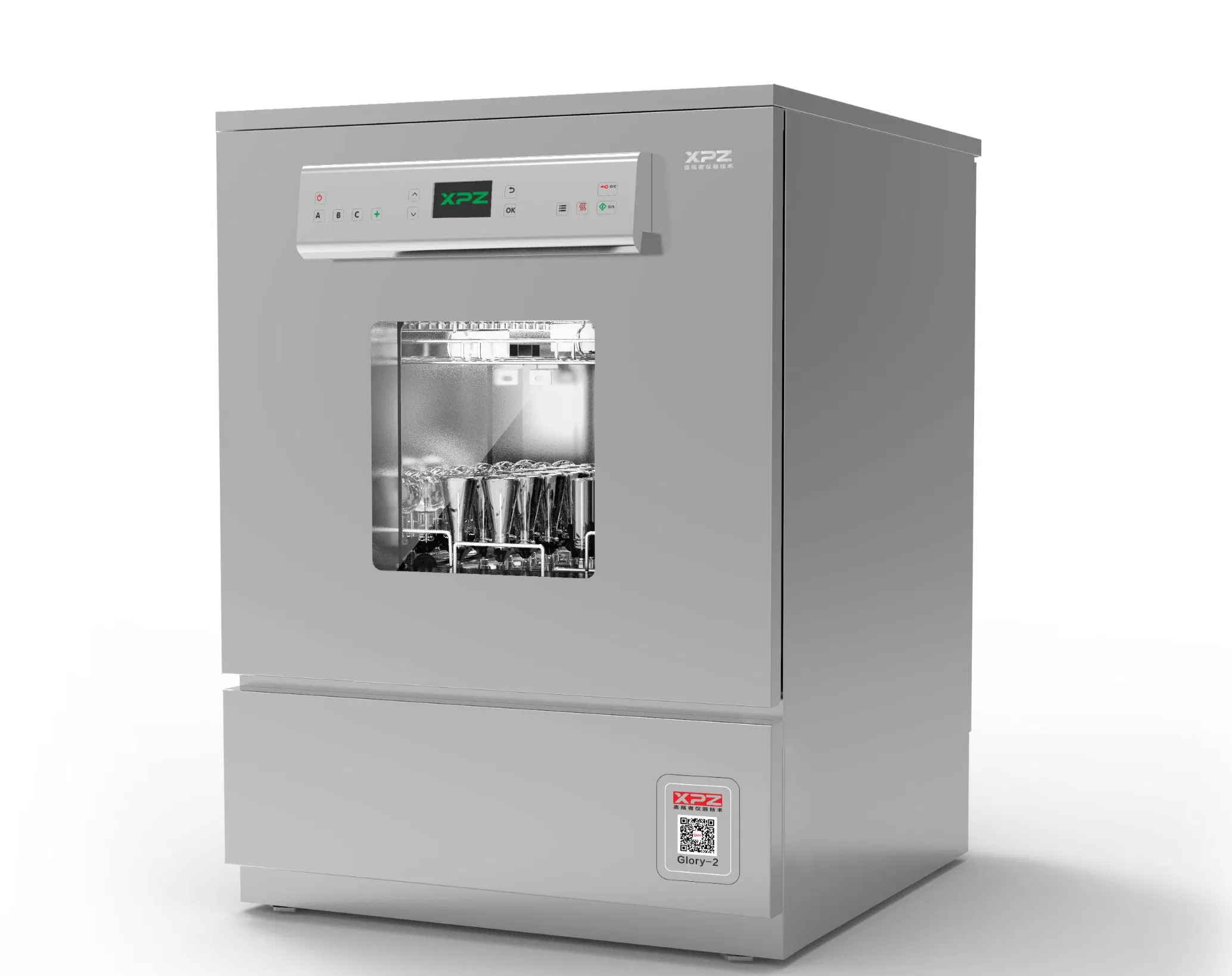
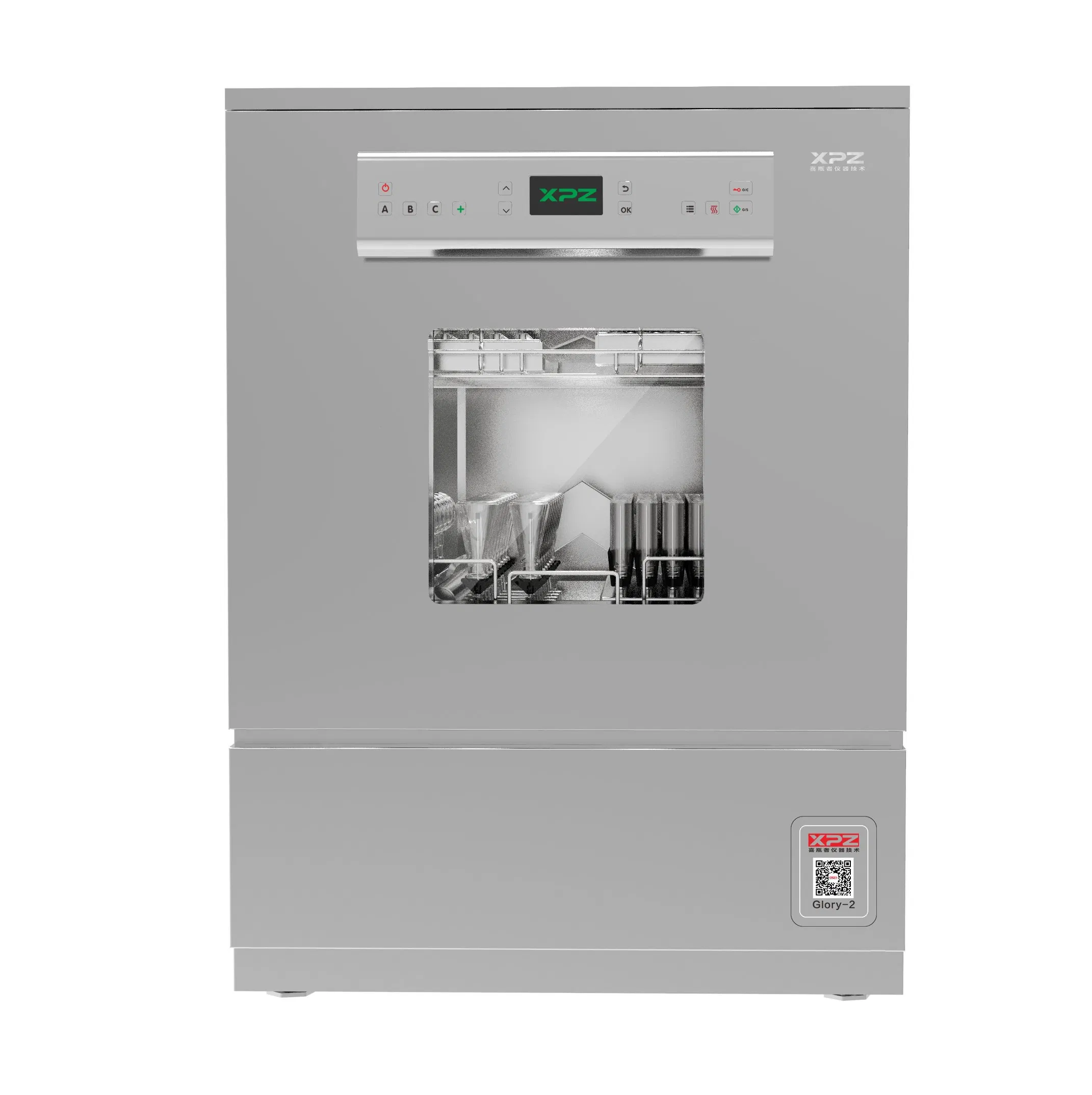
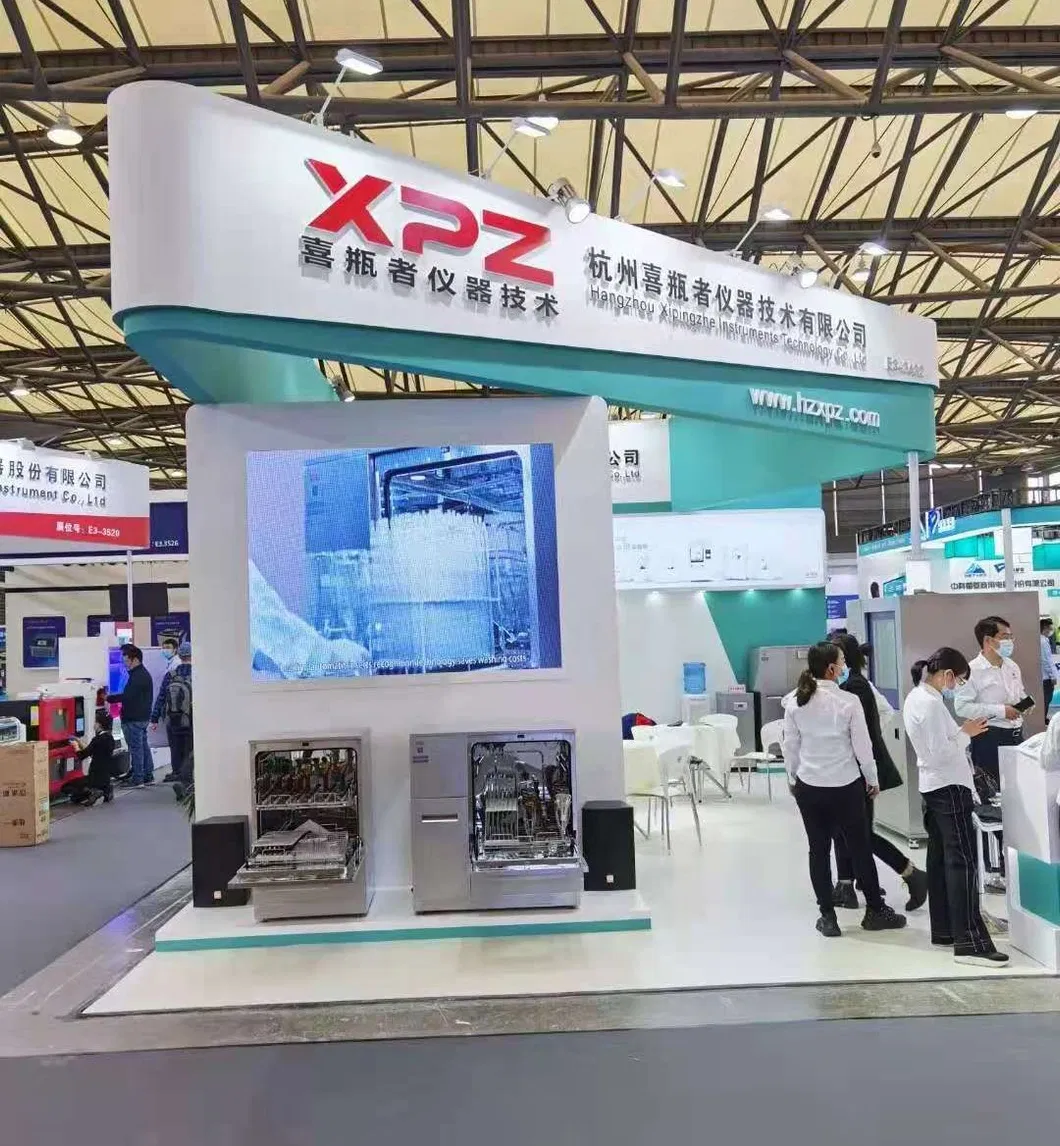
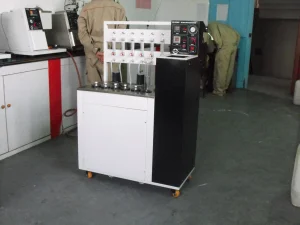
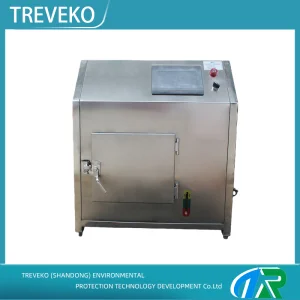
Undercounter Flask Scrubber Glassware Washer
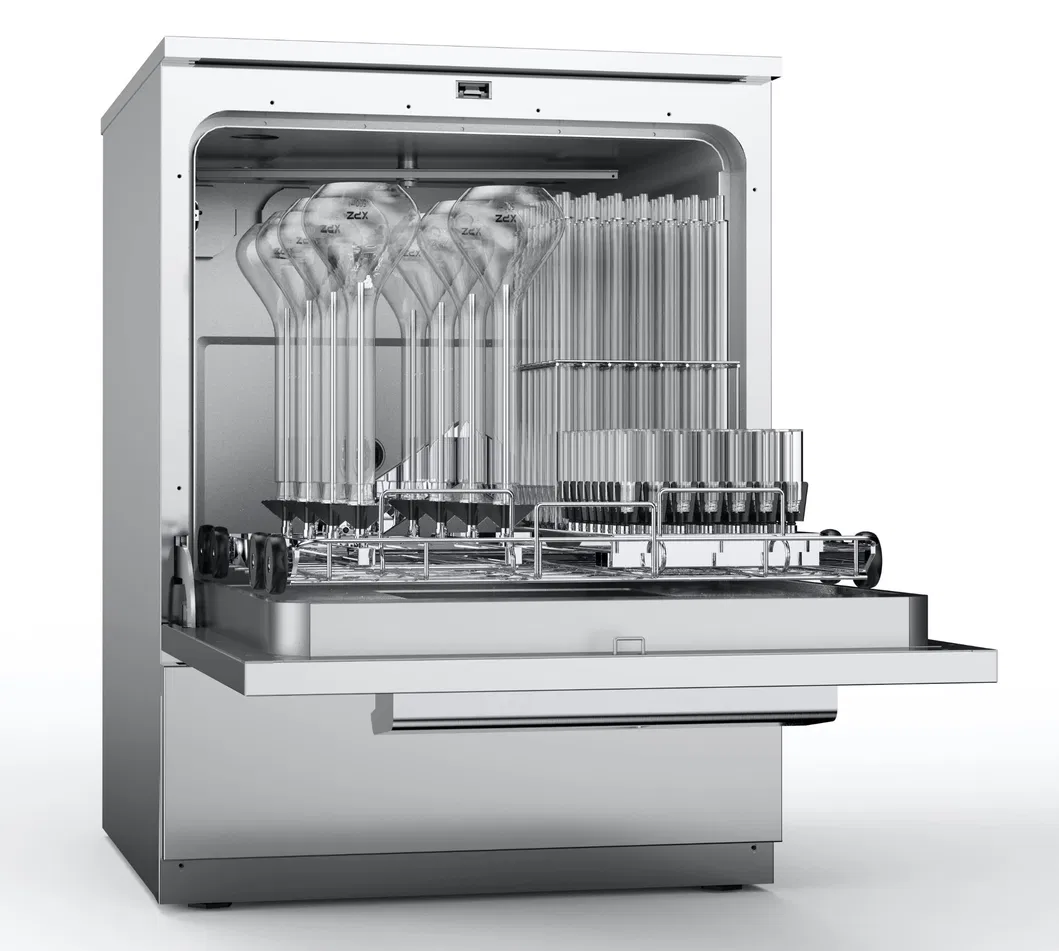
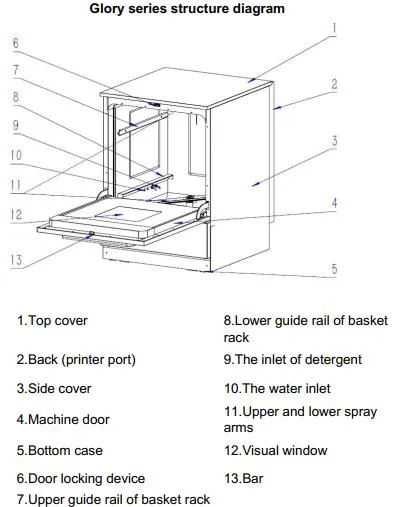
The laboratory glassware washer can be installed under the laboratory table-board or separately. It supports connections for both tap water and pure water. The standard process utilizes tap water and detergent for the main wash, followed by pure water rinsing. For users with specific drying requirements, the hot air drying functionality ensures utensils are ready for immediate use.
Technical Specifications
| Basic Data |
Functional Parameter |
| Power Supply | 220V/380V |
Automatic Door | Yes |
| Material | Chamber 316L / Shell 304 |
Peristaltic Pump | 2 |
| Washing Temp | 50-93ºC |
Condensing Unit | Yes |
| Chamber Volume | 170L |
OLED Screen | Yes |
| Cleaning Layers | 2 (Petri dish 3 layers) |
Pump Rate | 500L/min |
Technical Innovation & Modular Design
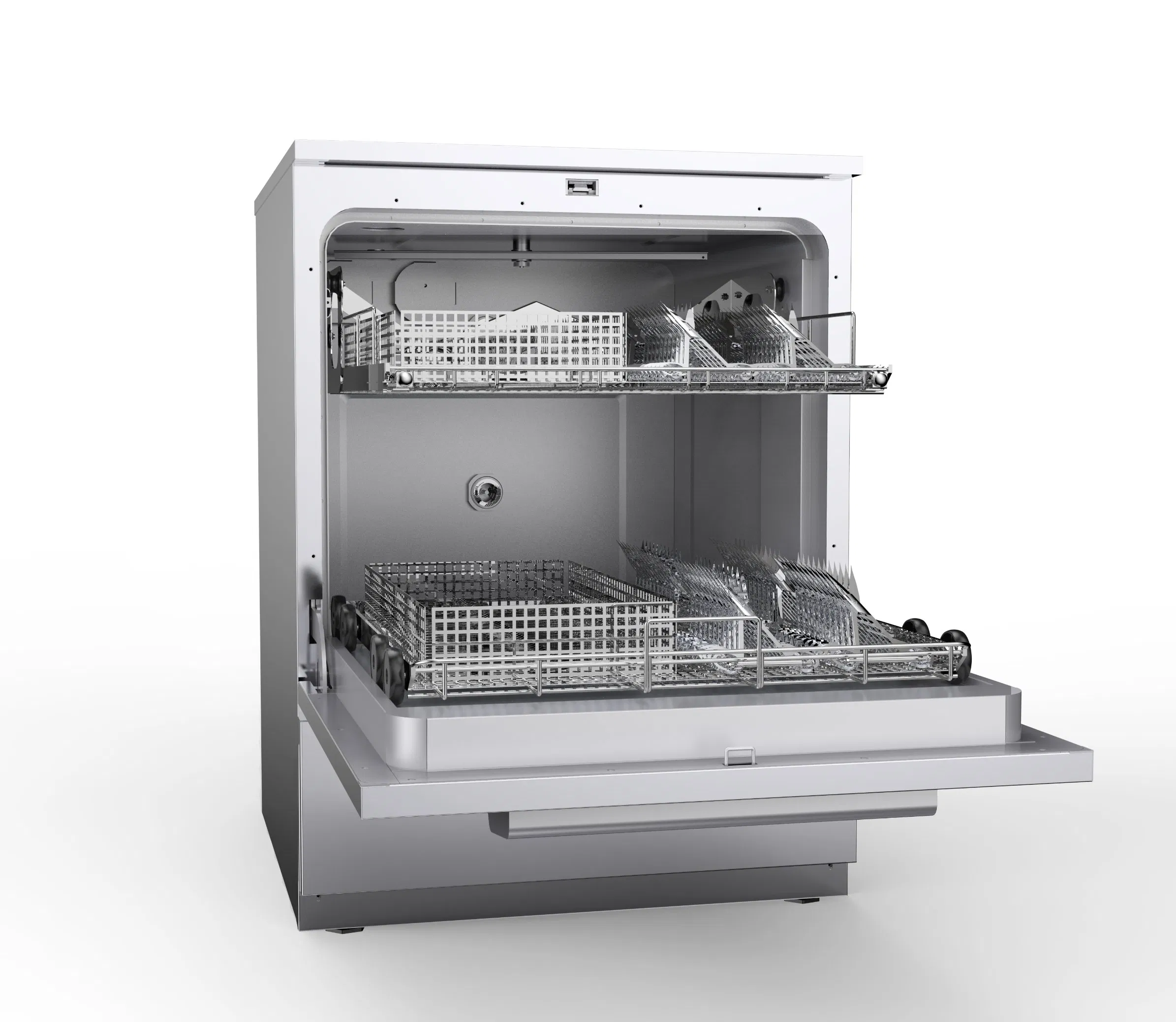
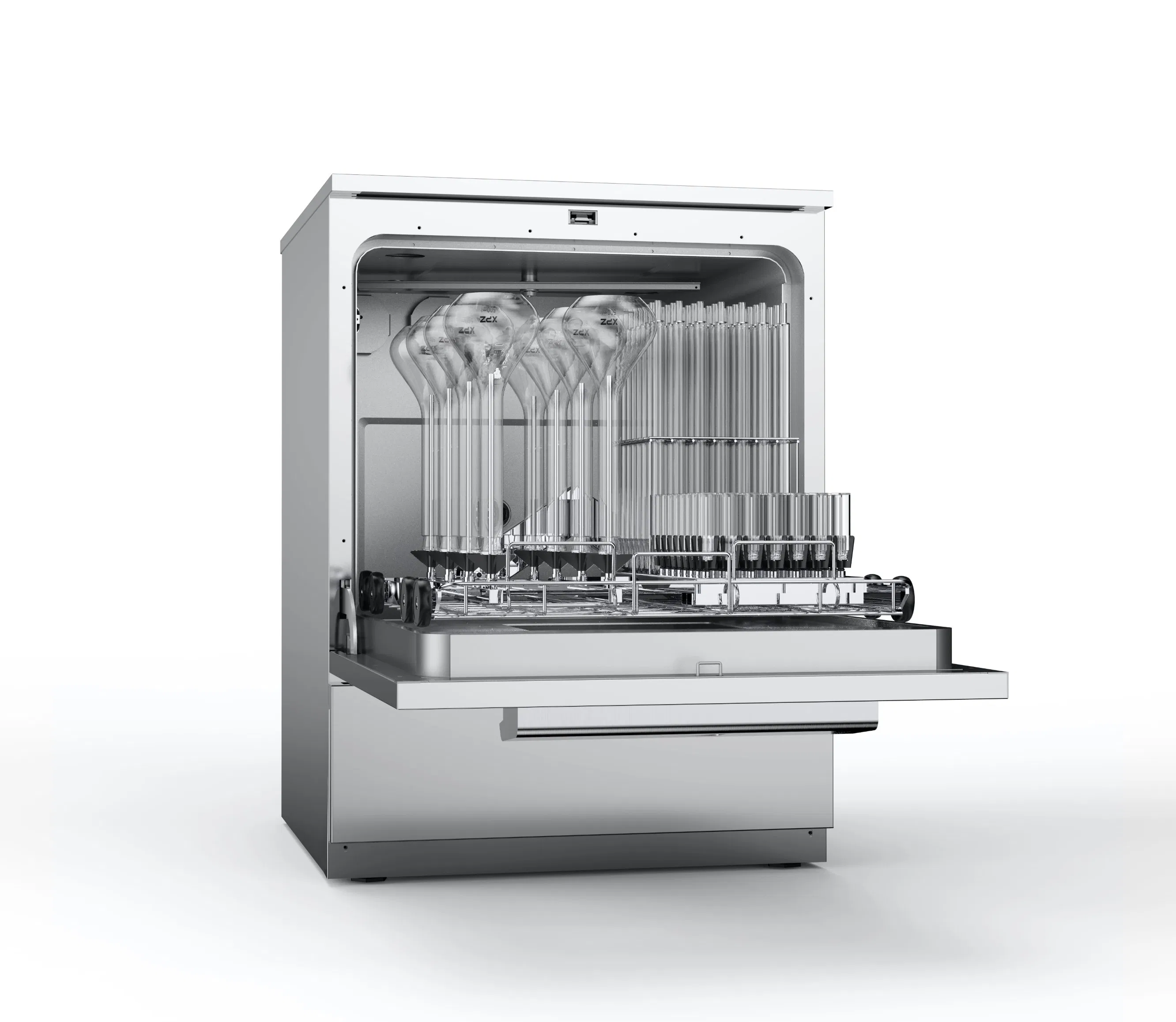
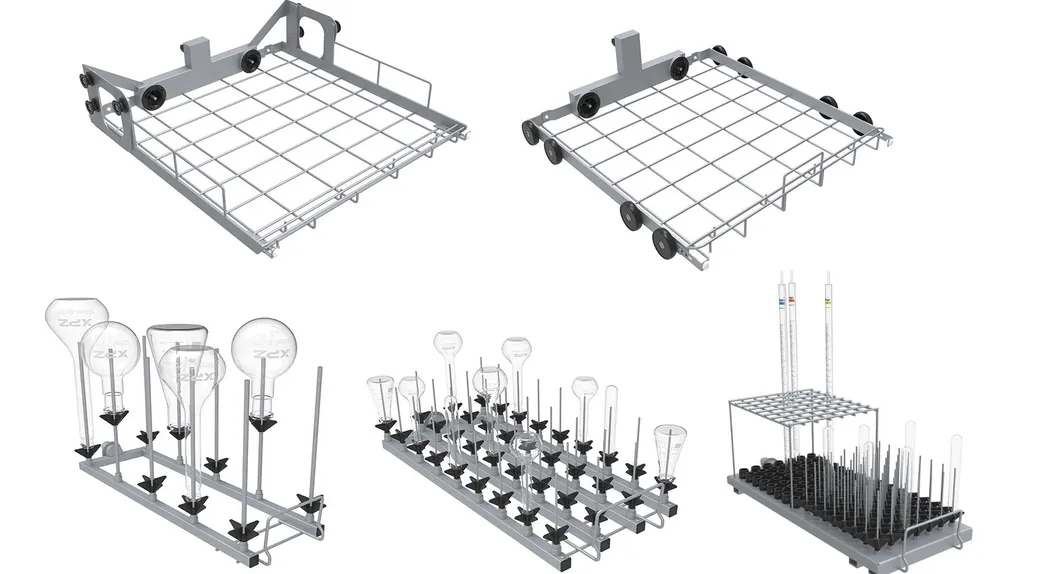
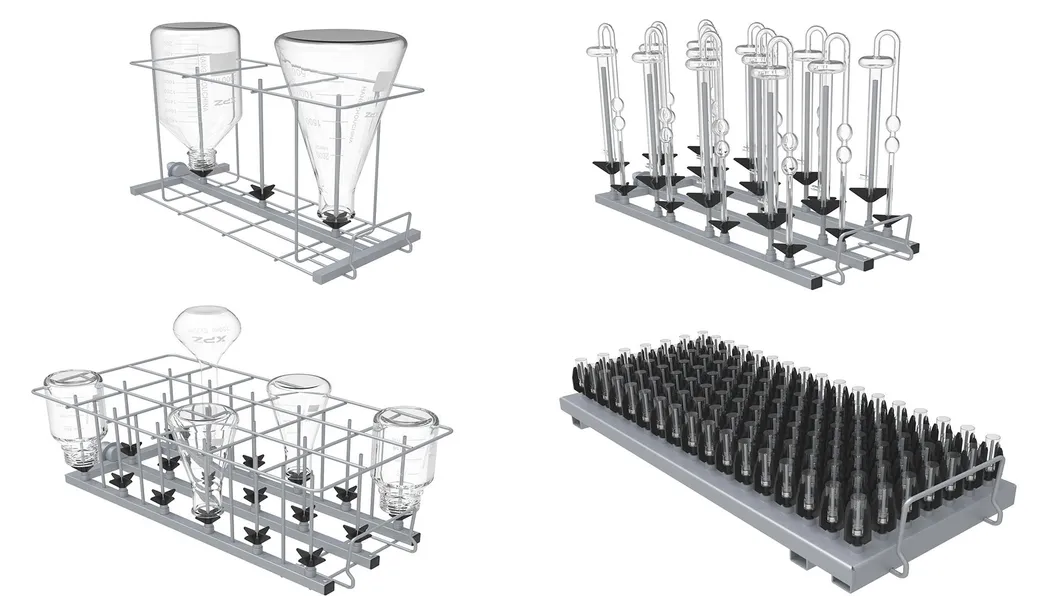
Featuring independent cleaning modules, up to 4 modules can be placed during each cycle. These include injection modules for volumetric flasks, conical flasks, sampling tubes, pipettes, and petri dishes. Users can freely combine modules to achieve comprehensive cleaning for diverse laboratory utensils.
High Cleanliness Standards
✔ Imported high-efficiency circulating pump for stable pressure.
✔ 360° rotary spray arm design with zero dead angle coverage.
✔ Oblique column washing for thorough inner wall cleaning.
✔ Double water temperature control for optimal thermal disinfection.
Standardized Benefits
★ Uniform results by reducing human operation uncertainties.
★ Easy traceability with automatic record saving.
★ Enhanced safety: reduced risk of injury or infection.
★ Cost-efficient: integrated cleaning, disinfection, and drying.
Operation Management & Principle
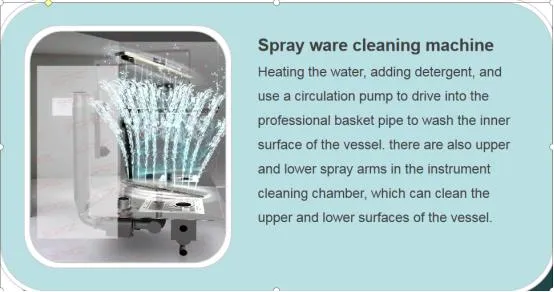
Working Principle: Using tap water and pure water as the medium with specific cleaning agents, the circulation pump drives liquid through rotating spray arms. This process peels off, emulsifies, and decomposes residues through mechanical and chemical action. Selecting models with drying functions allows for hot air drying to prevent secondary contamination.
Frequently Asked Questions
Q1: What types of glassware can be cleaned with this washer?
The system is designed for Erlenmeyer flasks, volumetric flasks, pipettes, injection vials, petri dishes, and round bottom flasks across fields like pharma, food monitoring, and environmental testing.
Q2: How does the modular cleaning system work?
It uses independent, interchangeable modules. You can combine different modules (e.g., injection modules for flasks and pipettes) in a single cycle to maximize cleaning space and efficiency.
Q3: Is the drying function automatic?
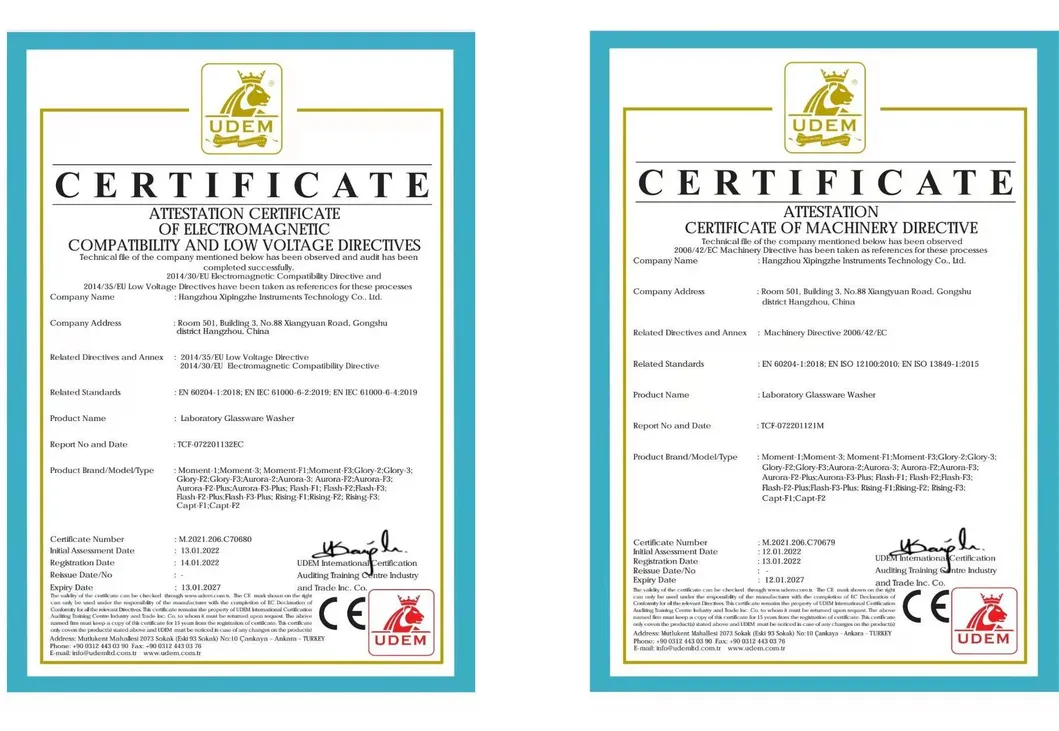
Yes, models equipped with the drying function (such as the Glory-F2) automatically initiate a hot air drying cycle after washing to ensure utensils are free from moisture and secondary contamination.
Q4: Can the machine store cleaning data for traceability?
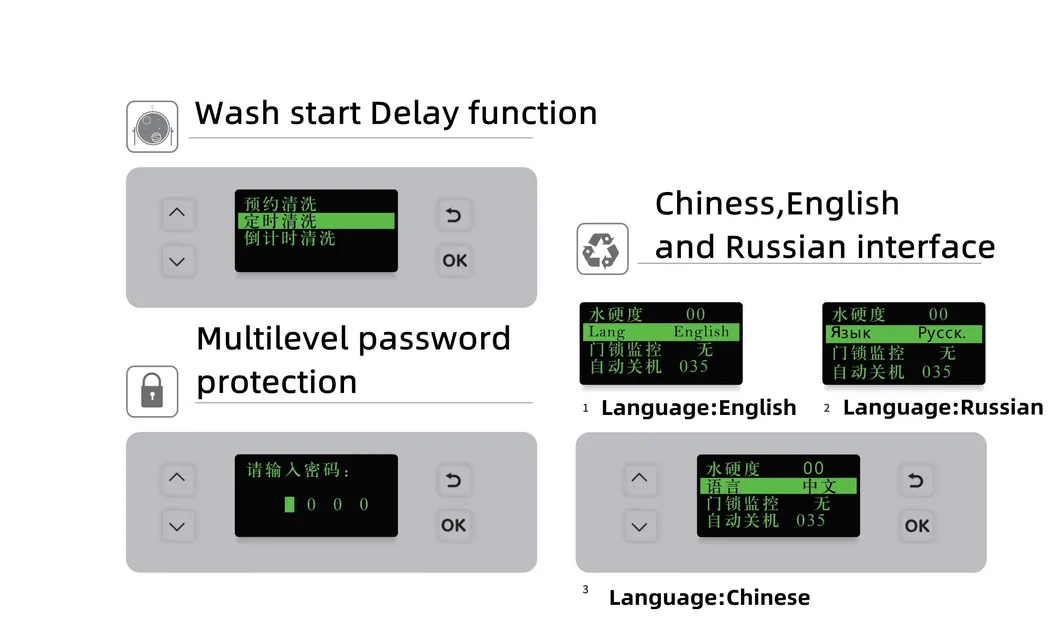
Yes, the machine features automatic data storage and offers optional USB export or micro-printer functions to meet management and regulatory requirements.
Q5: What are the installation requirements?
The washer is designed as an undercounter unit but can also stand separately. It requires a standard power supply (220V/380V) and access to both tap water and pure water sources.
Q6: How is the cleanliness of inner walls guaranteed?
The machine uses a high-pressure circulating pump, 360° rotating spray arms, and specialized nozzles designed using fluid mechanics to ensure every surface of the vessel is thoroughly cleaned.
 Medvok Medical