Medvok Medical
1 / 5
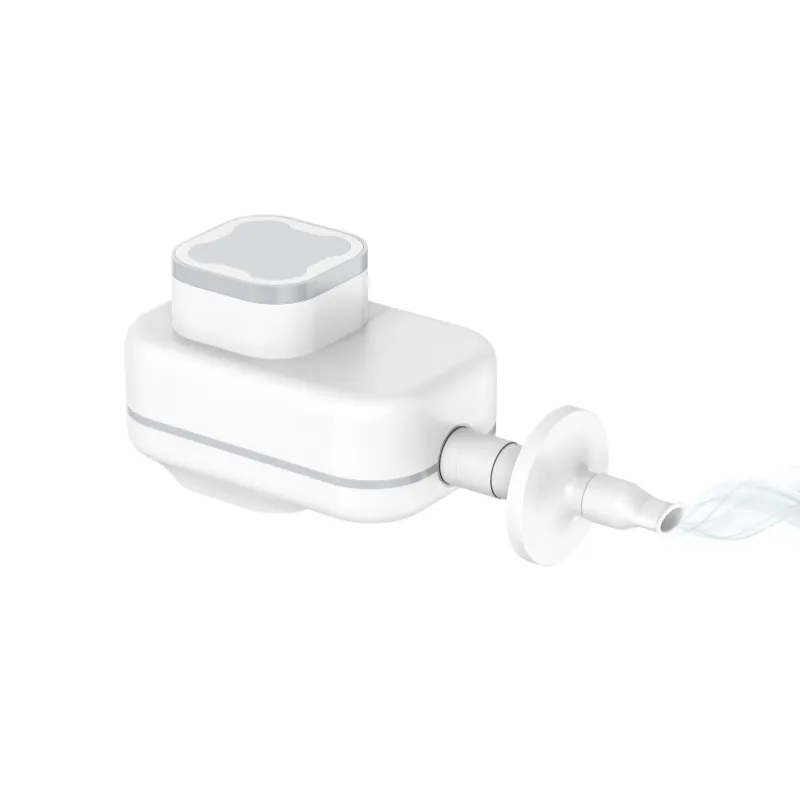
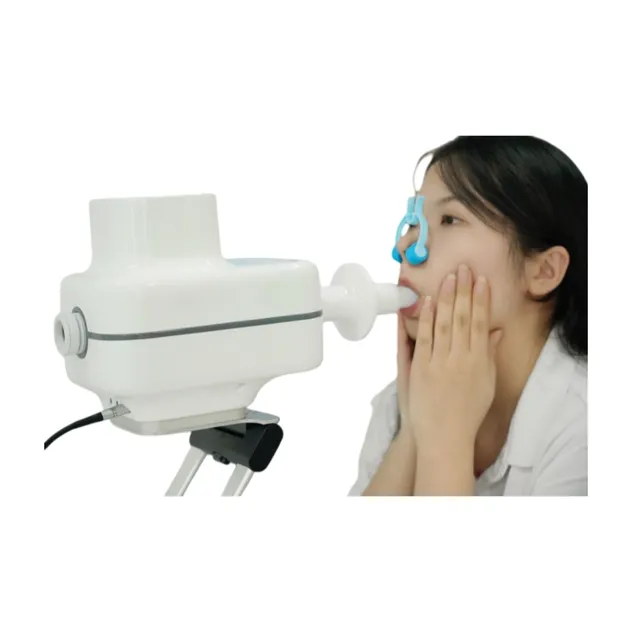
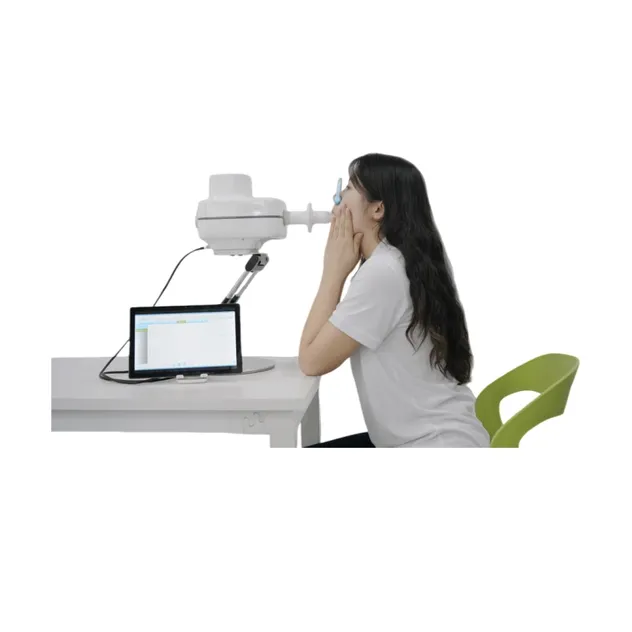
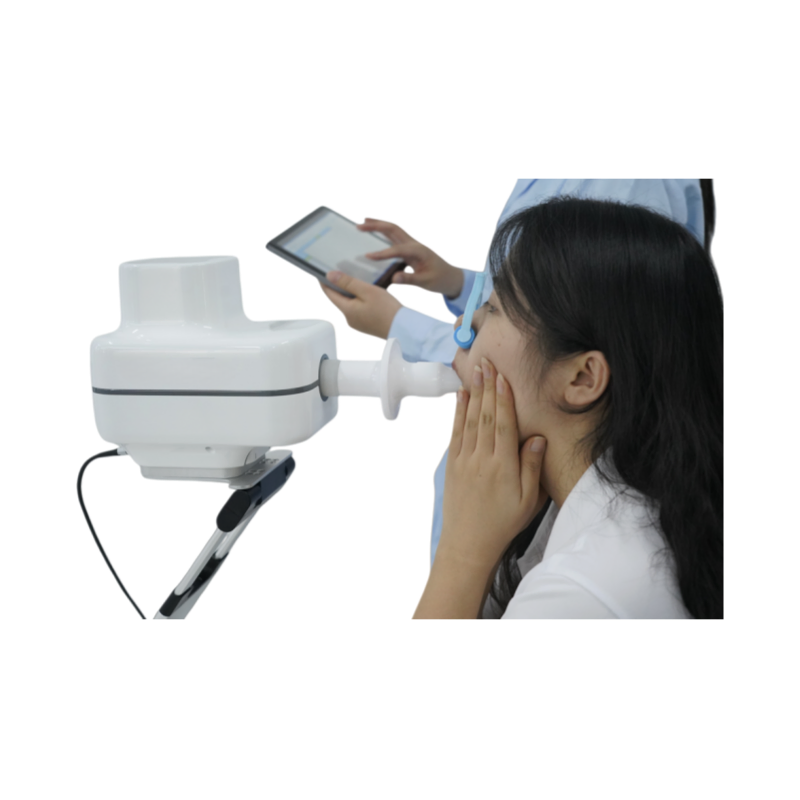
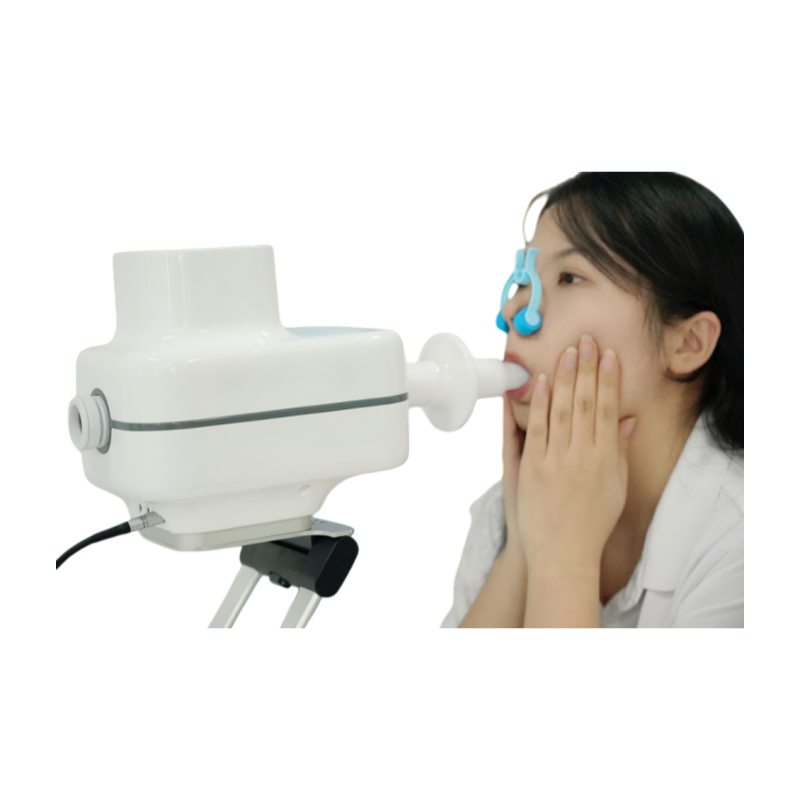
Impulse Oscillometry (IOS) represents a new concept in pulmonary function measurement. By applying different oscillation frequencies (OF), such as 5Hz, 20Hz, and 30Hz, the distribution and magnitude of resistance (R), elastance (E), and inertance (I) within the respiratory organs can be quickly determined from just a few tidal breaths.
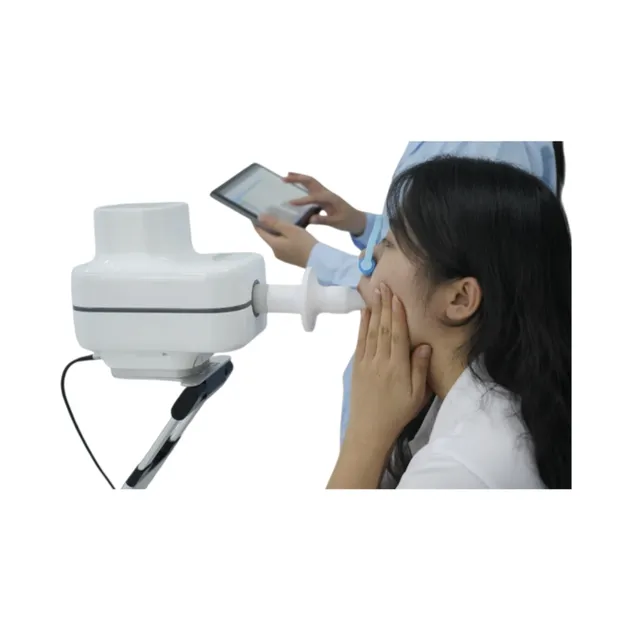
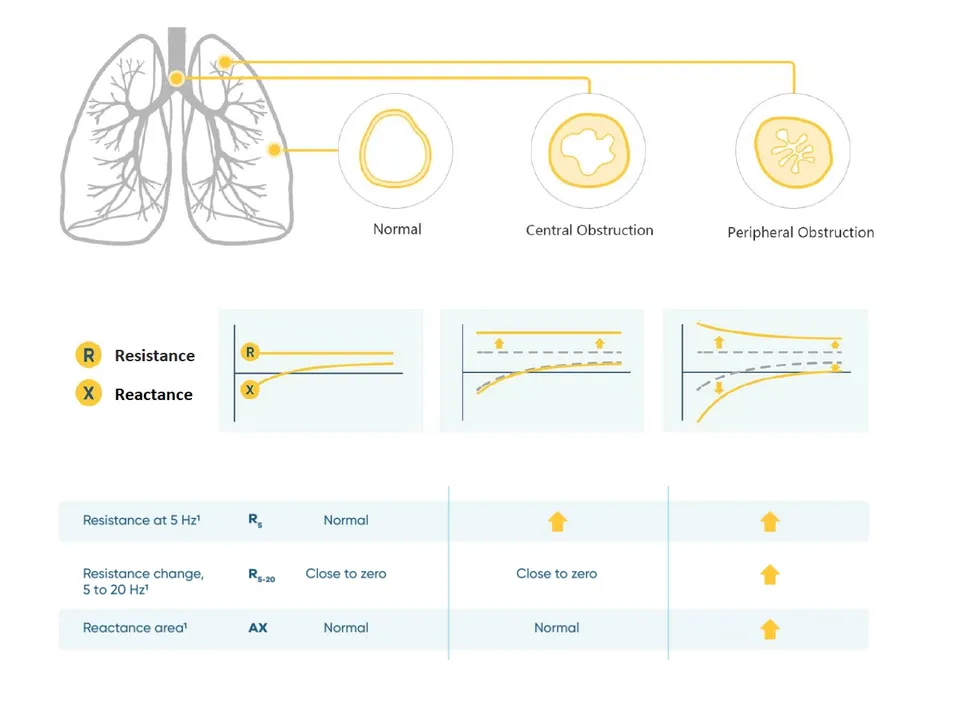
The results are independent of patient cooperation and have excellent repeatability. The entire test is performed during natural breathing, is painless, has no contraindications, and is suitable for elderly, children, and critically ill patients. IOS resistance measurement can distinguish the location (central or peripheral) and severity of an obstruction.
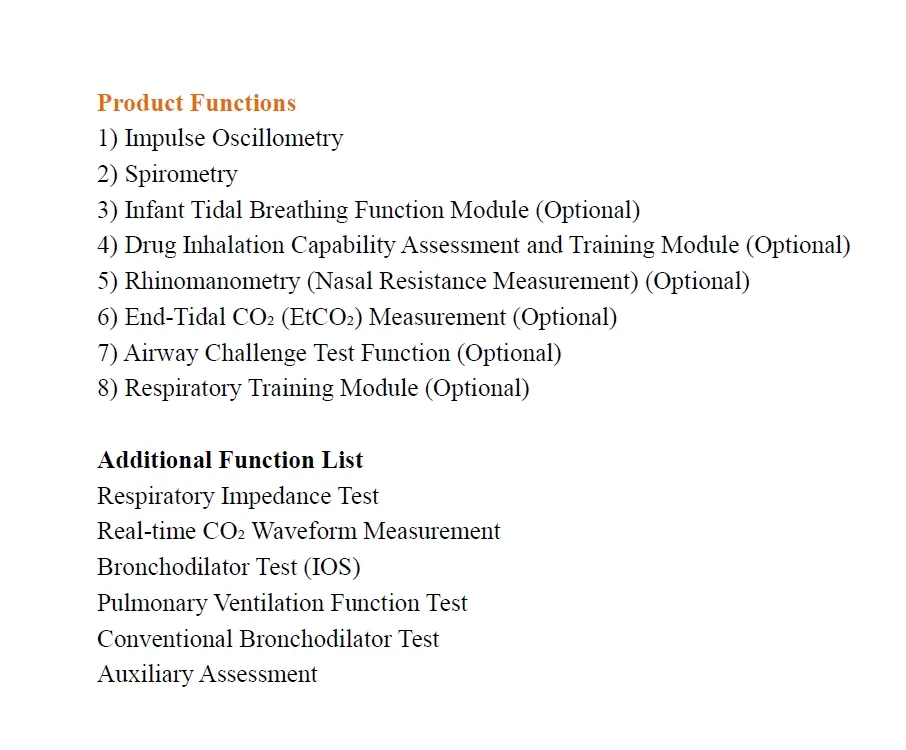
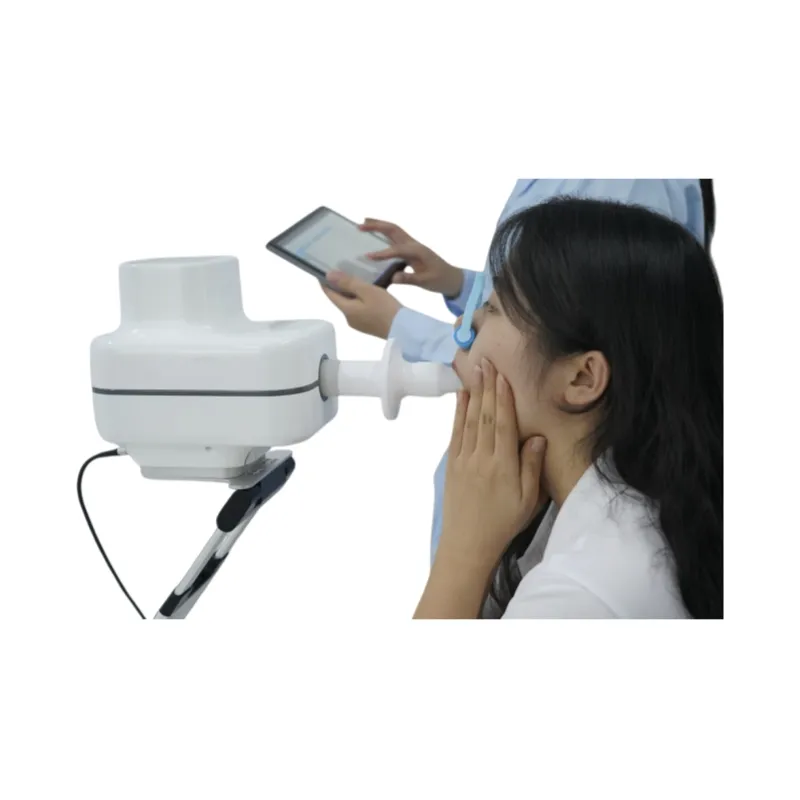
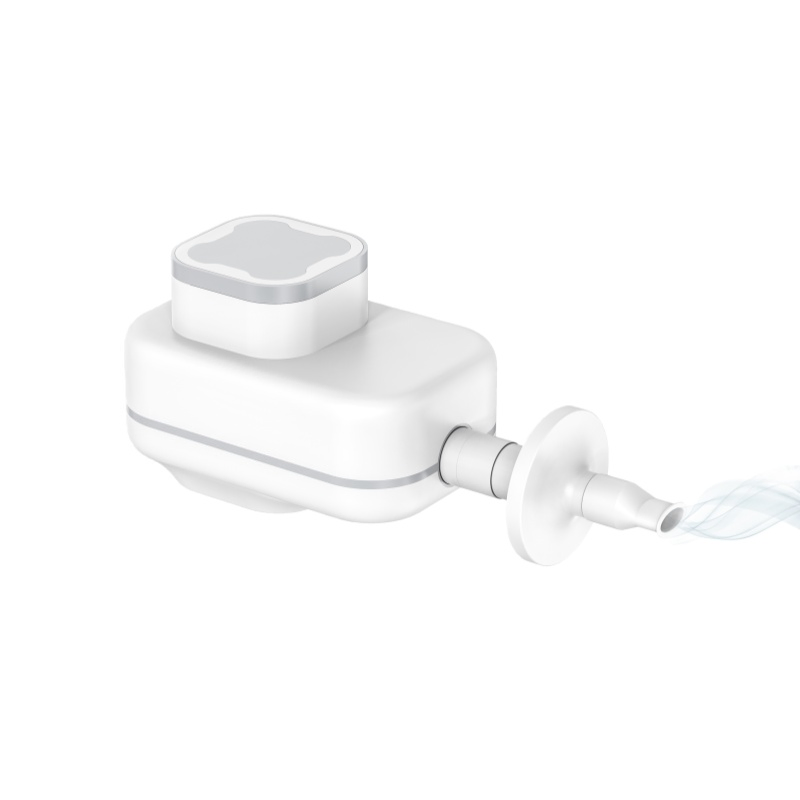
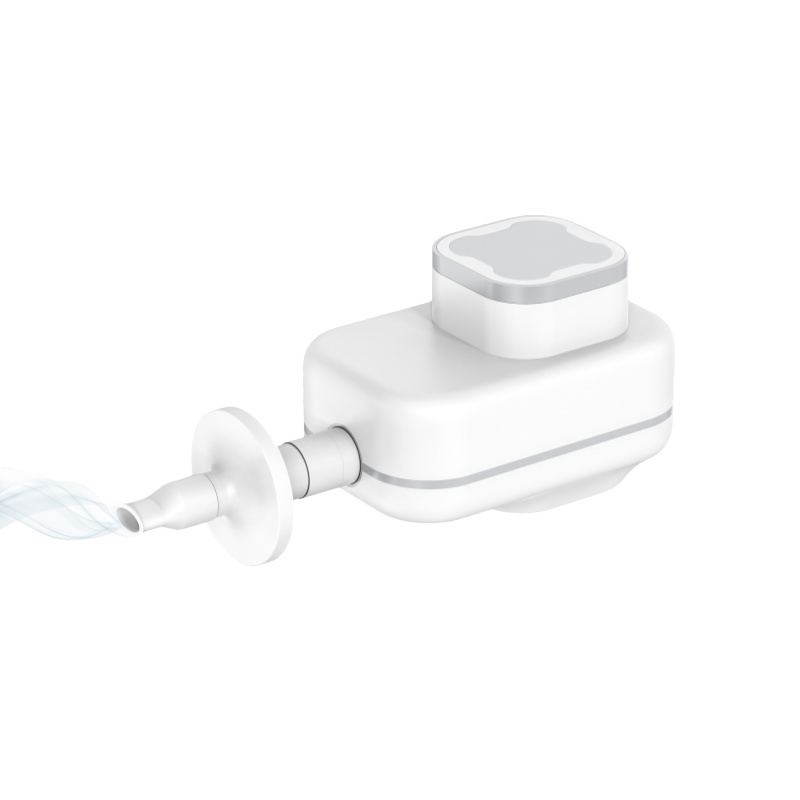
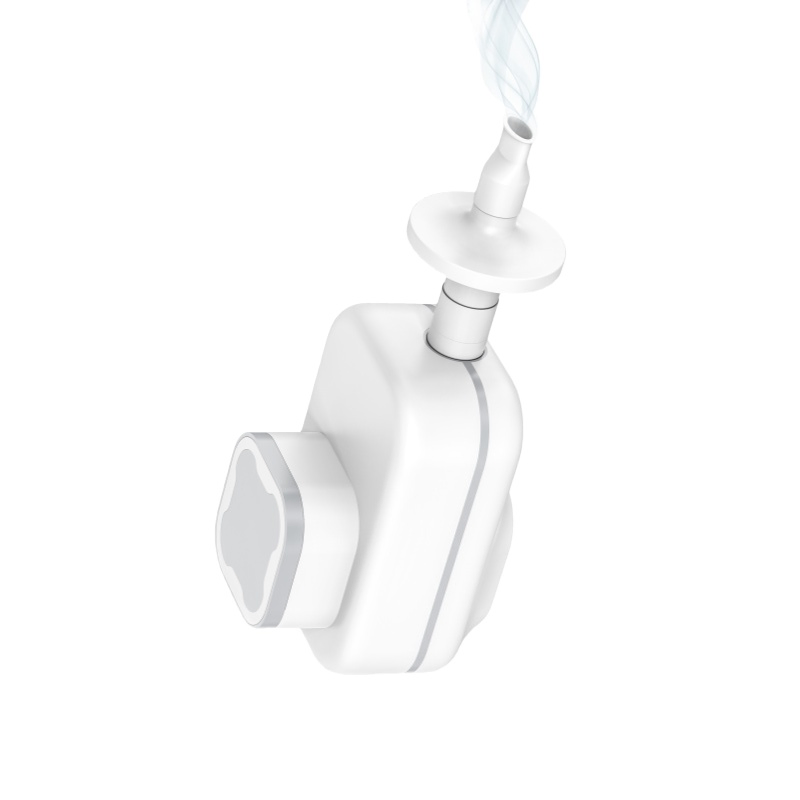
The IOS Impulse Oscillometry system is centered on being non-invasive, precise, and all-age covering. The combination of ultrasonic sensor technology and IOS algorithms achieves screening and diagnosis for patients of all ages and empowers a "diagnosis-treatment-management" closed loop for chronic respiratory diseases through a digital ecosystem.
| Cooperation-free: | No need to perform forced breathing maneuvers; simple to operate. |
| Signal Sources: | Can be changed as needed for clinical and research purposes. |
| Assessment: | Precisely measures key parameters such as R5, R20, X5, etc. |
| Sensitivity: | Early detection of small airway disease, COPD, and asthma. |
| Portability: | Integrated design, compact and portable standalone or workstation use. |
| Integration: | Nasal resistance and end-tidal CO2 monitoring capability. |
| Efficiency: | Test results obtained within 30s. |